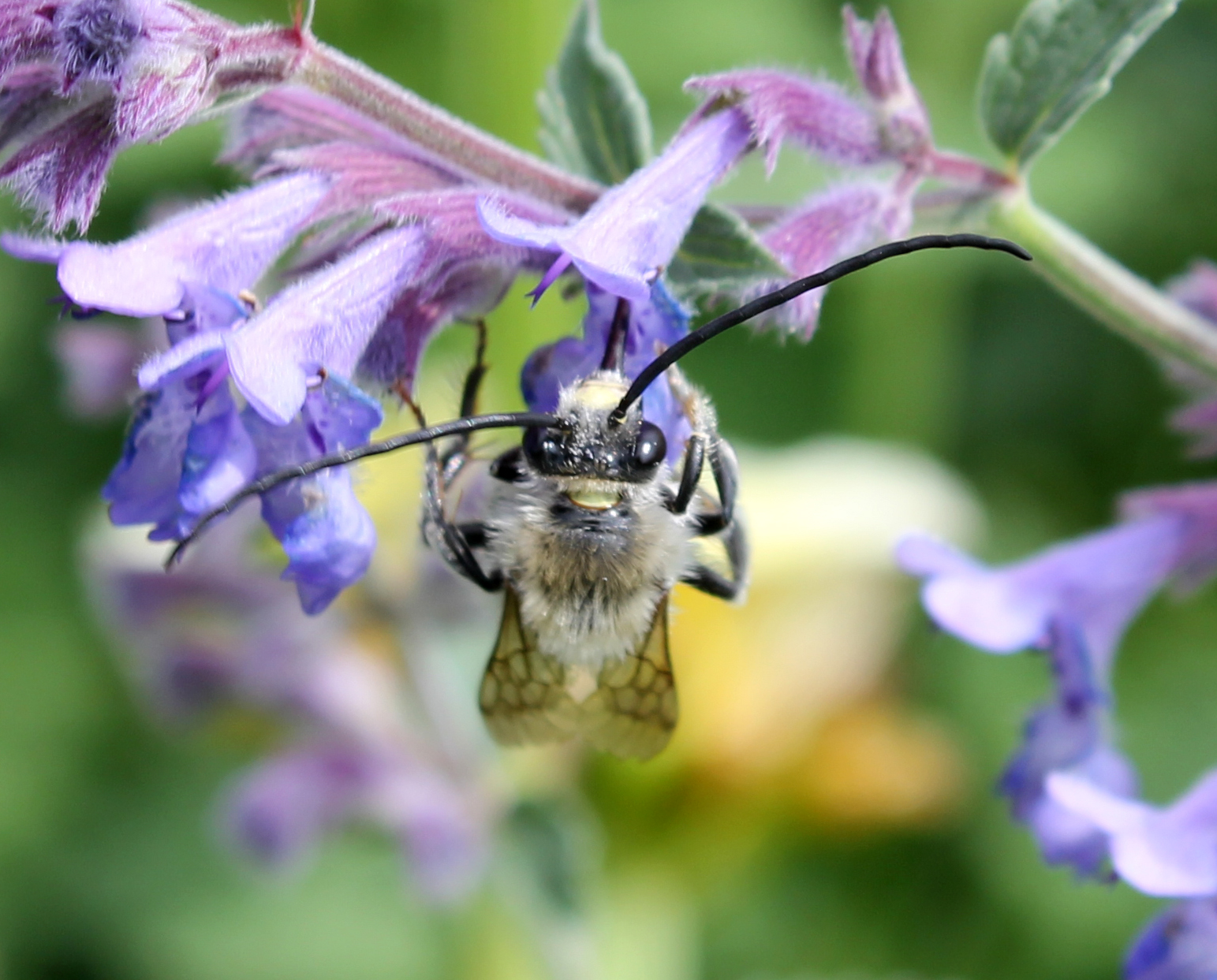
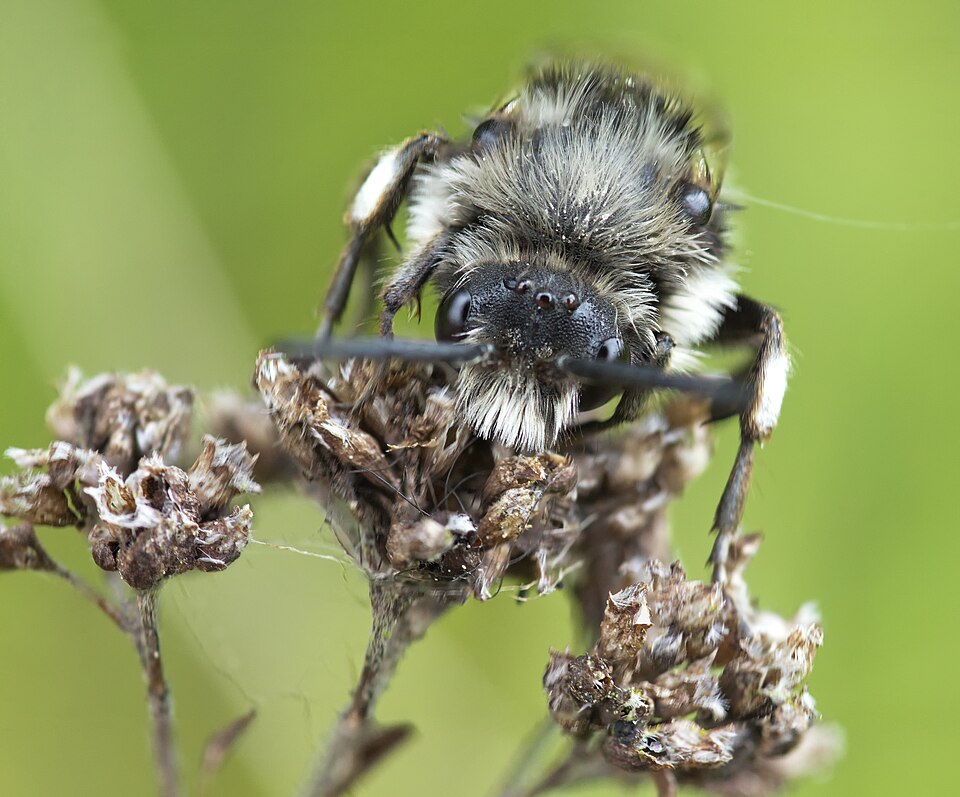
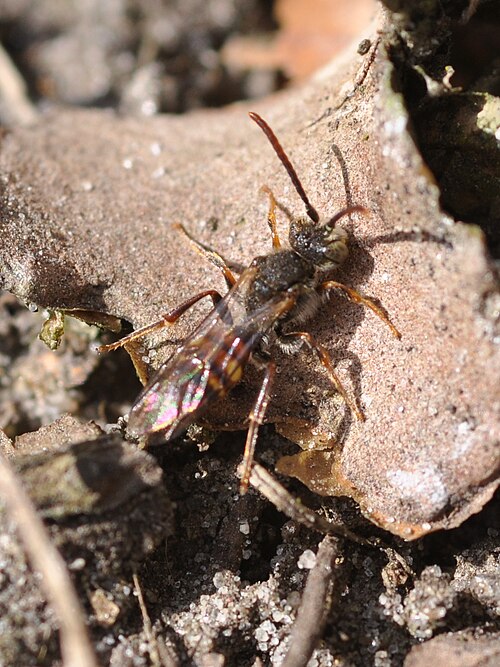
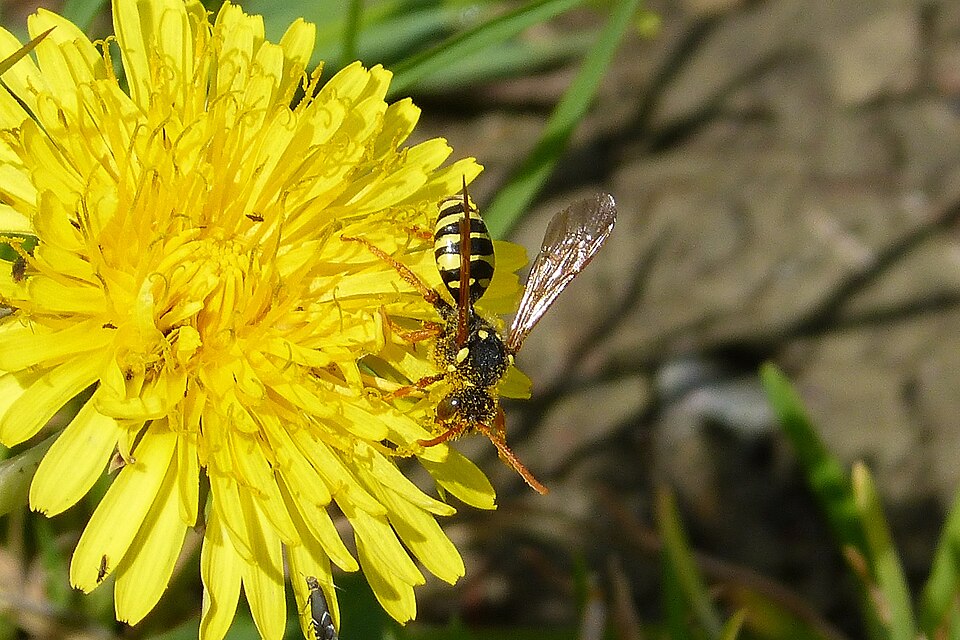
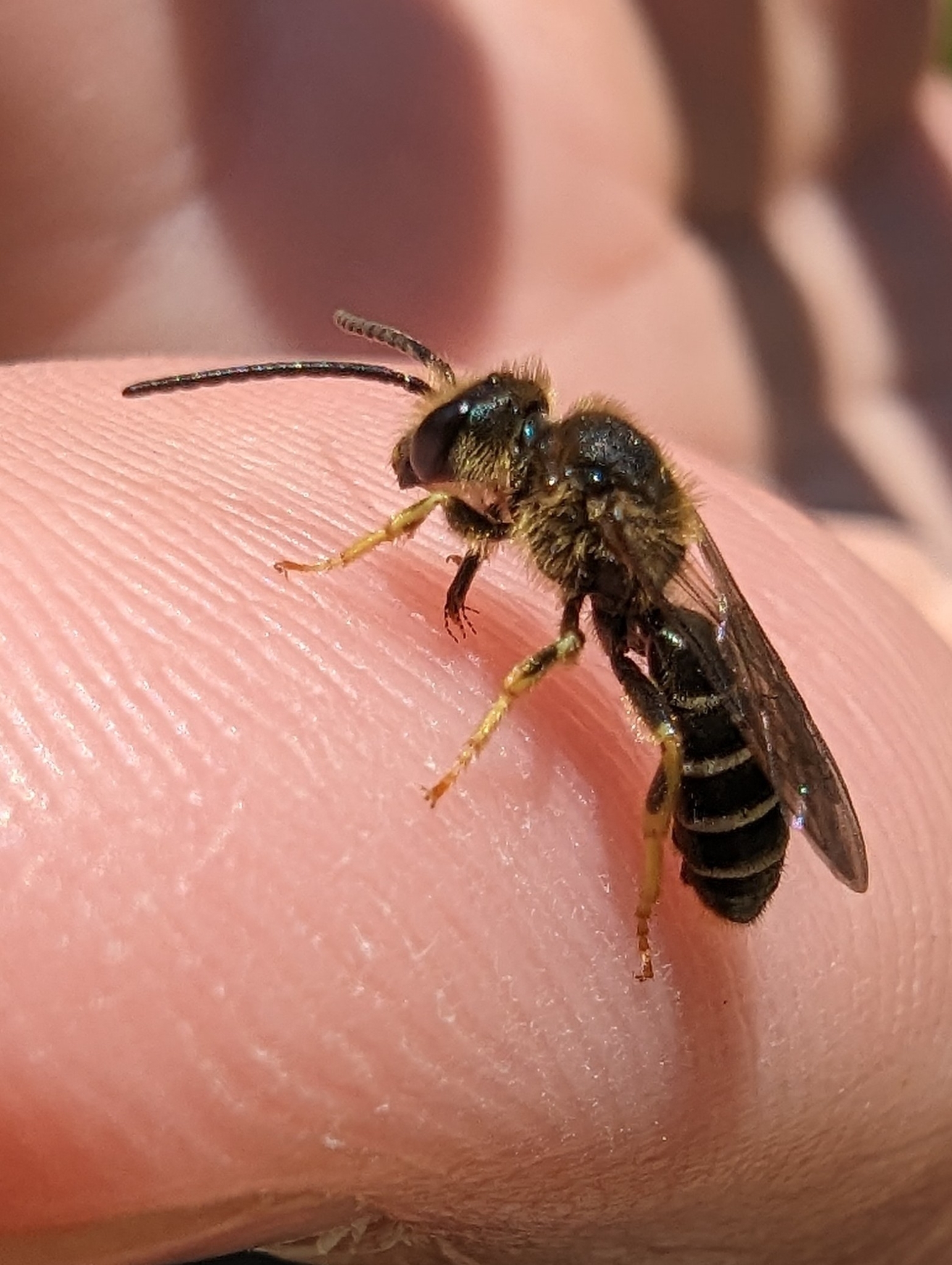
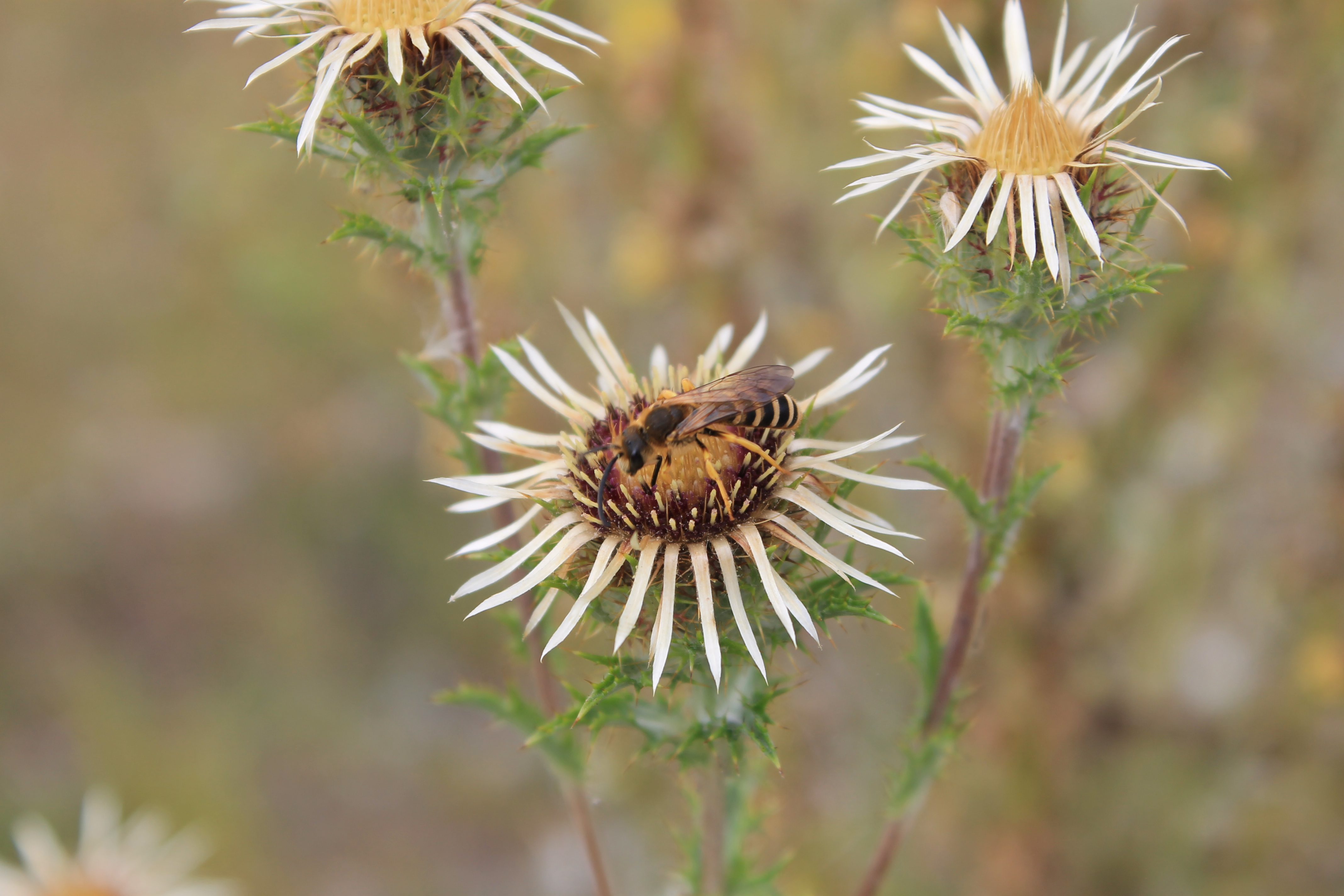
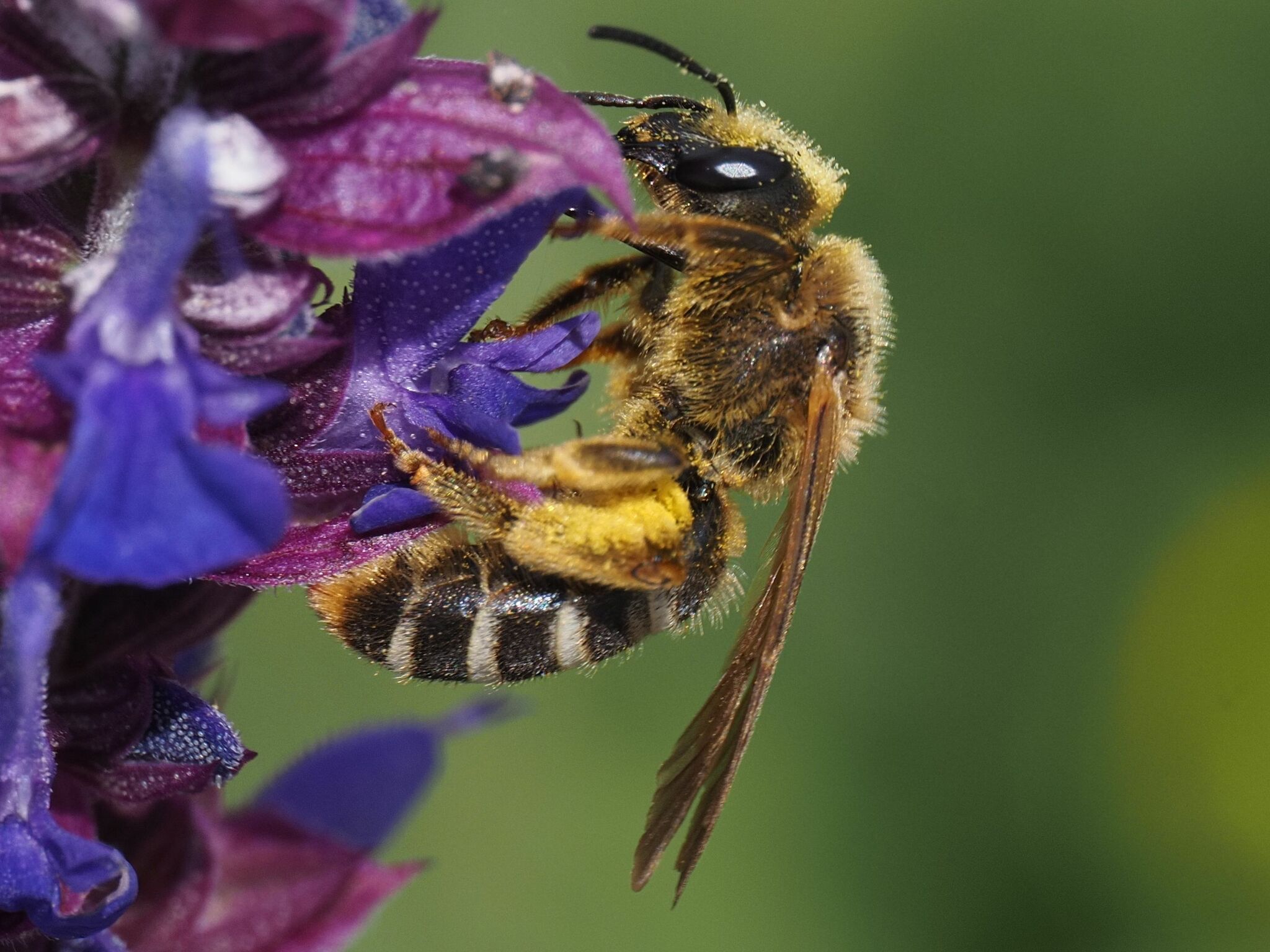
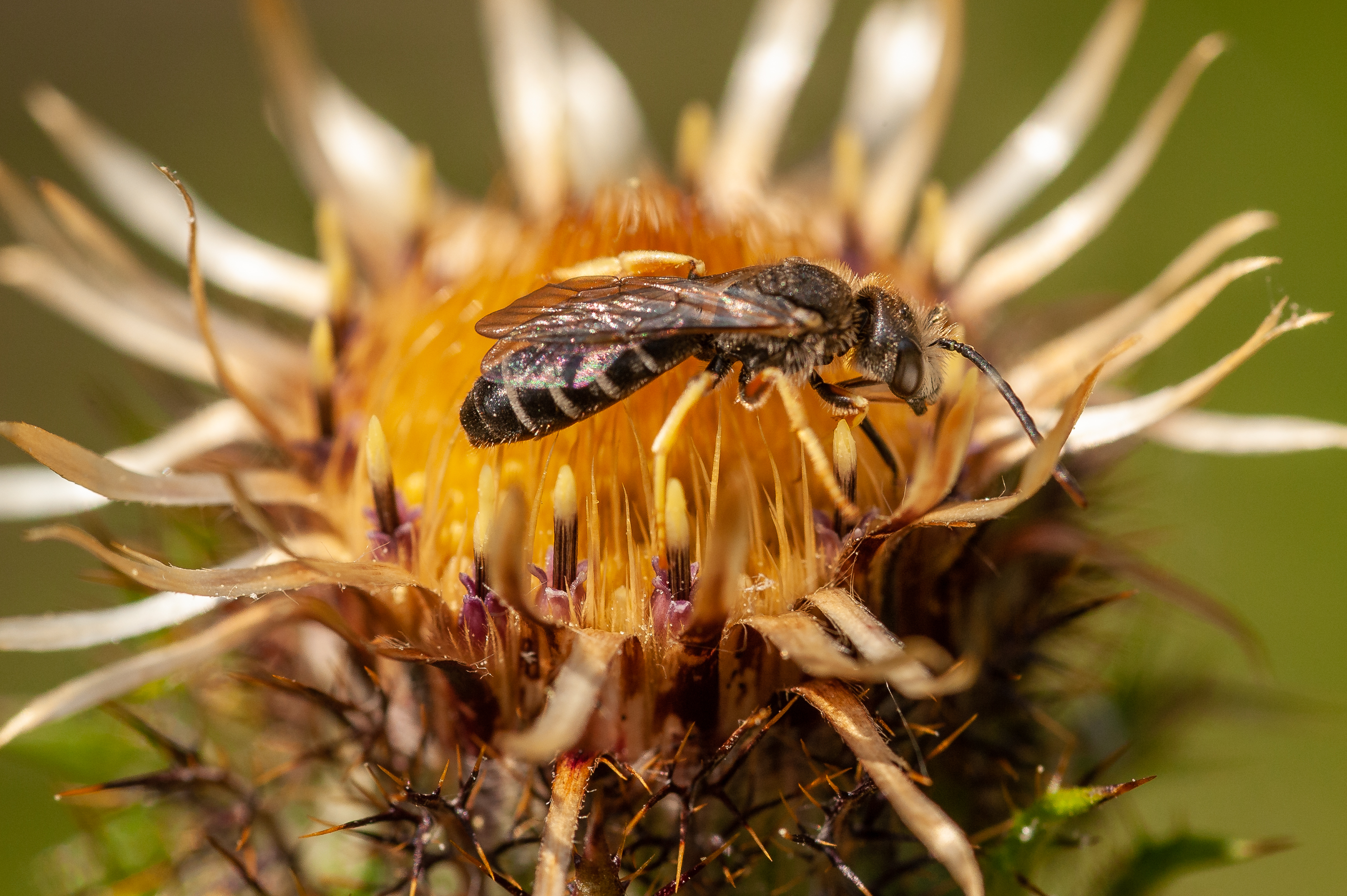
Andrenidae — Mining Bees
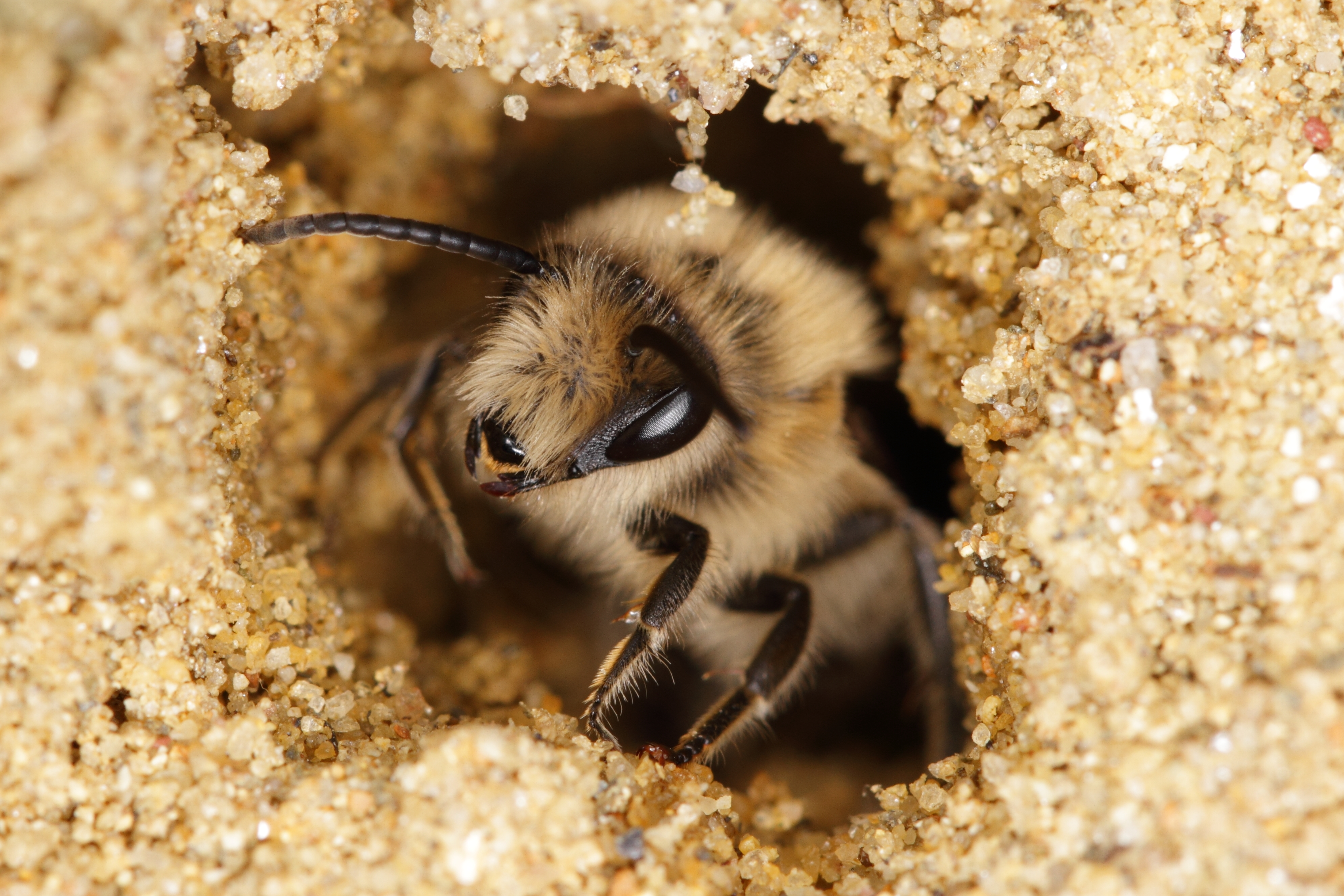
Andrenidae are solitary ground-nesting bees, often called mining bees. Most species dig tunnels in sandy or loose soil, creating small volcano-like mounds at the entrance. They are among the first bees to emerge in spring and are important pollinators of early-blooming trees and shrubs.
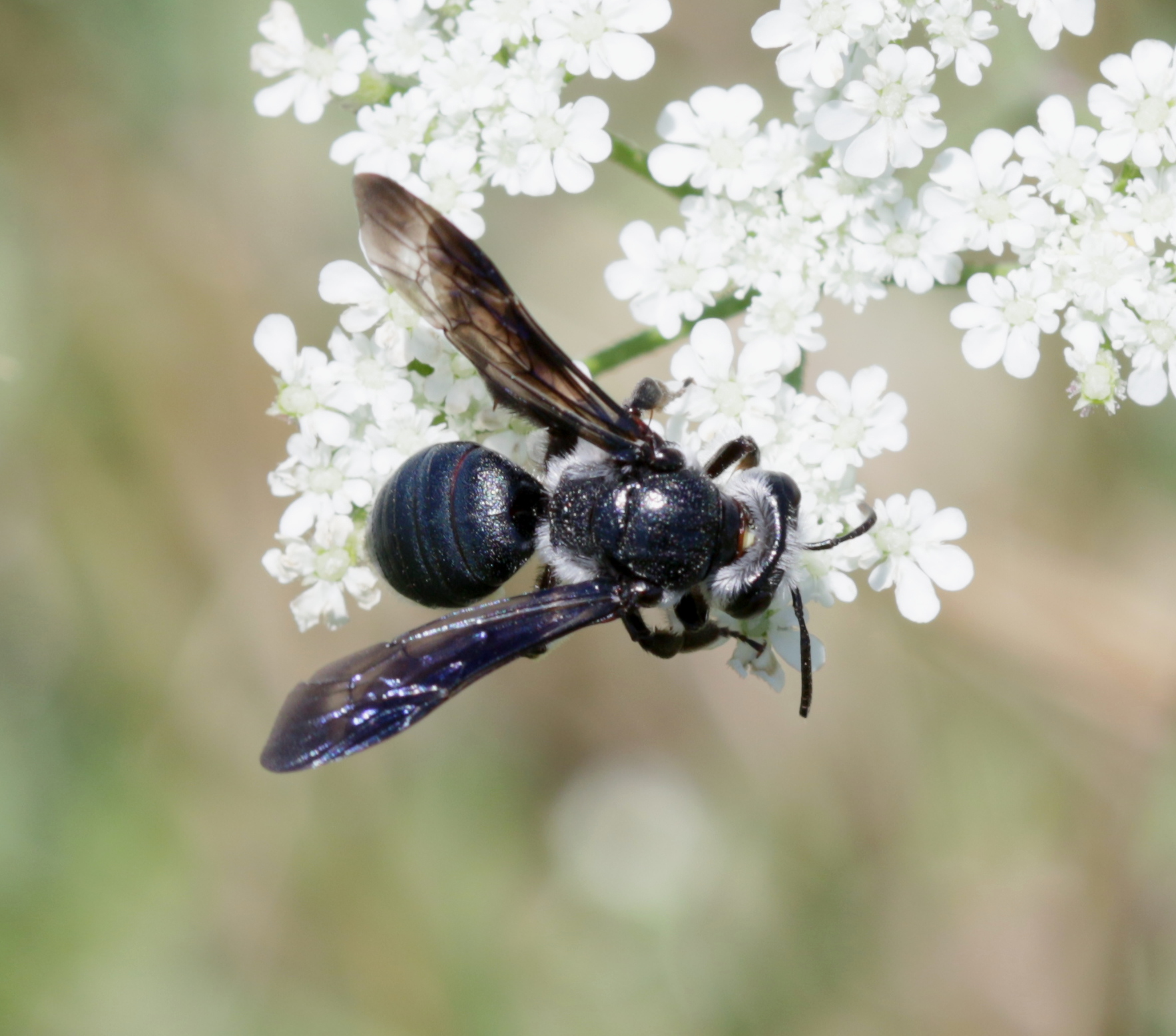
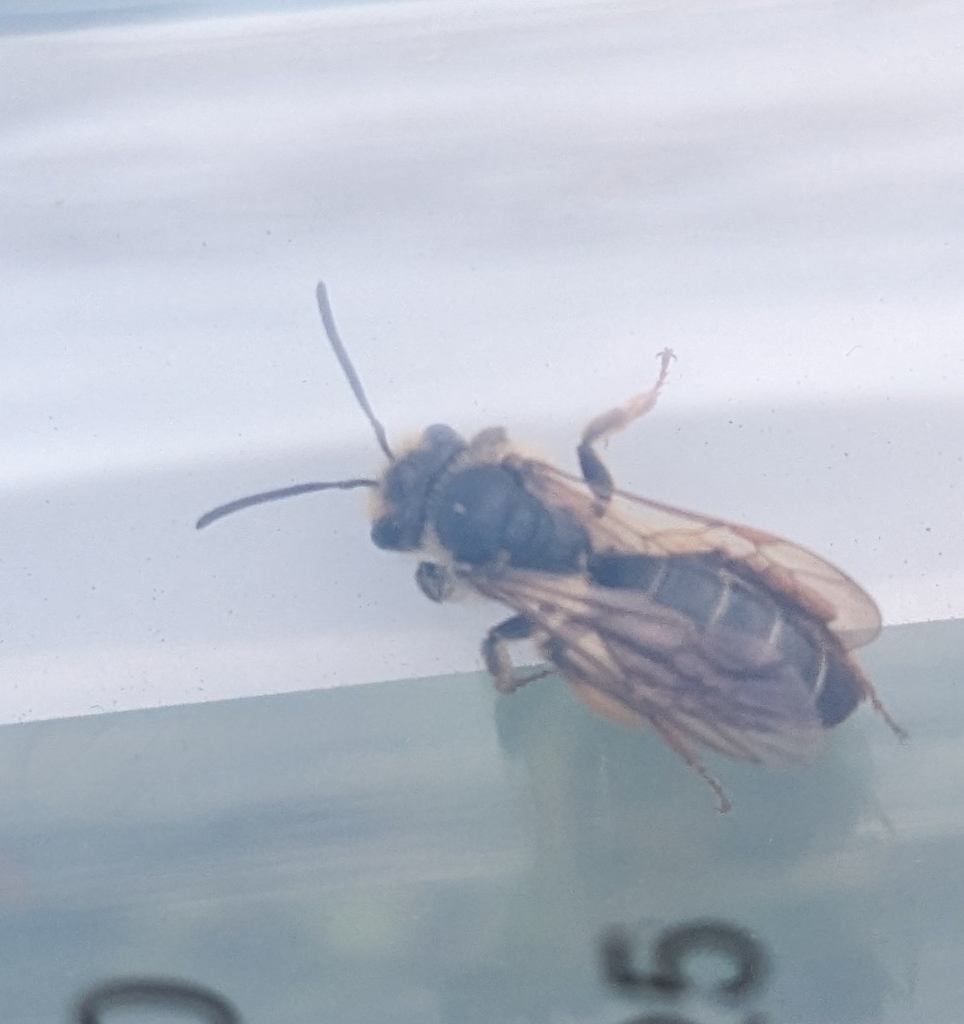
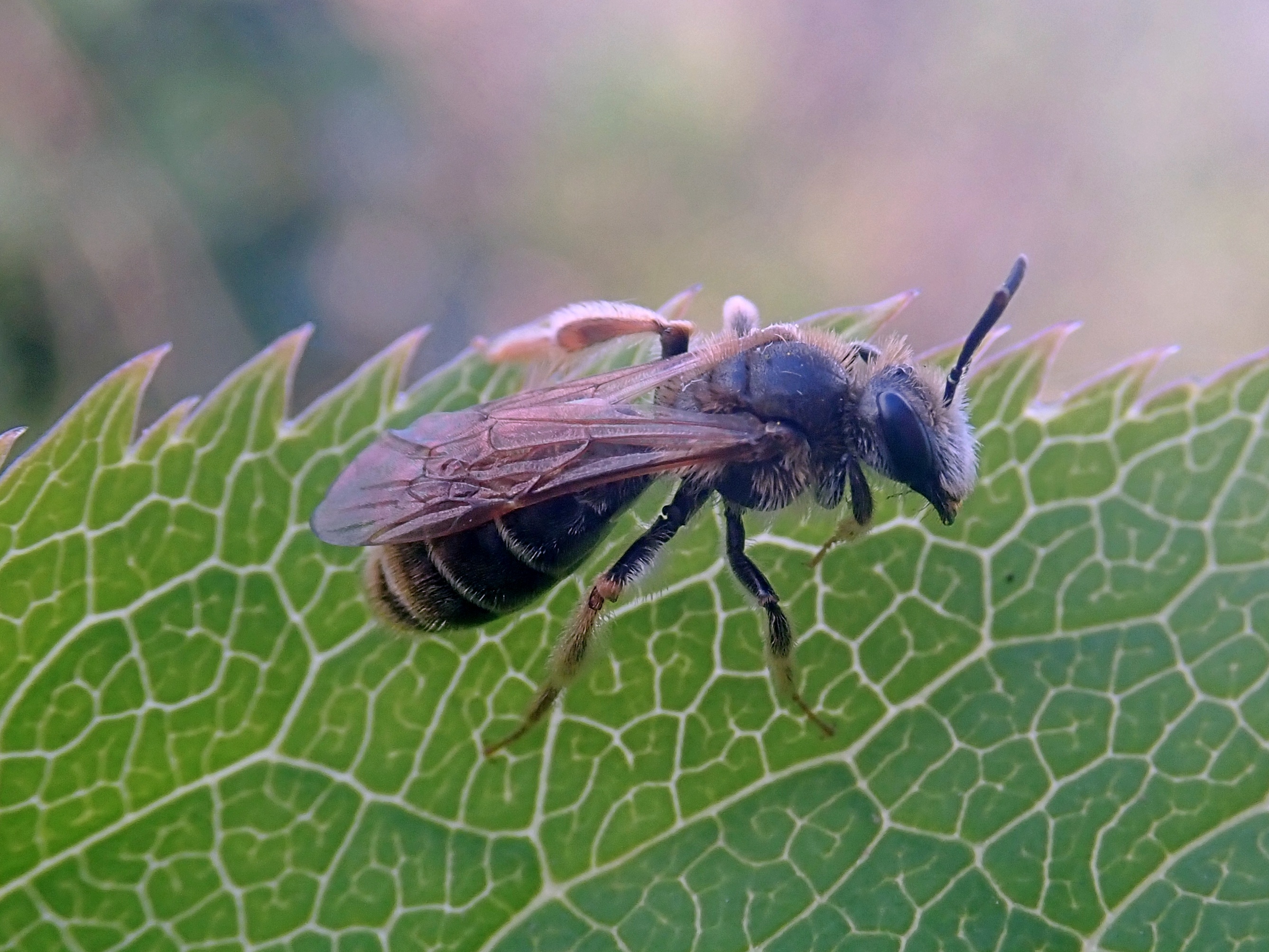
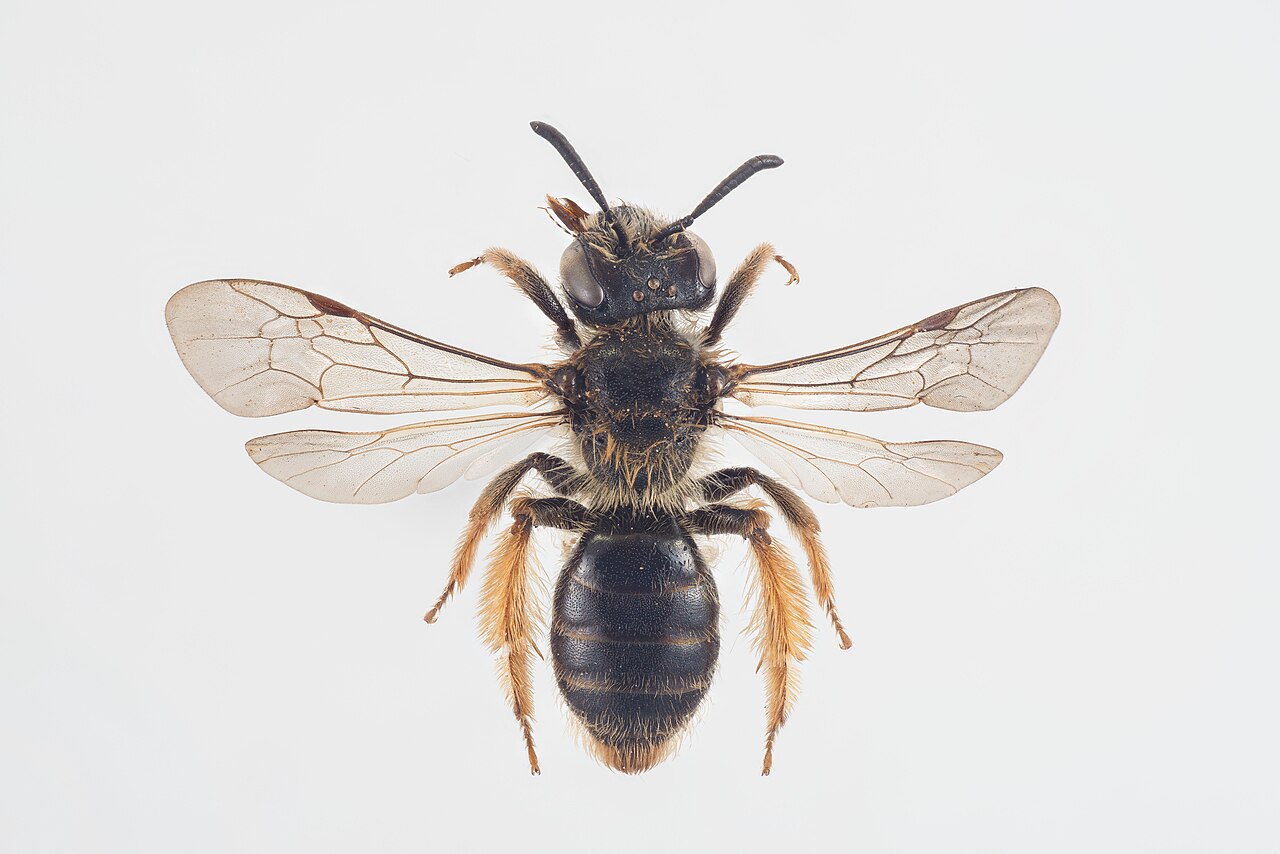
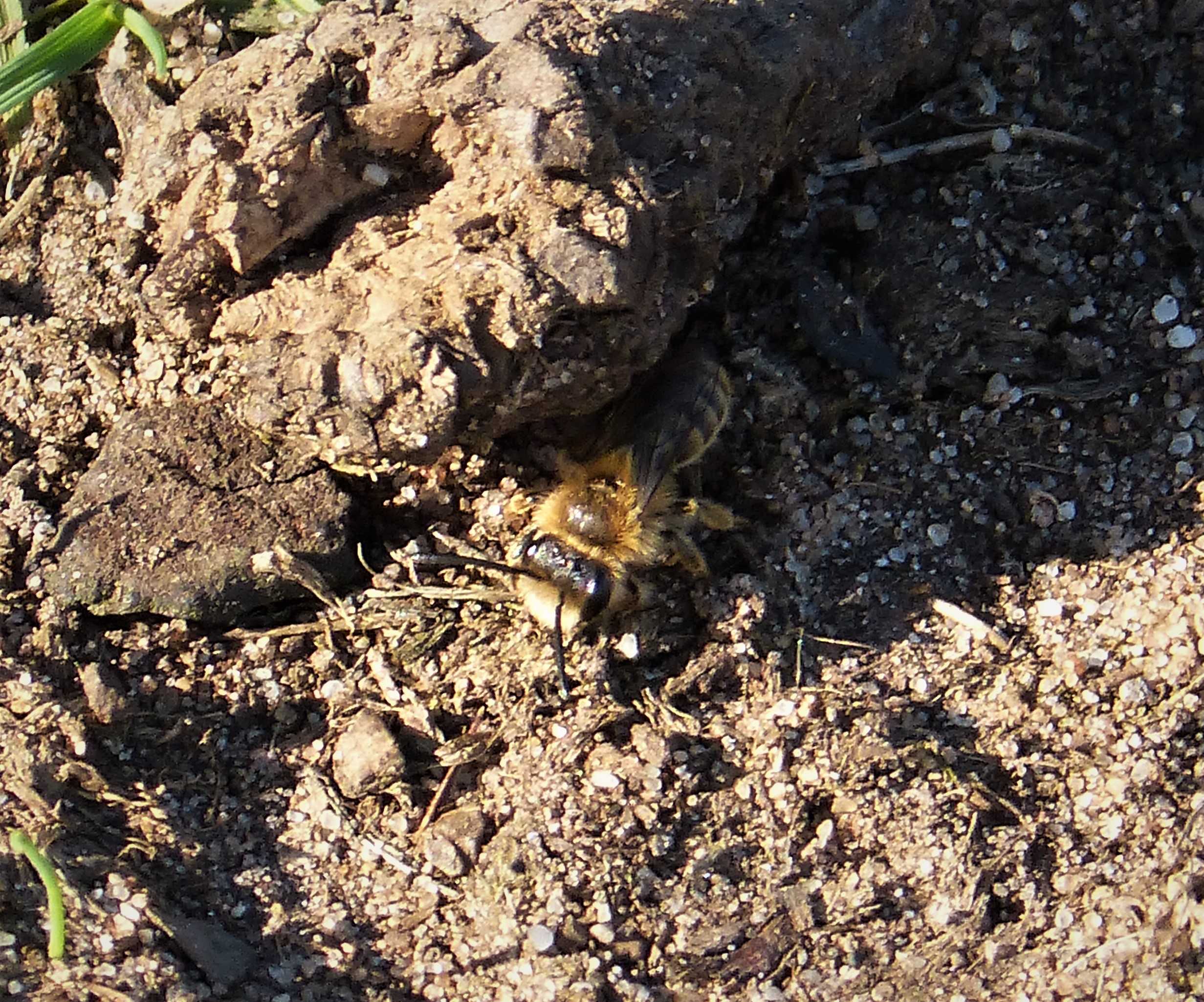
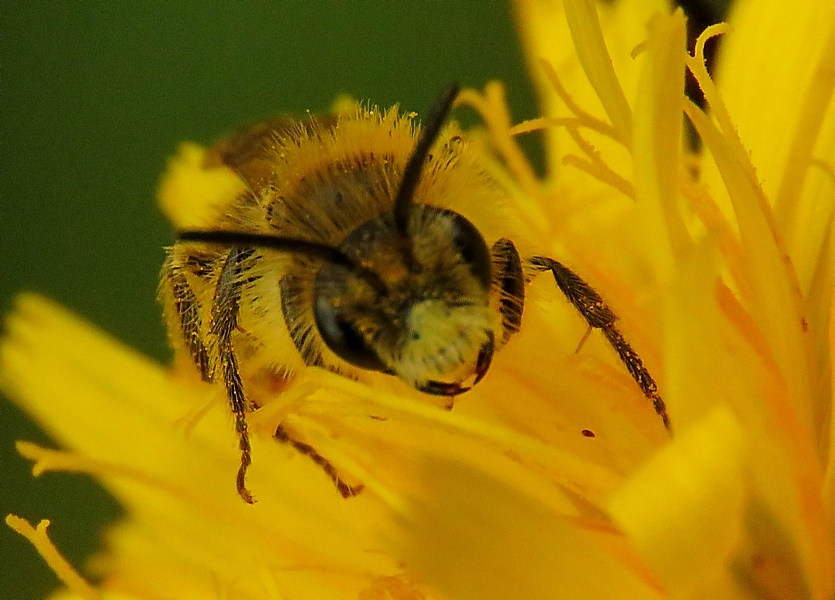
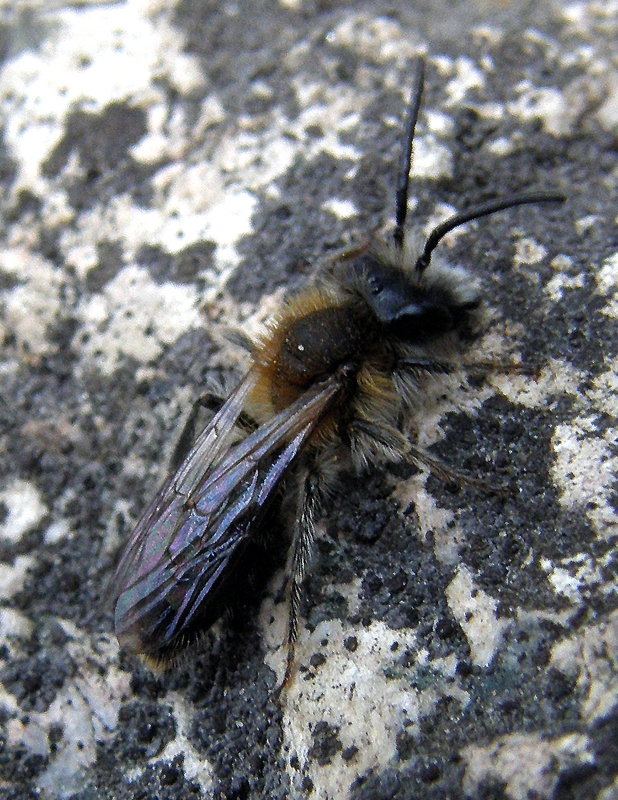
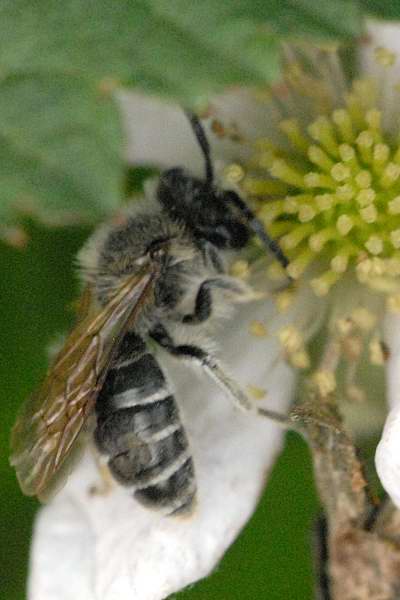
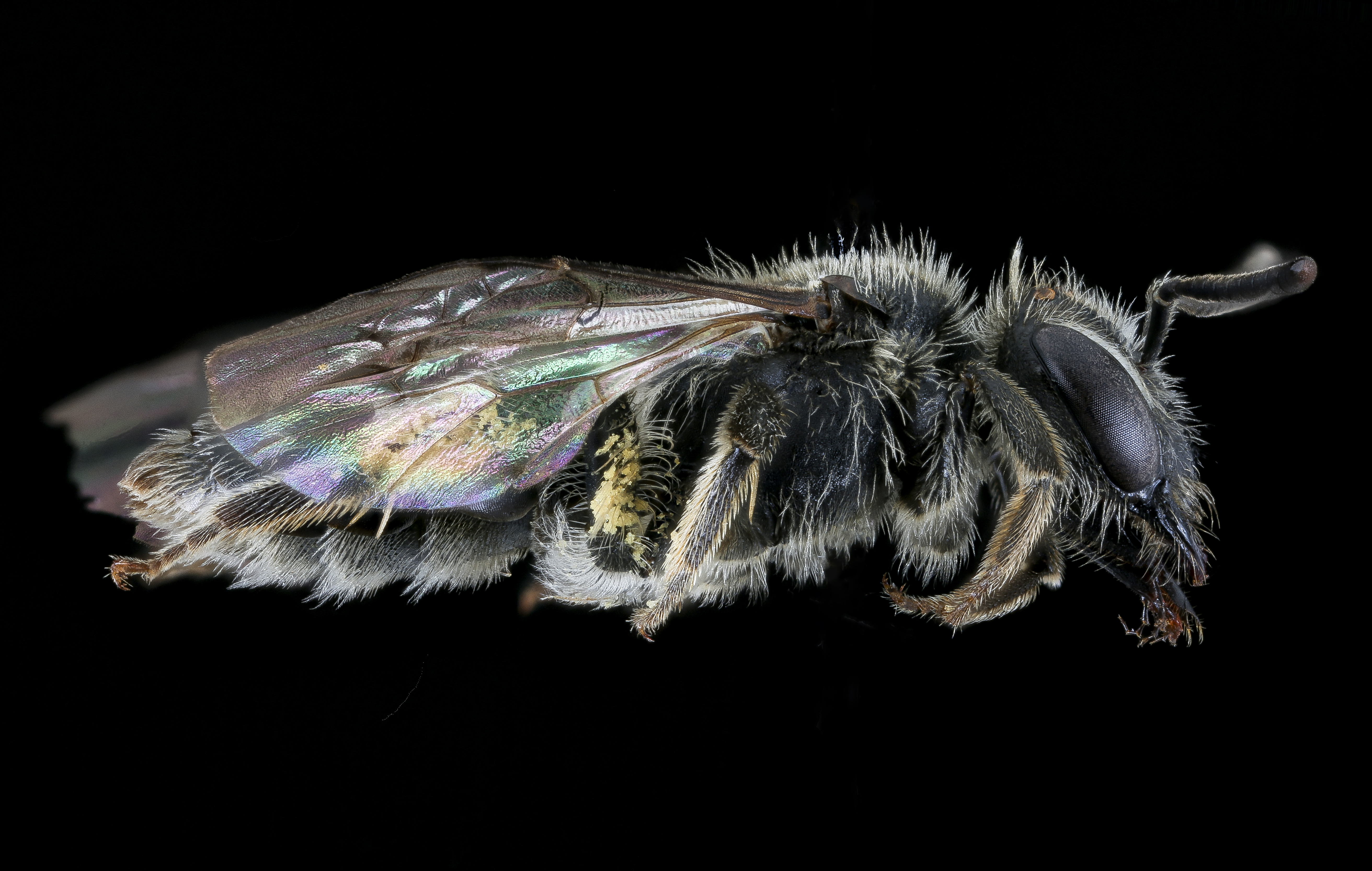
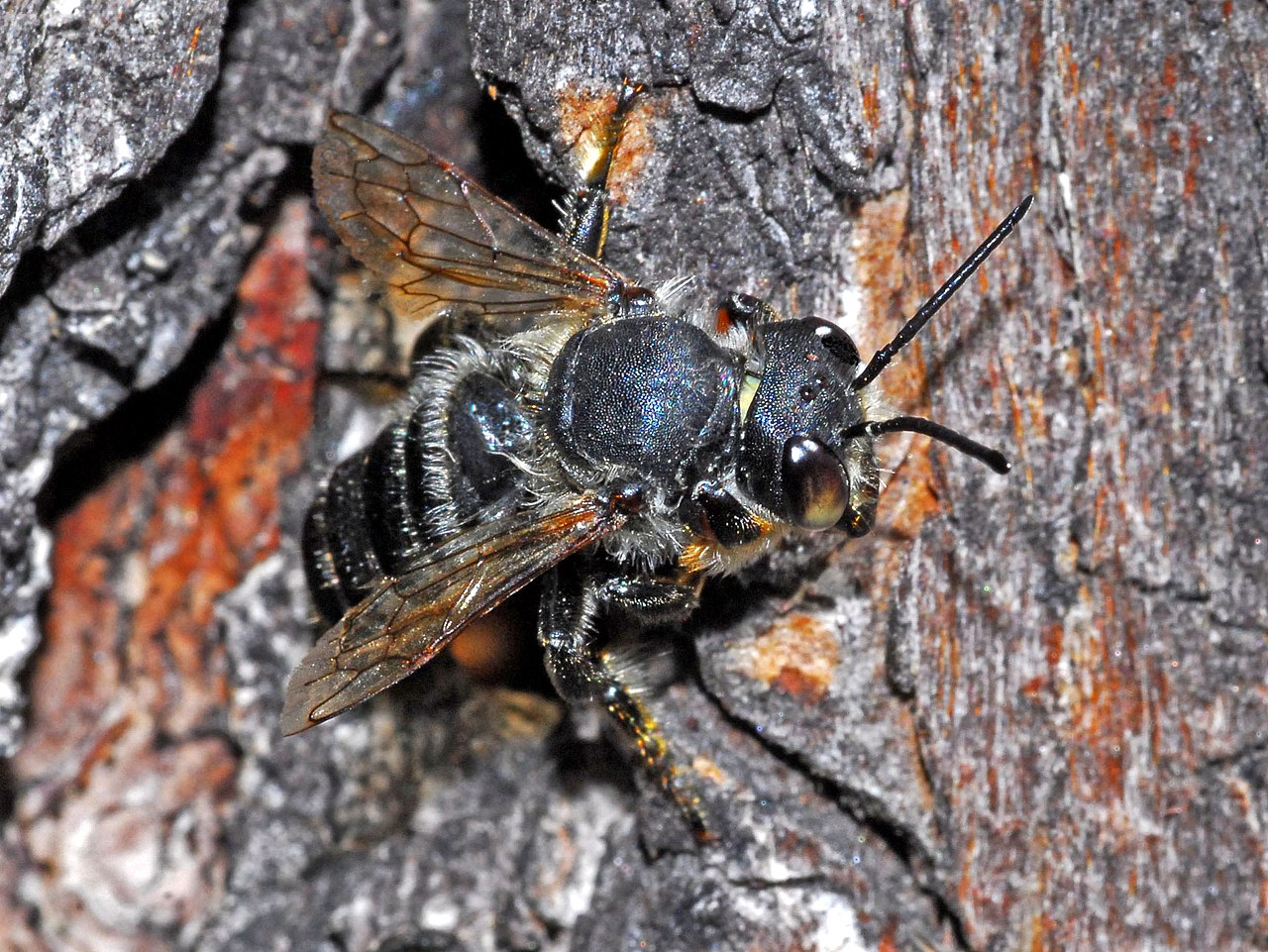
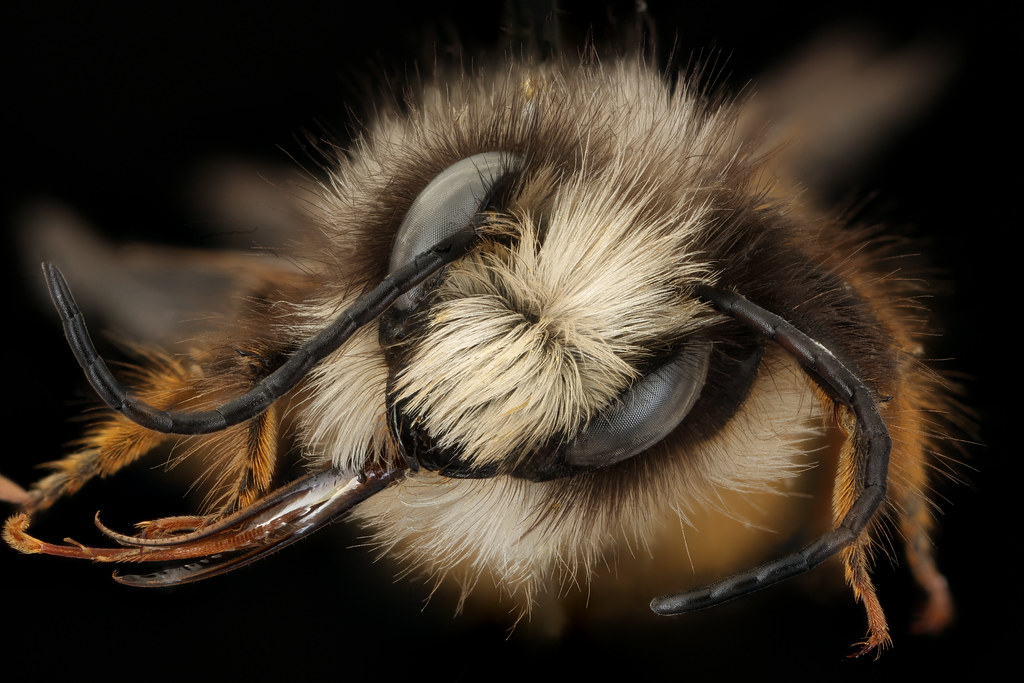
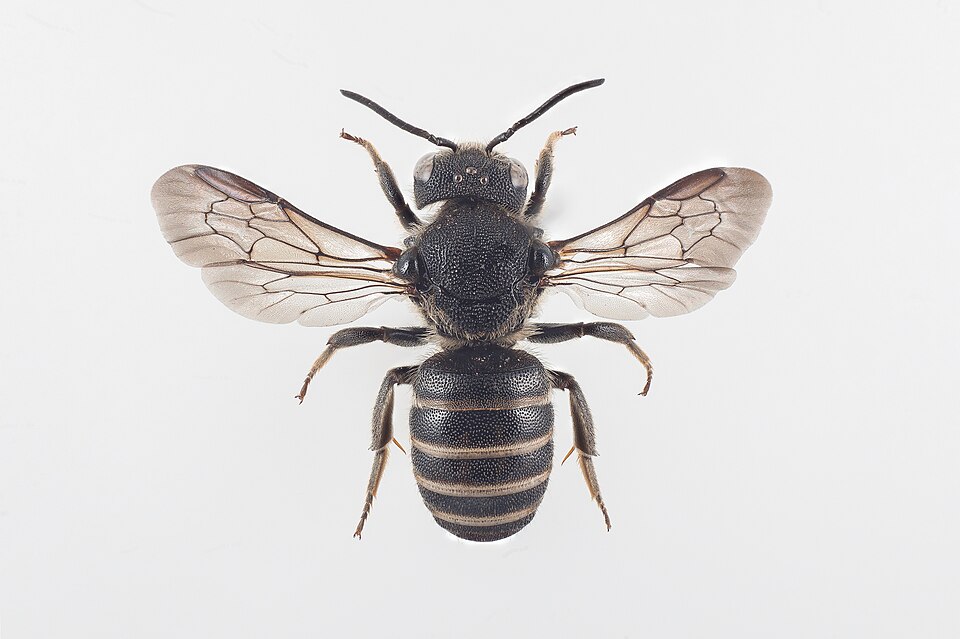
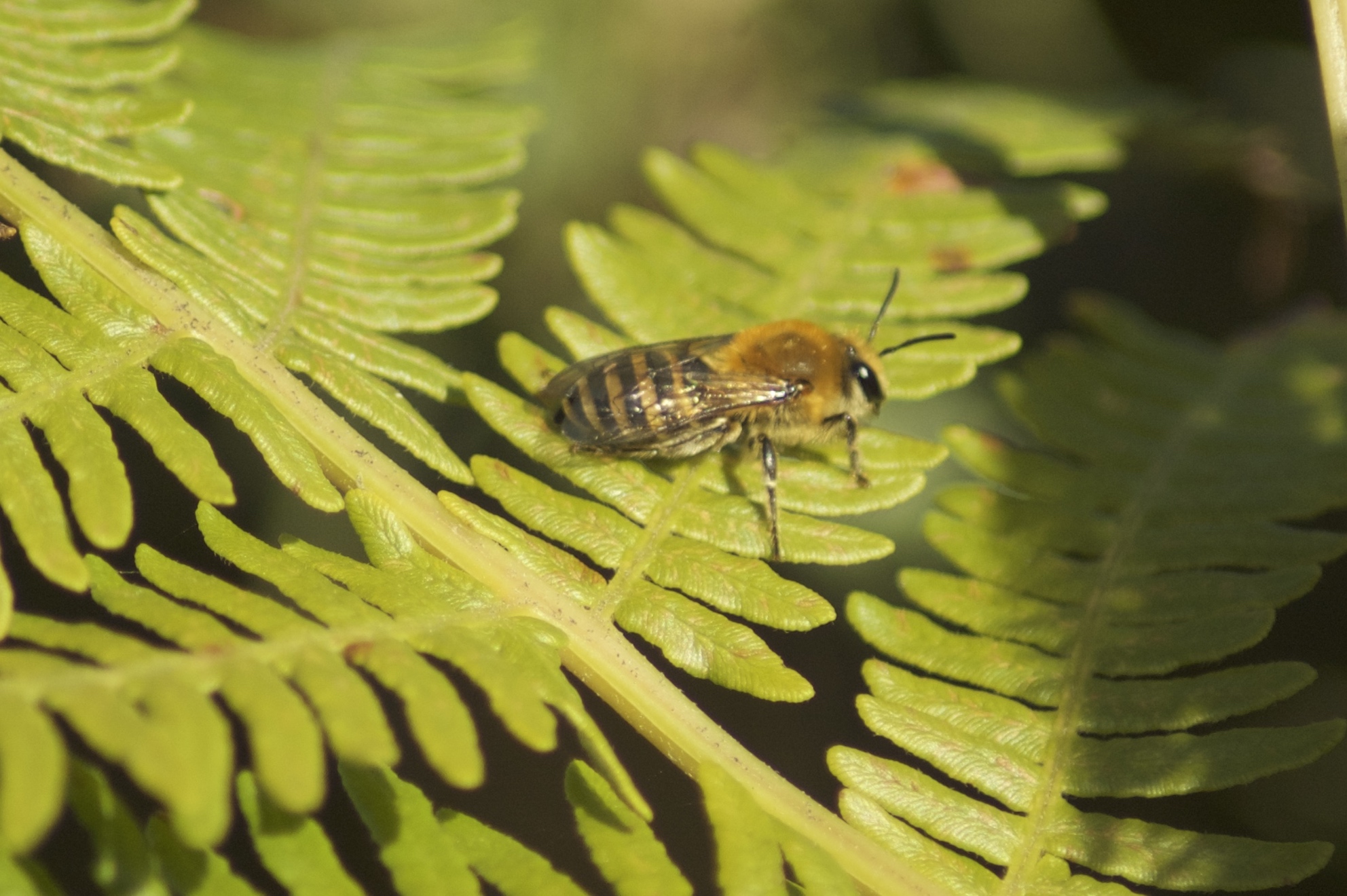
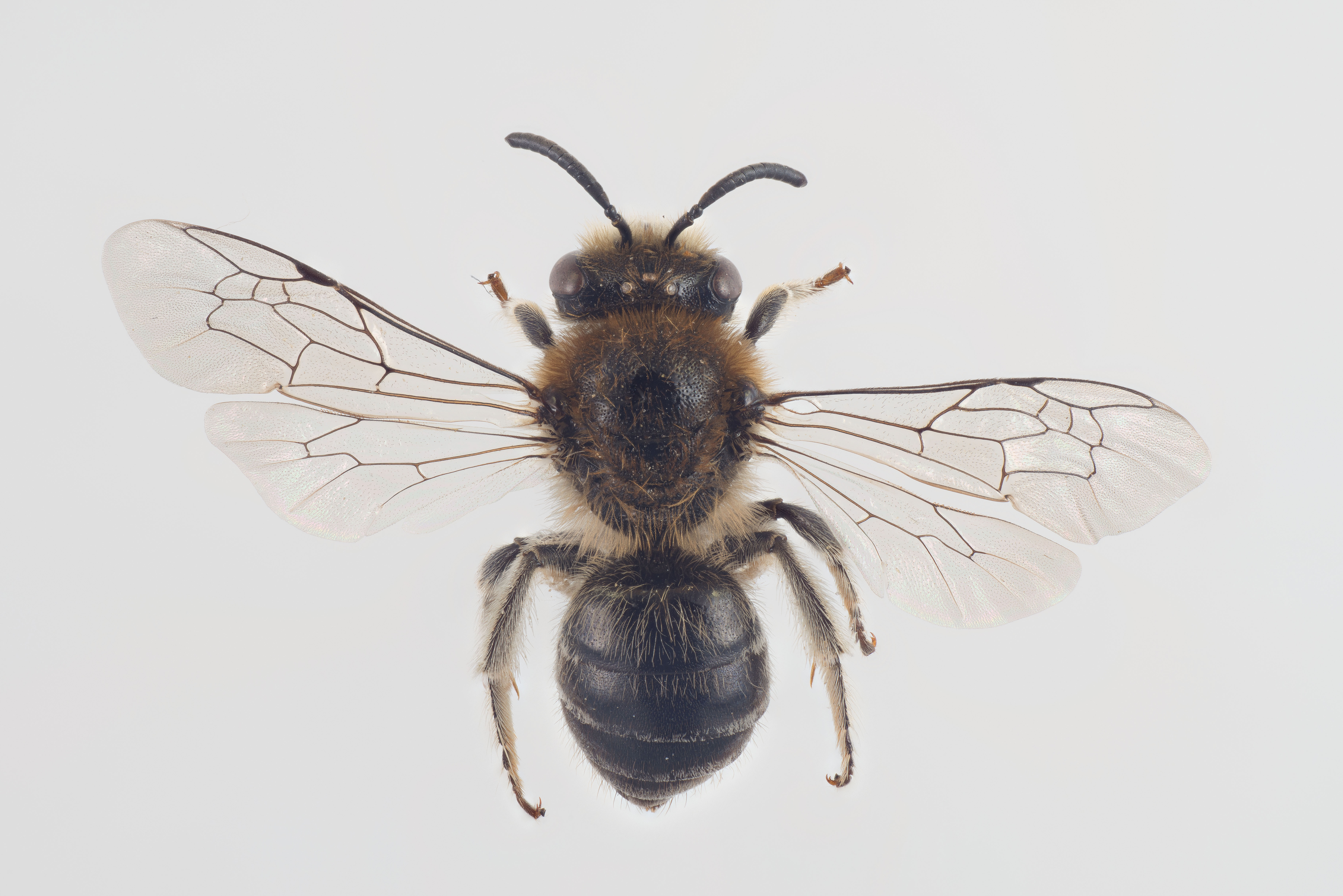
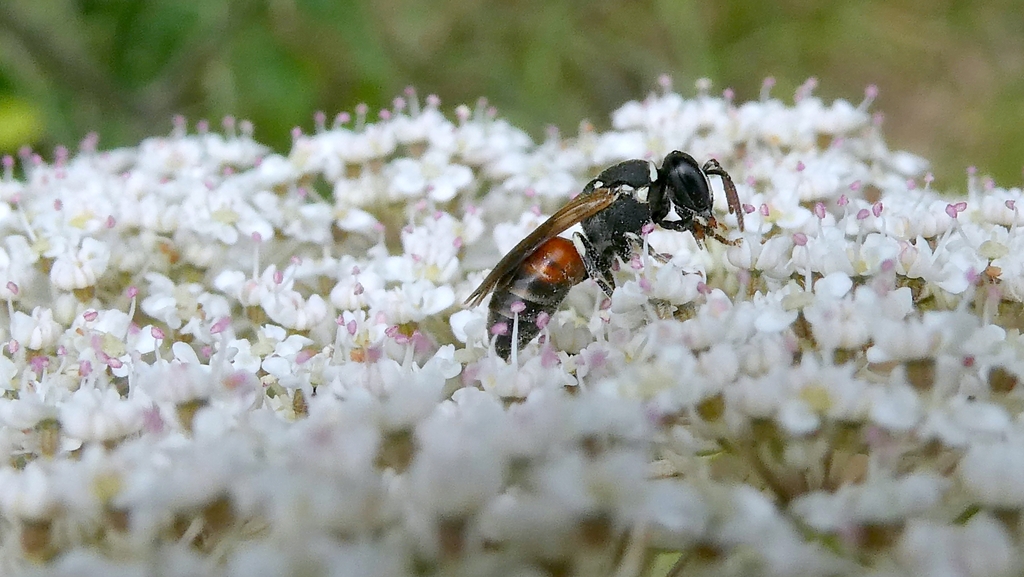
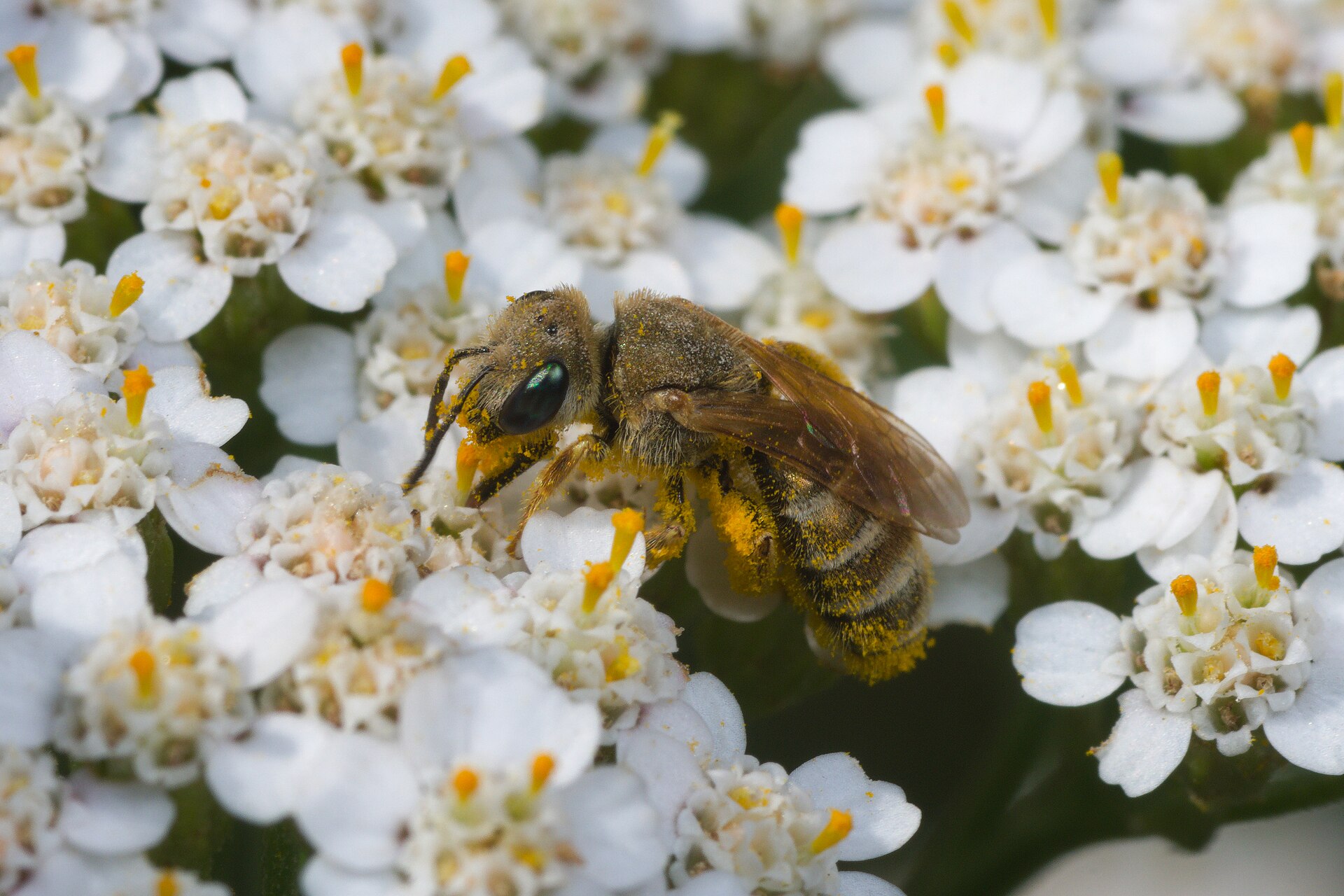
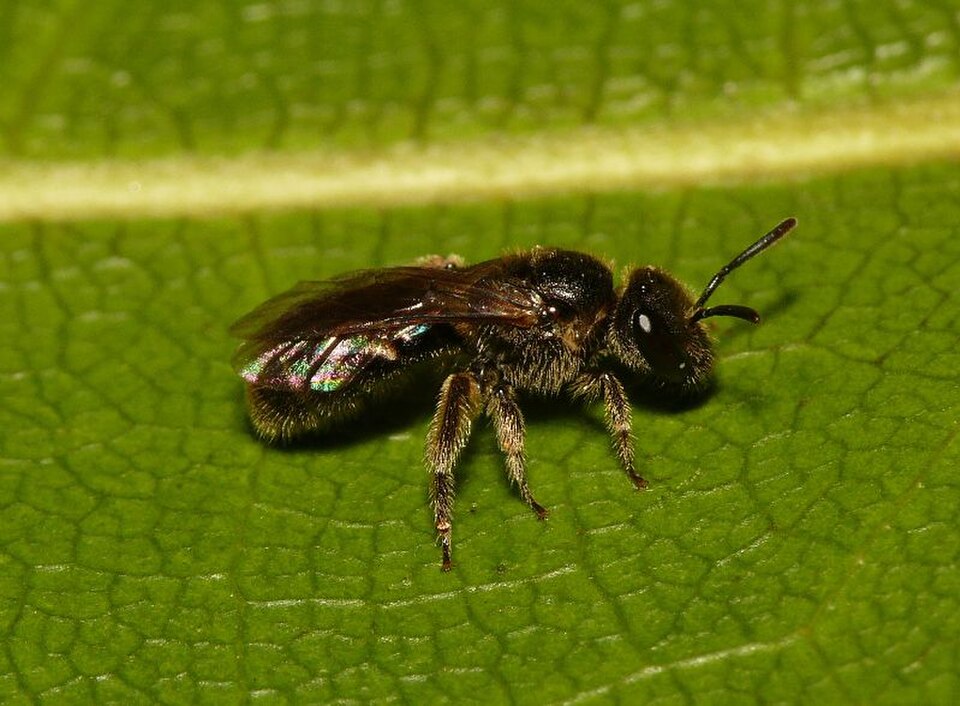
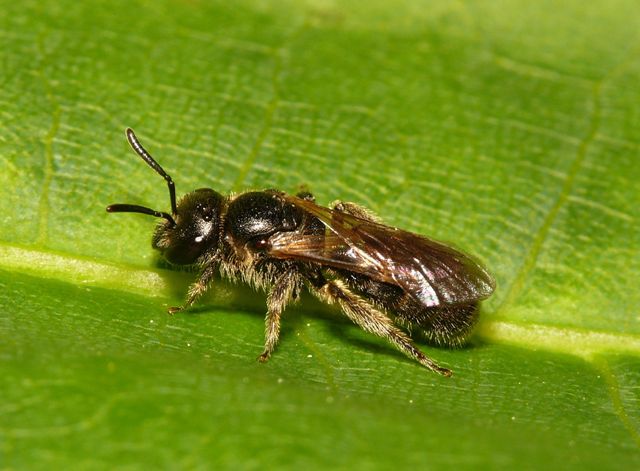
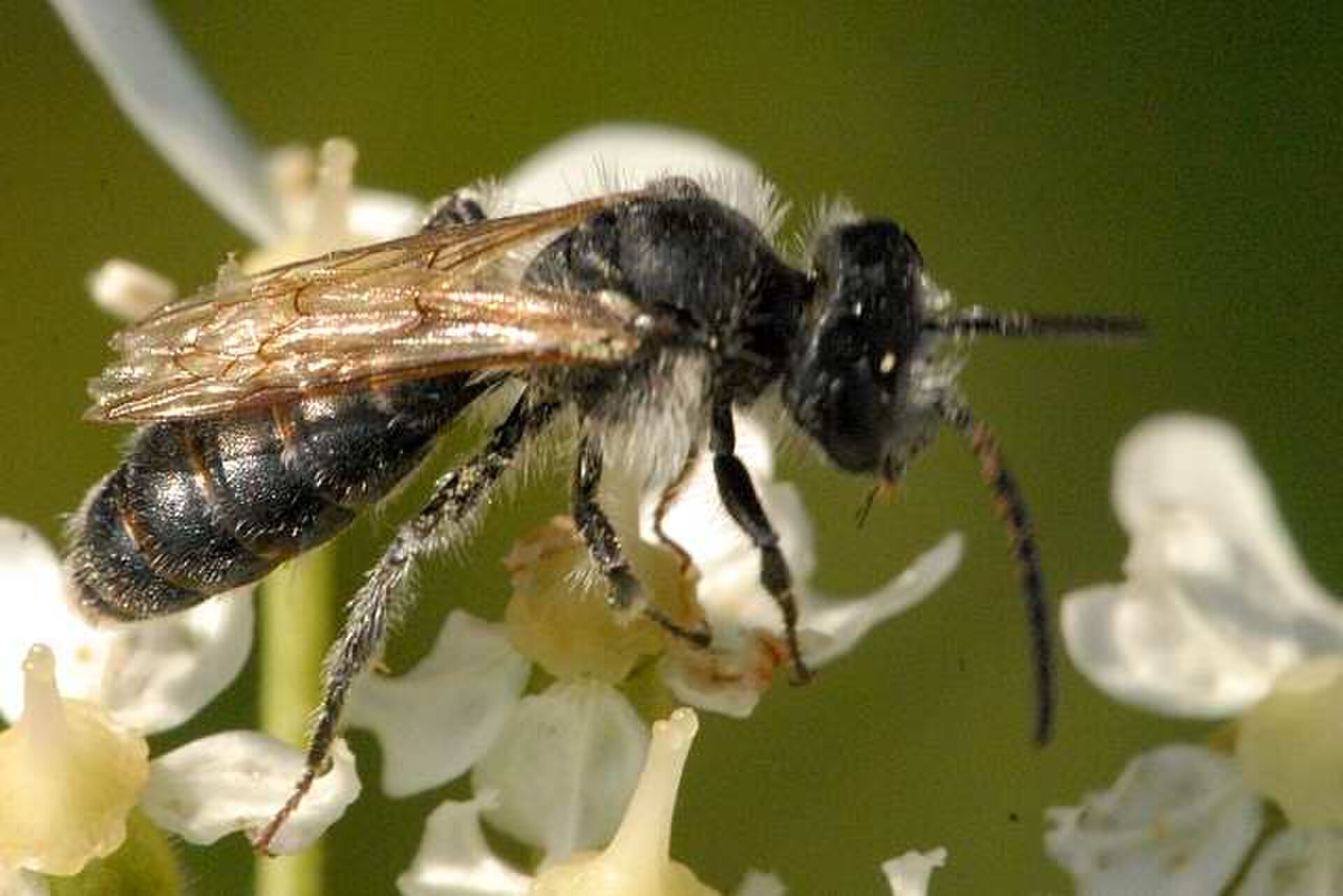
Andrena barbilabris
Sand Mining BeeA small mining bee that nests in sandy soils, often in large aggregations. It is an important early-spring pollinator of willow and fruit trees.
USGS Bee Inventory and Monitoring Lab / Public Domain
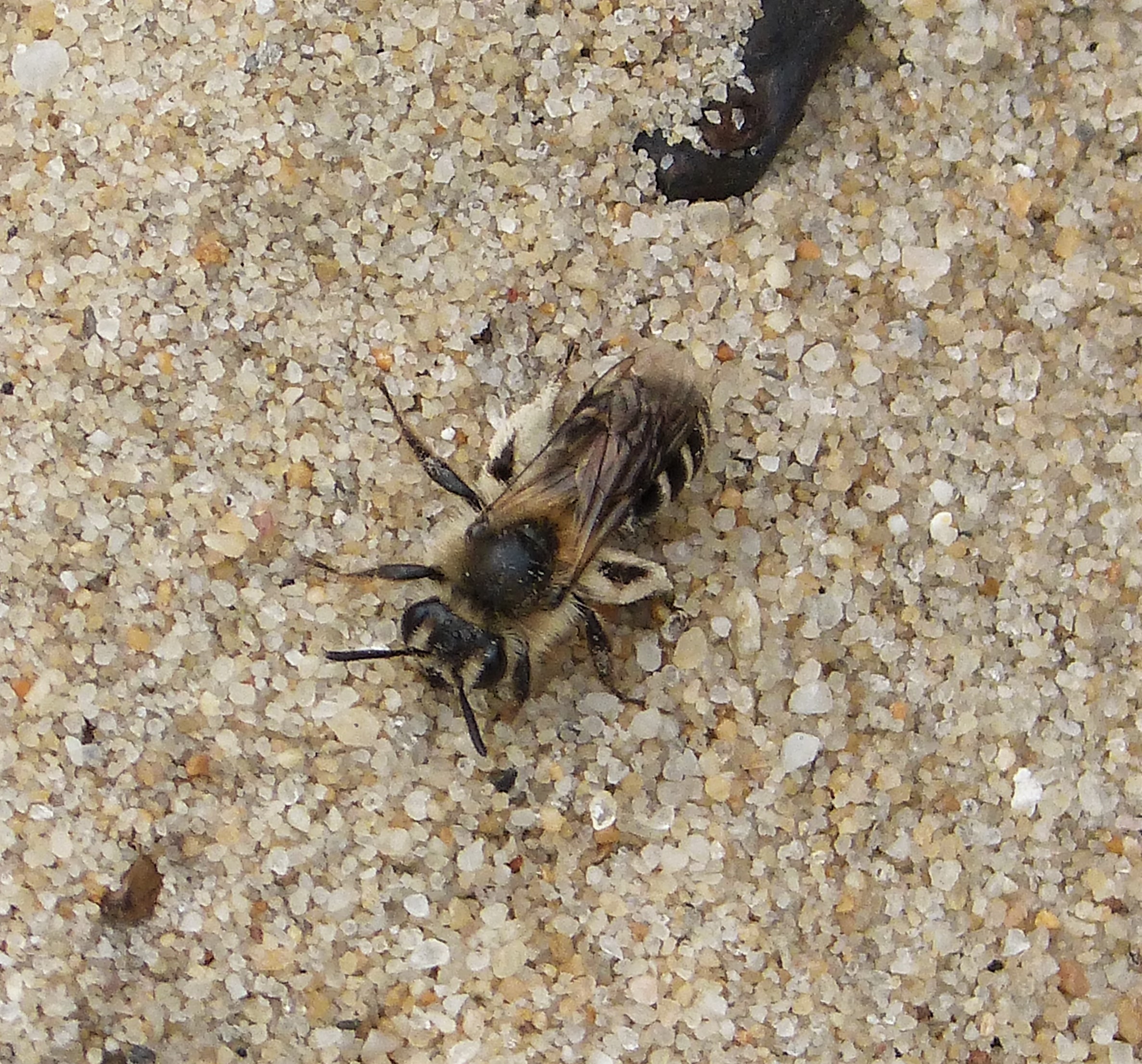
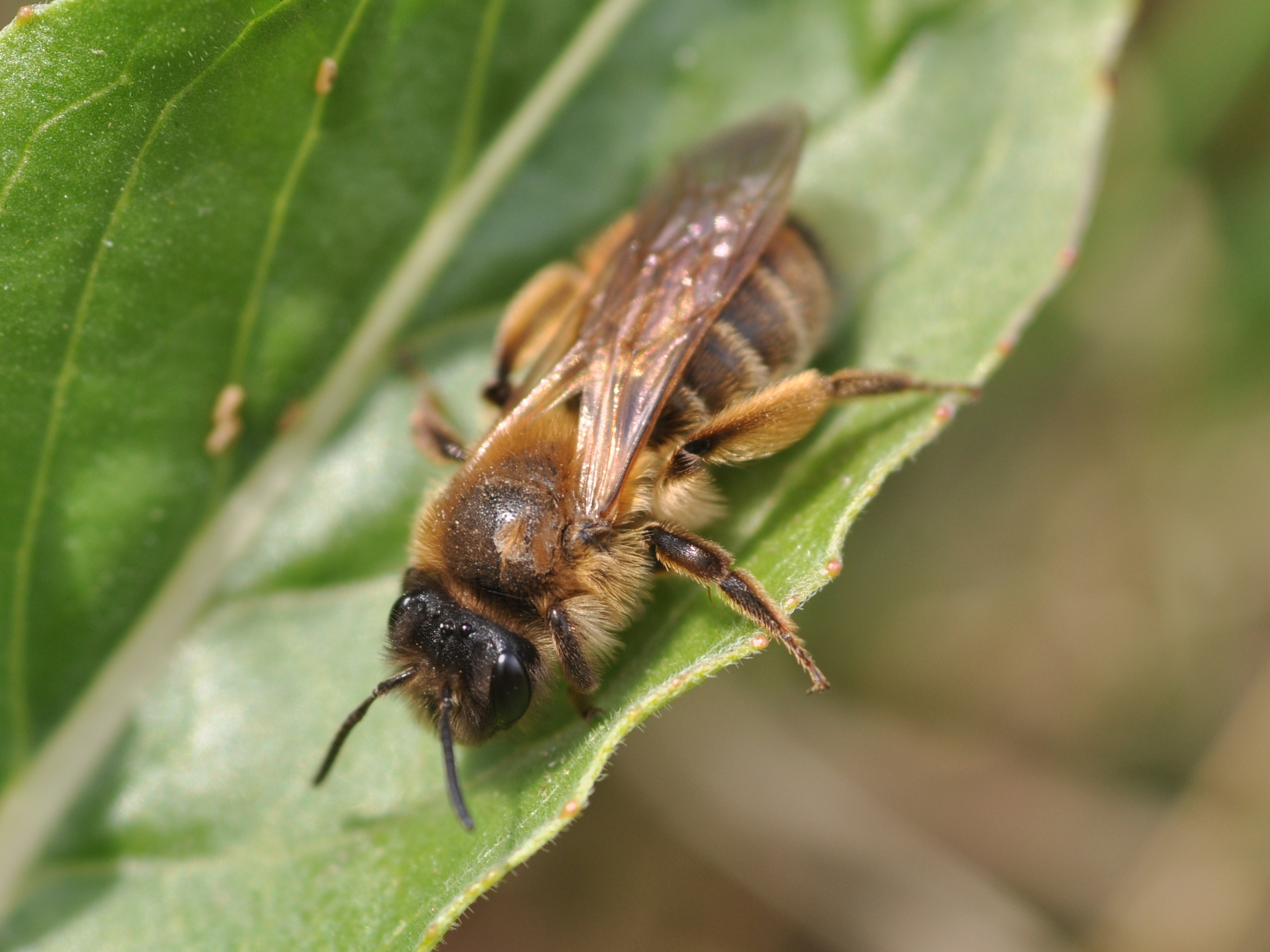
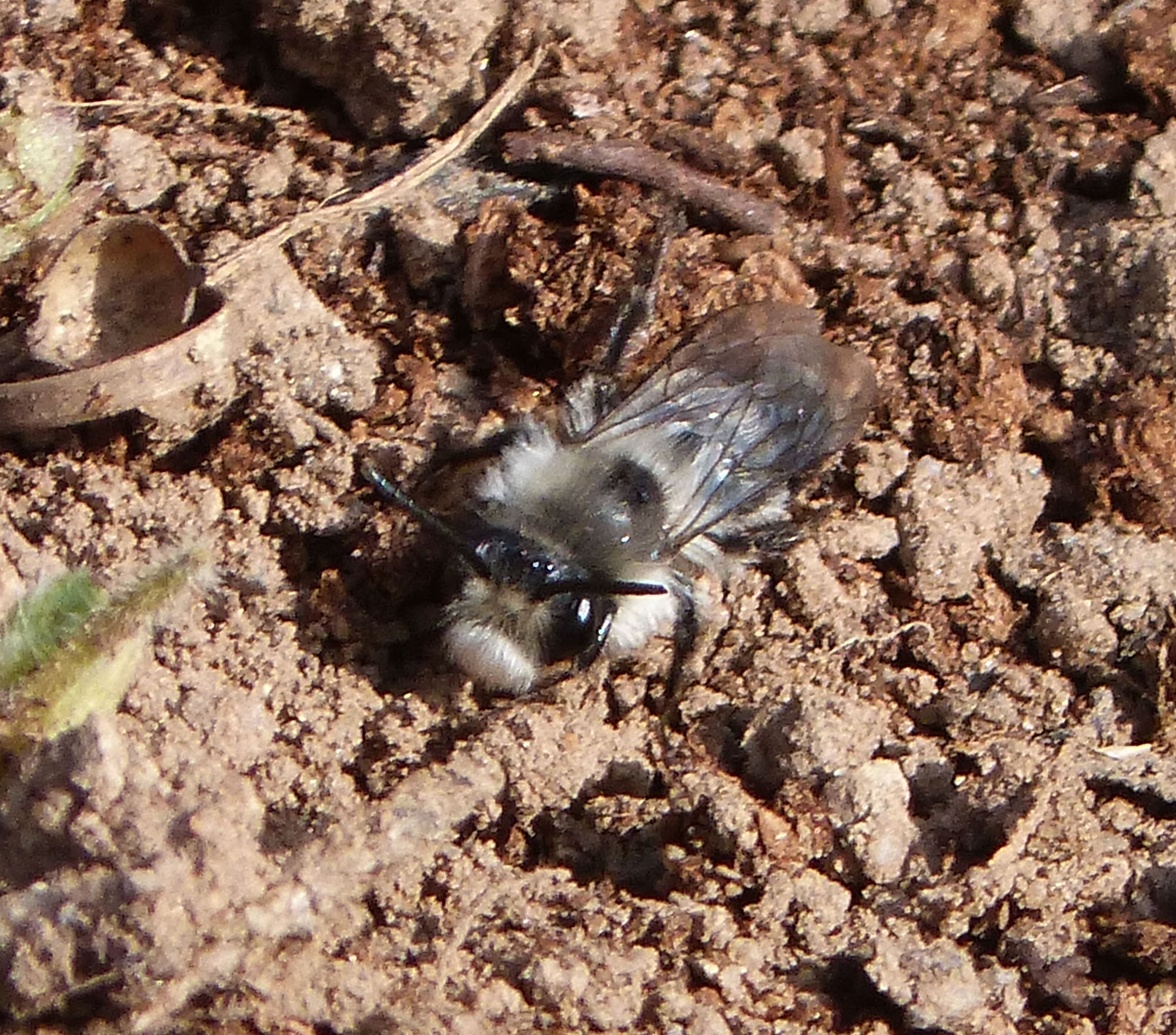
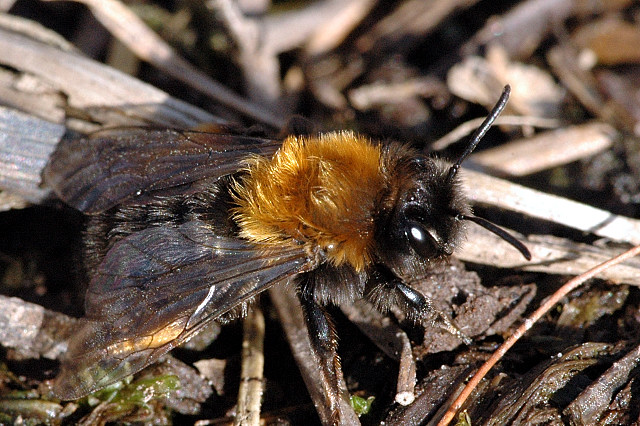
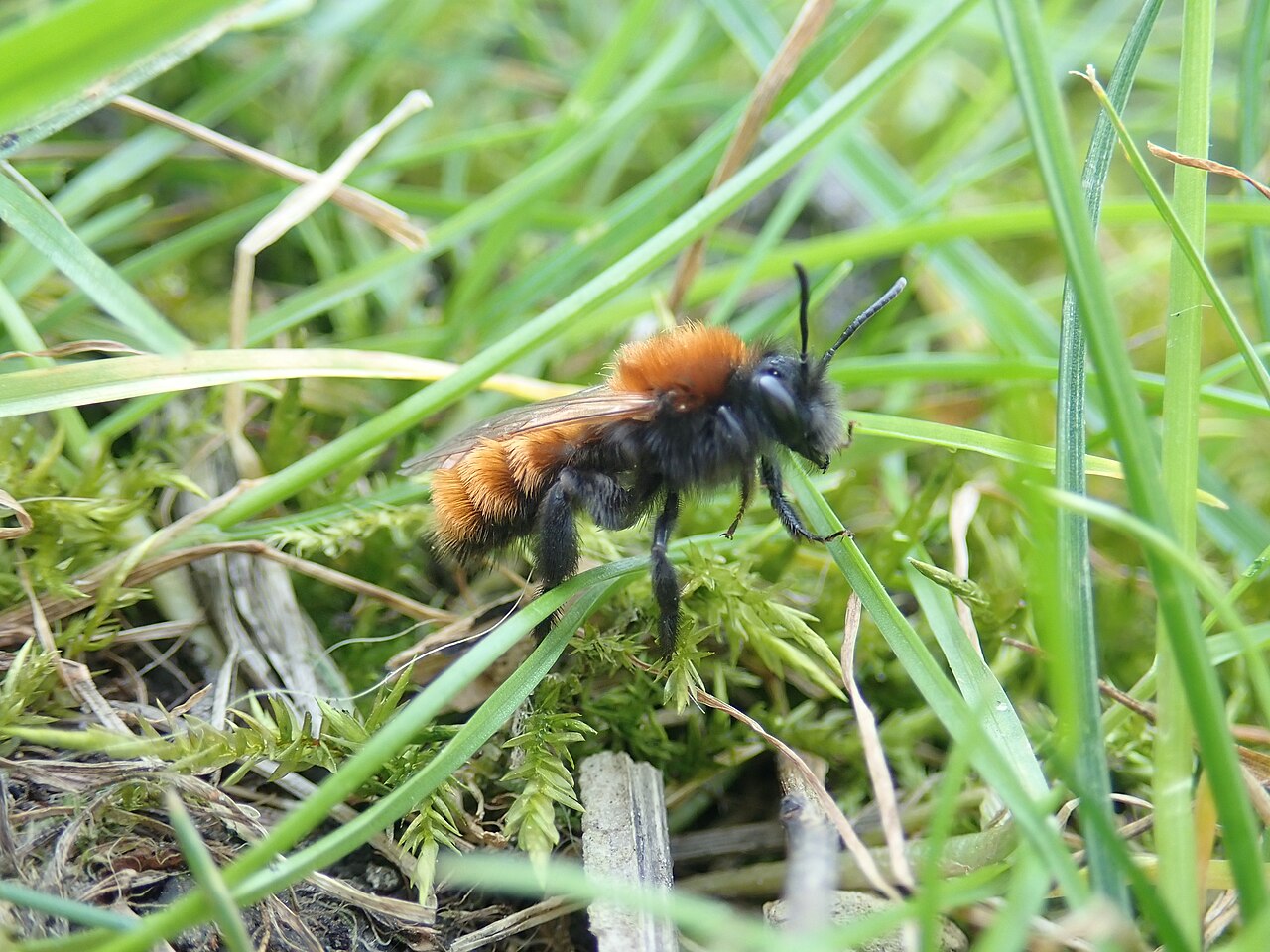
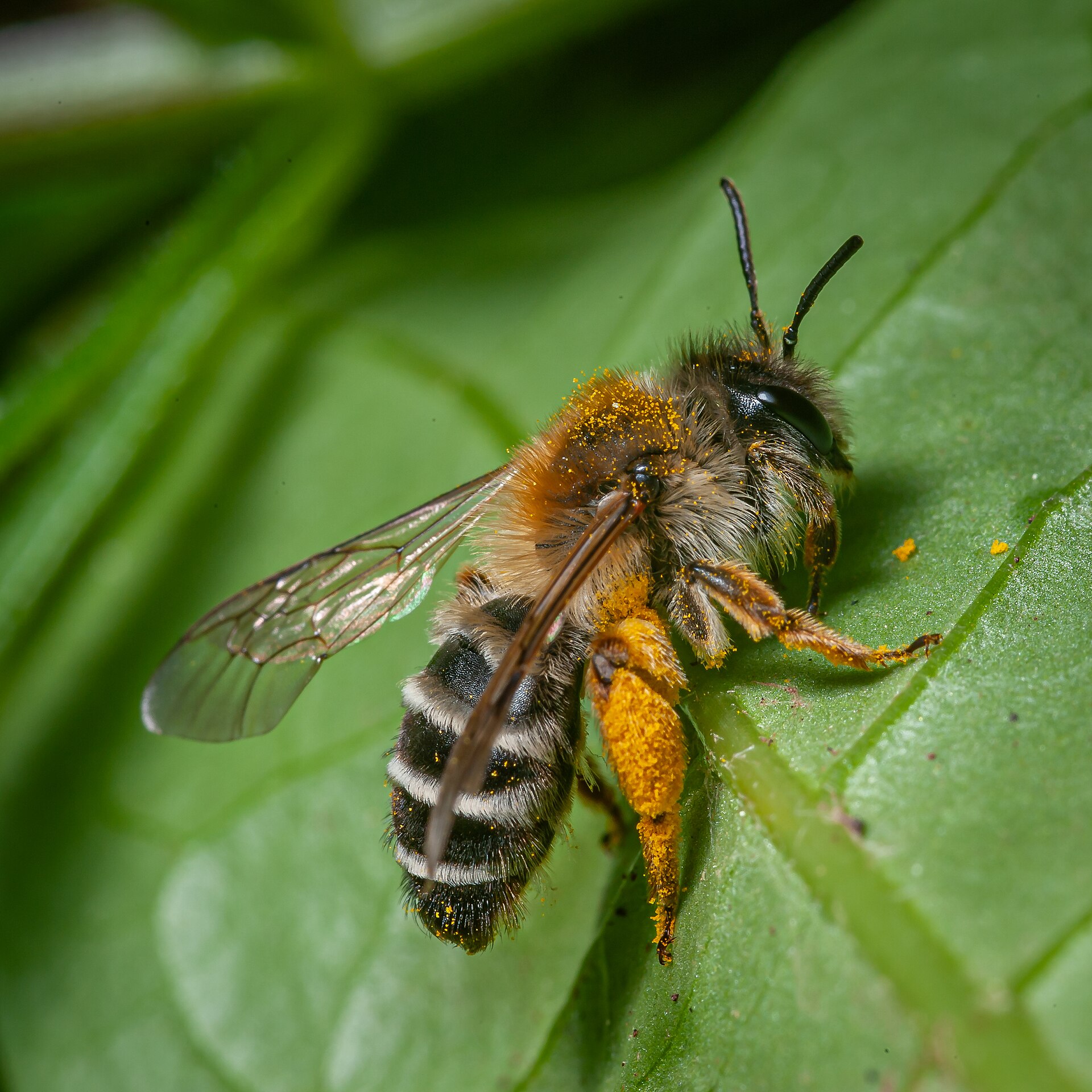
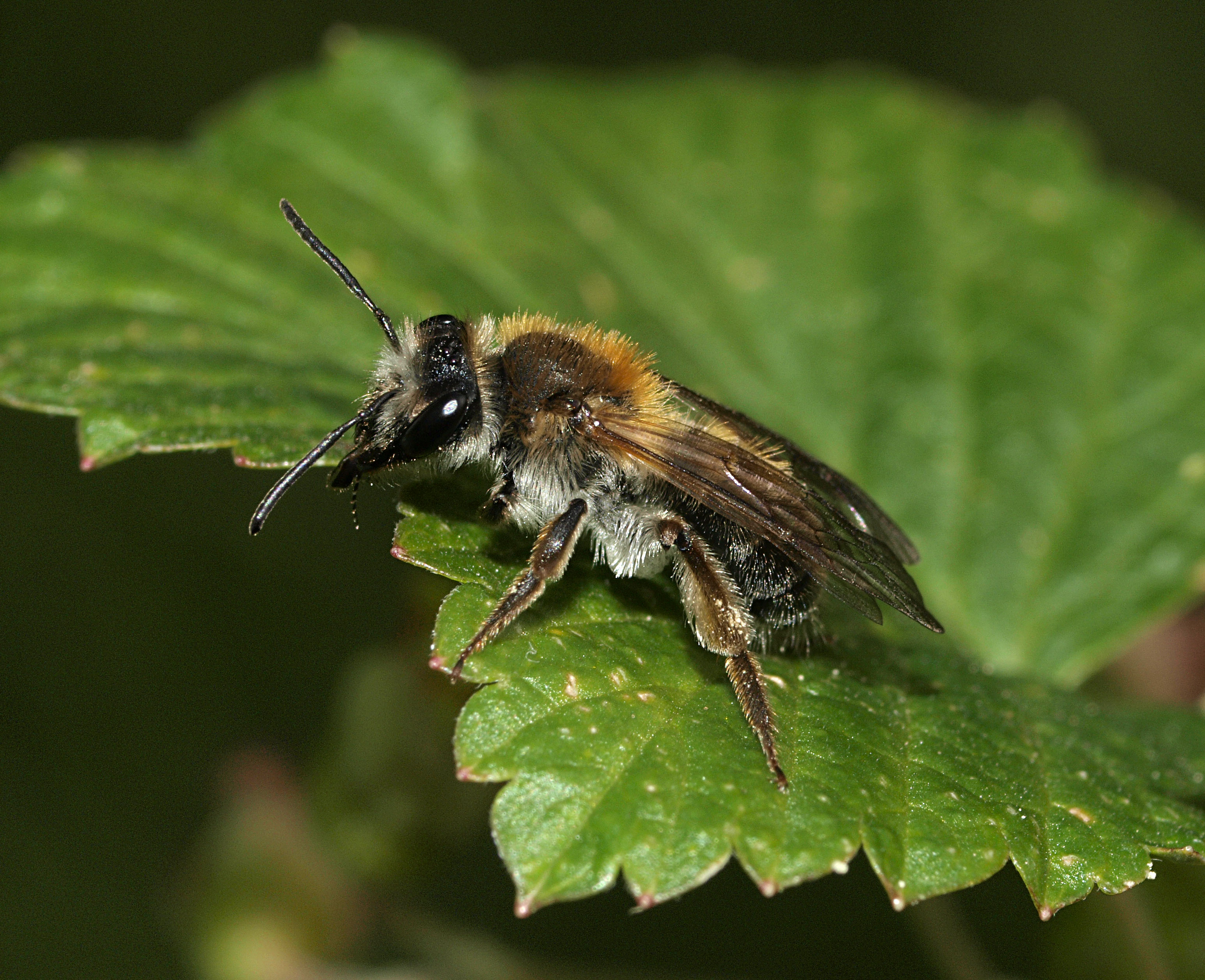
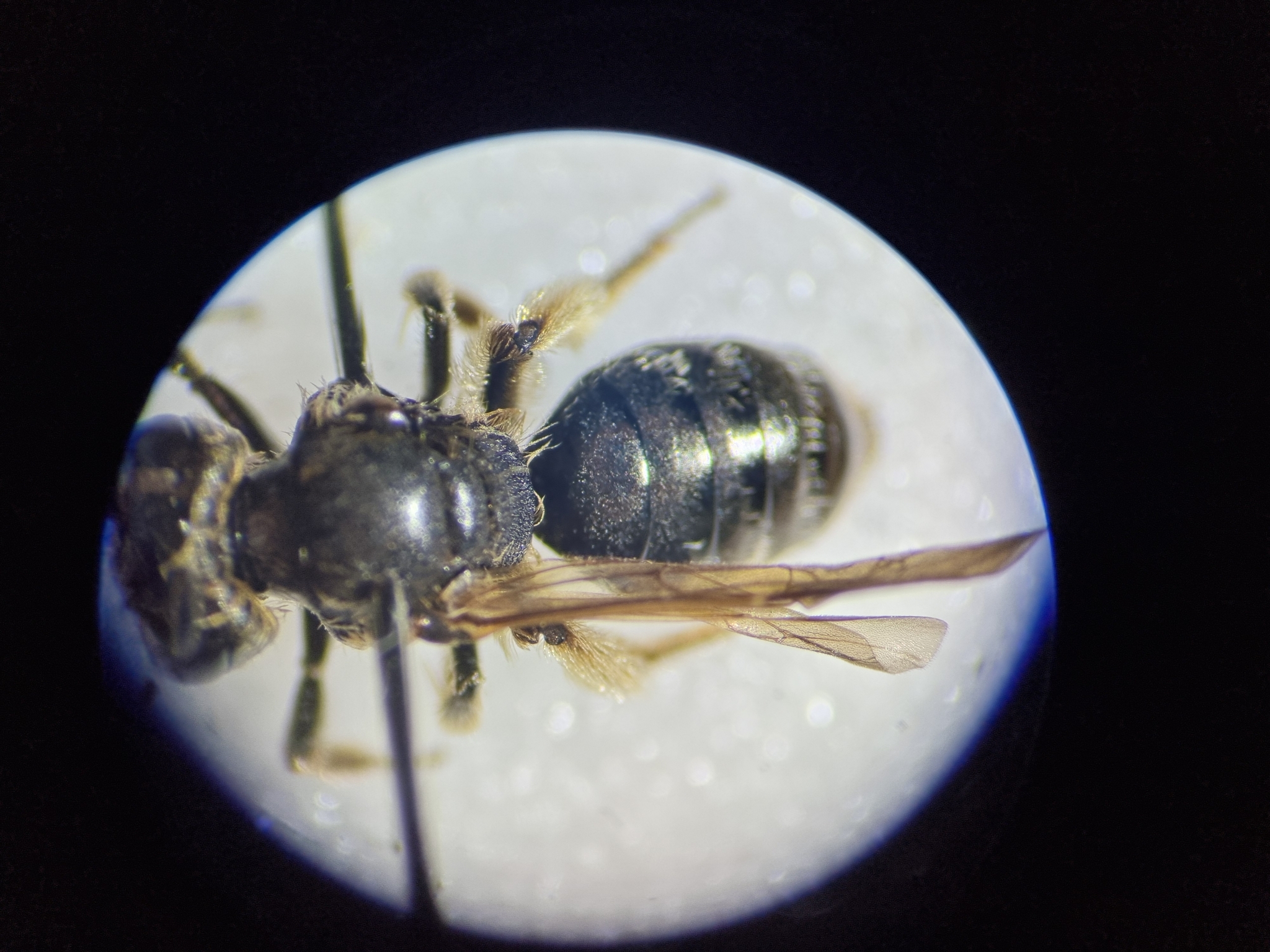
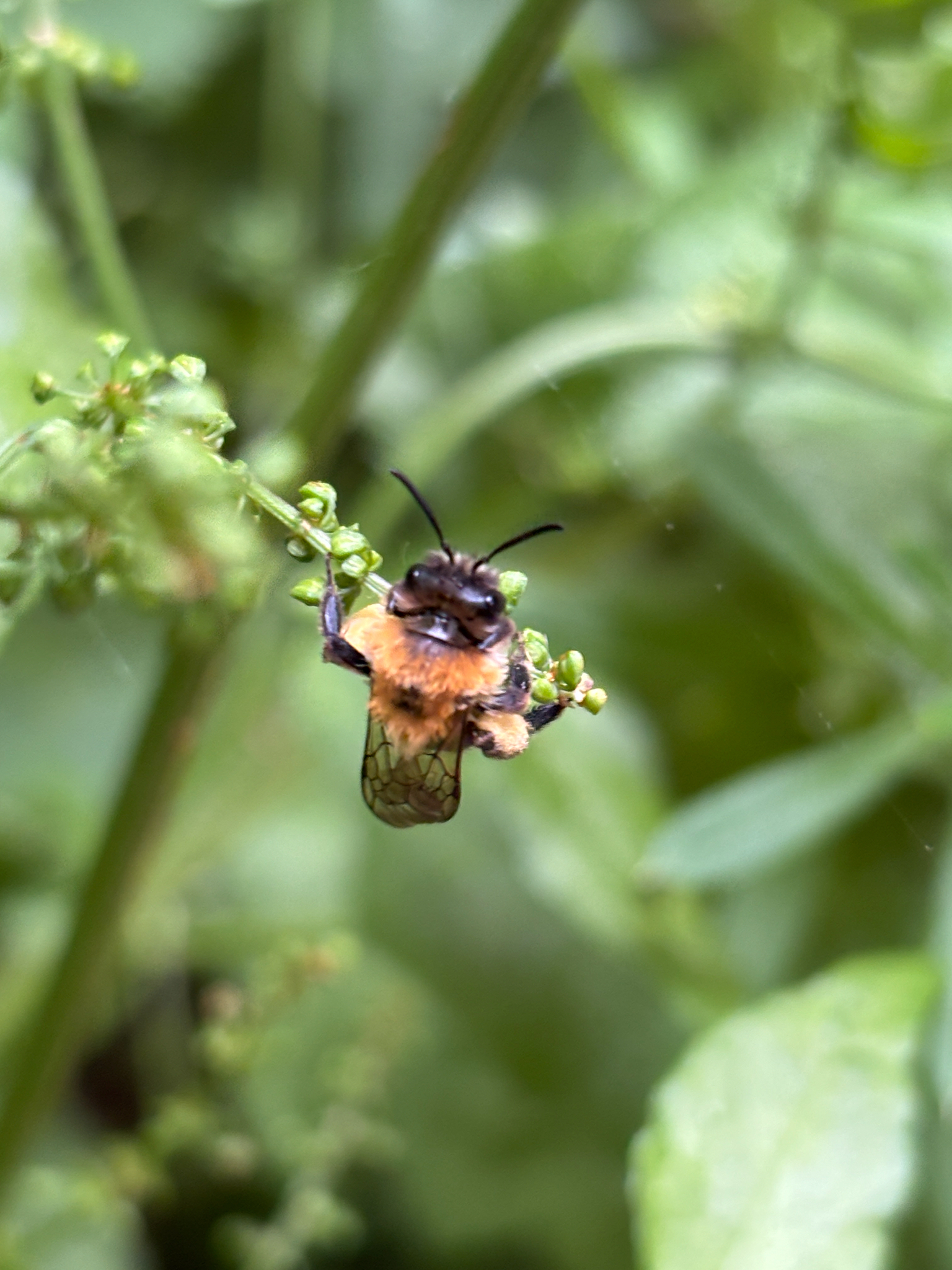
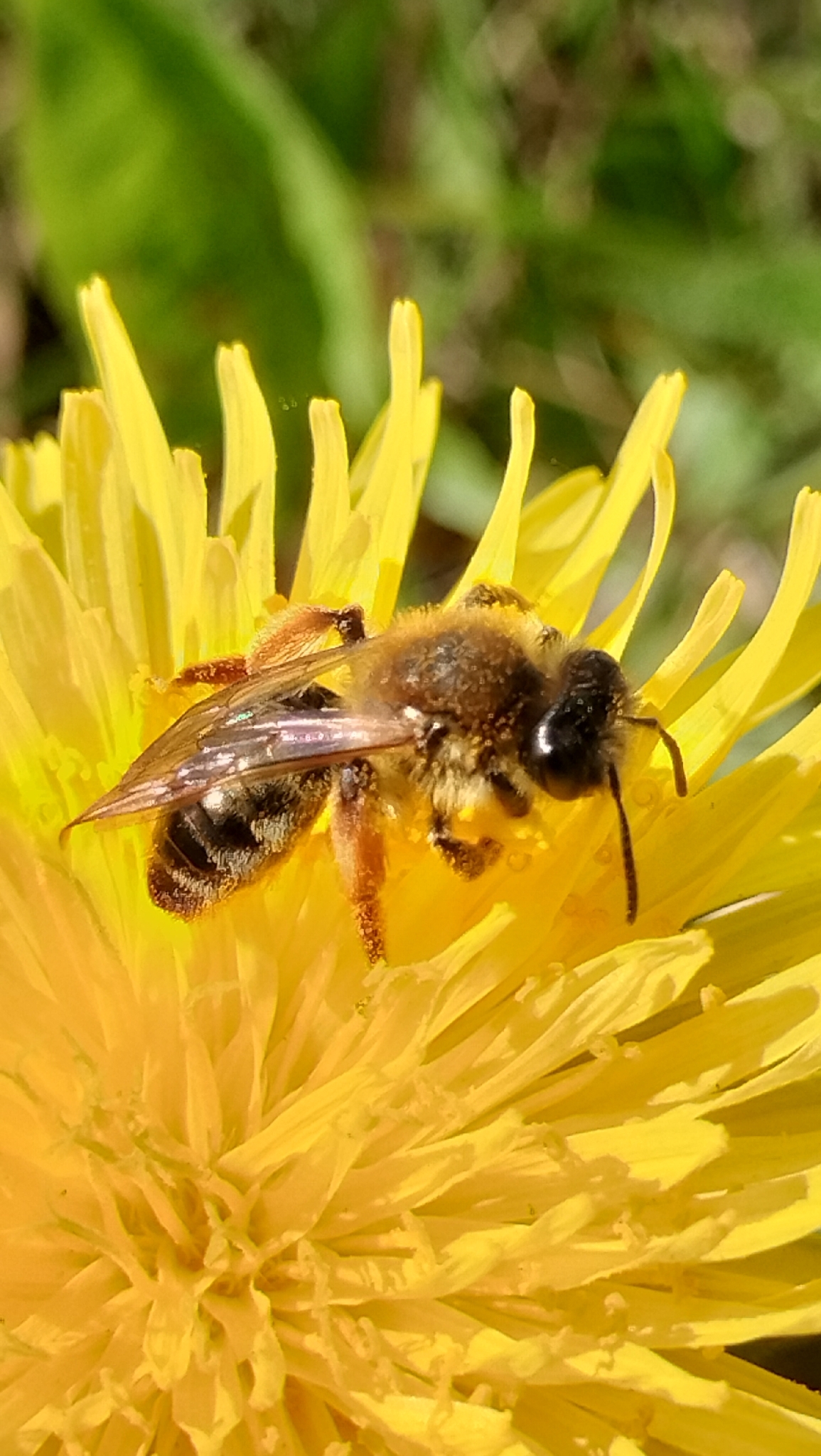
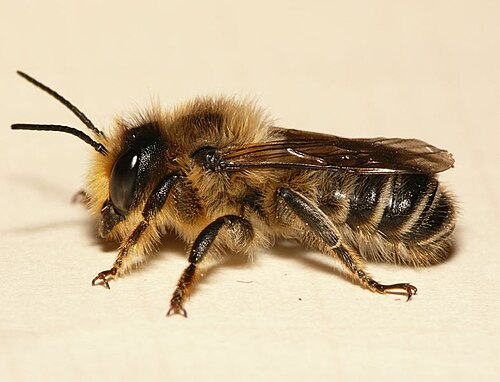
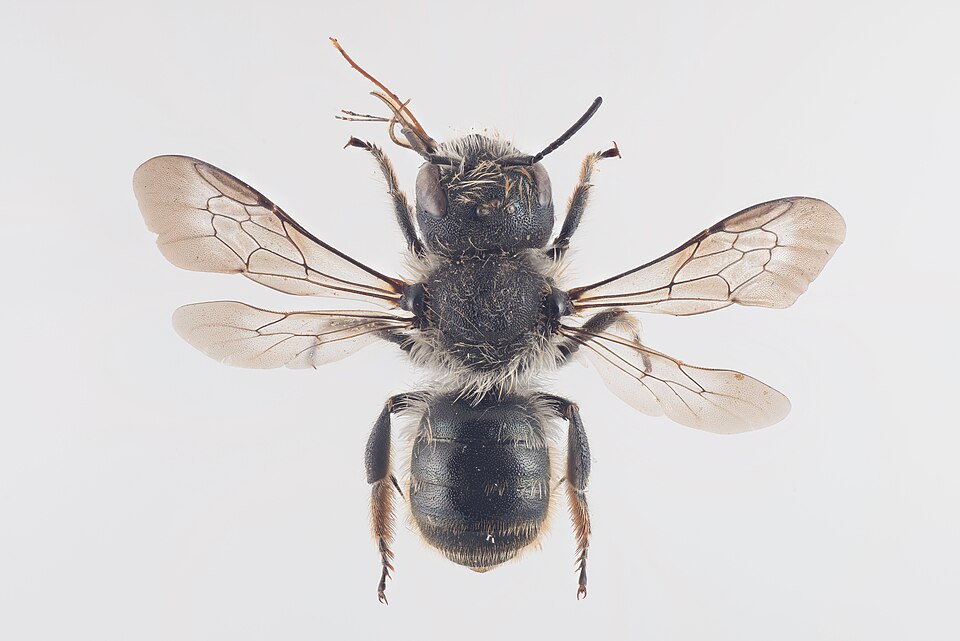
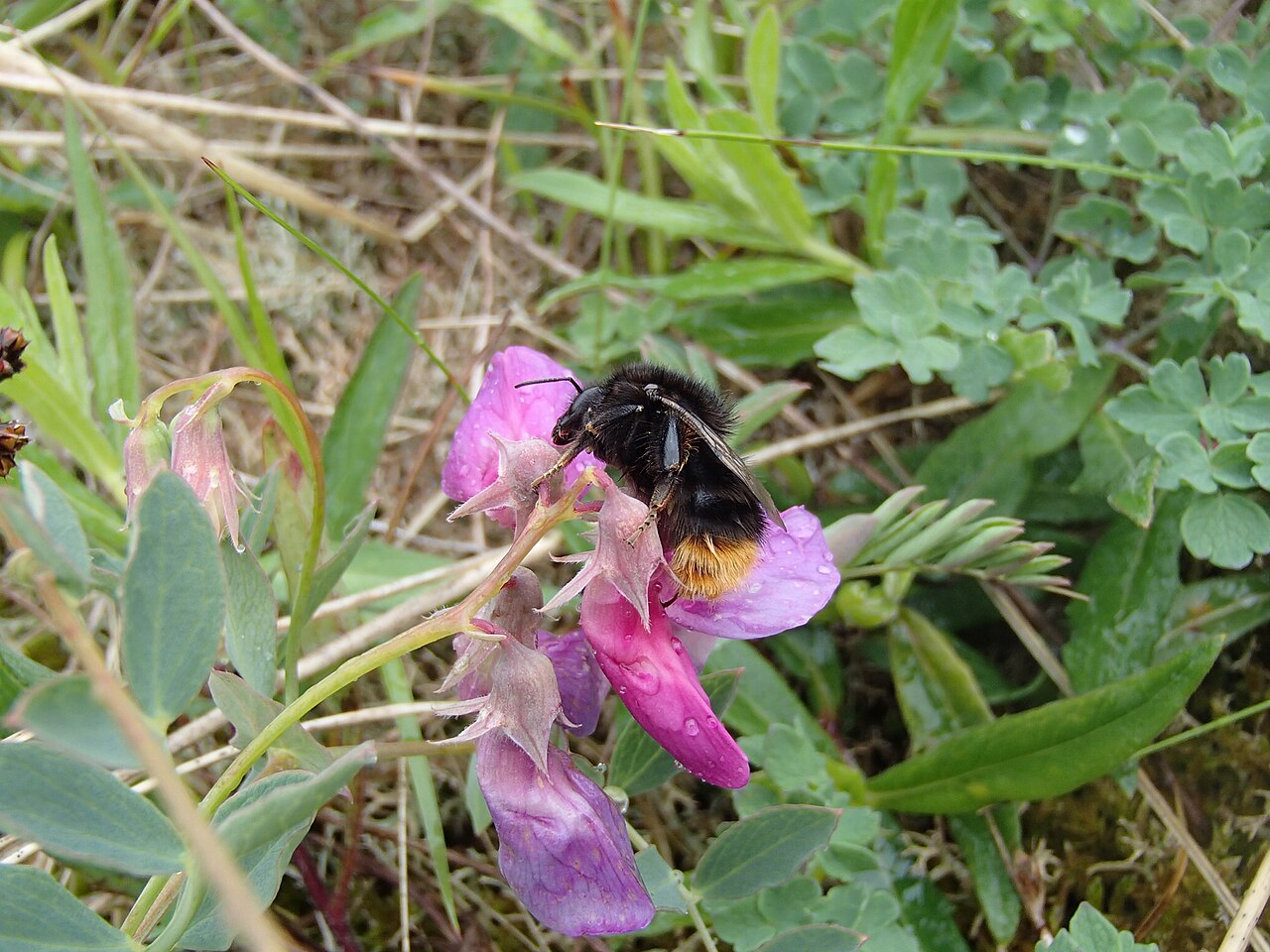
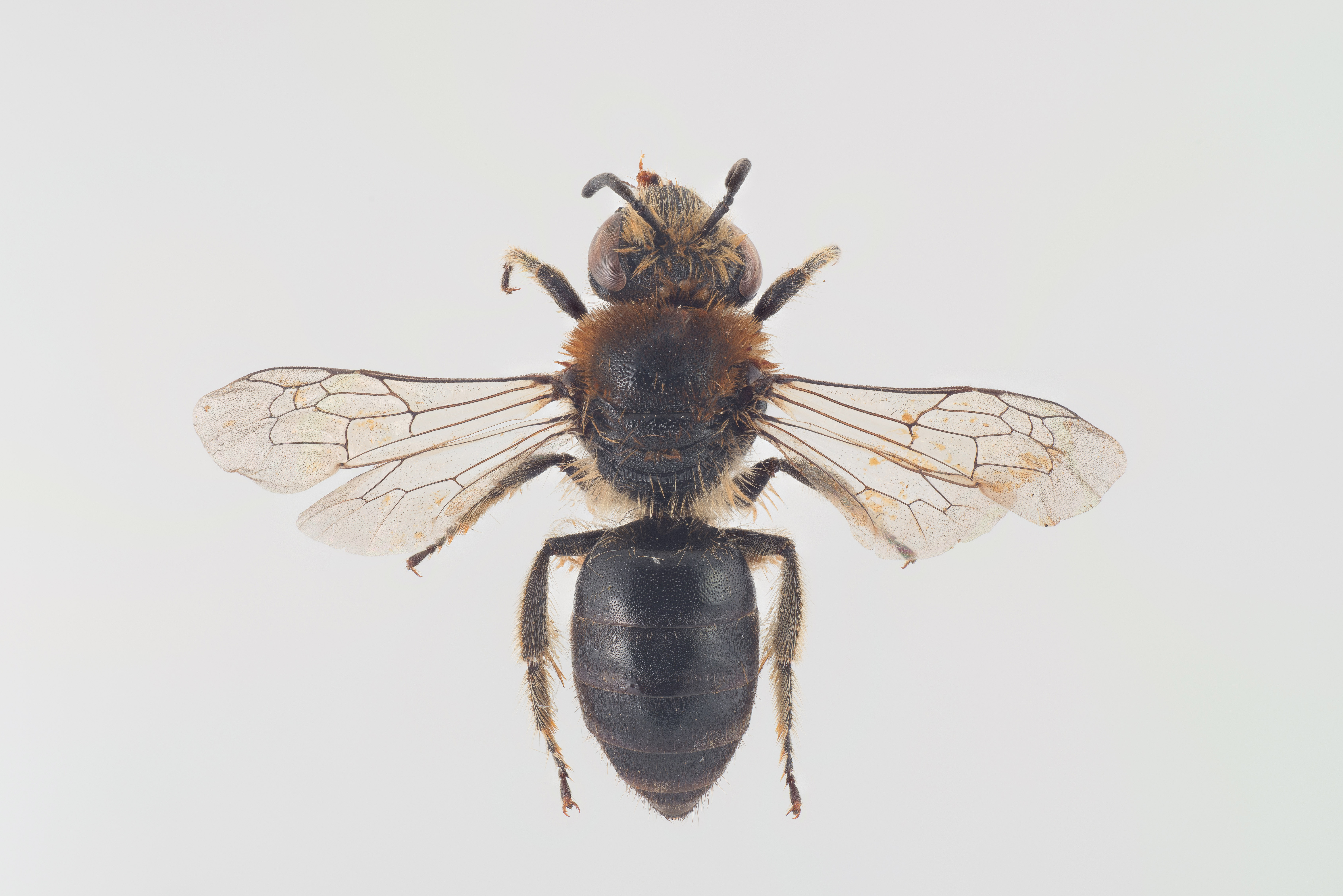
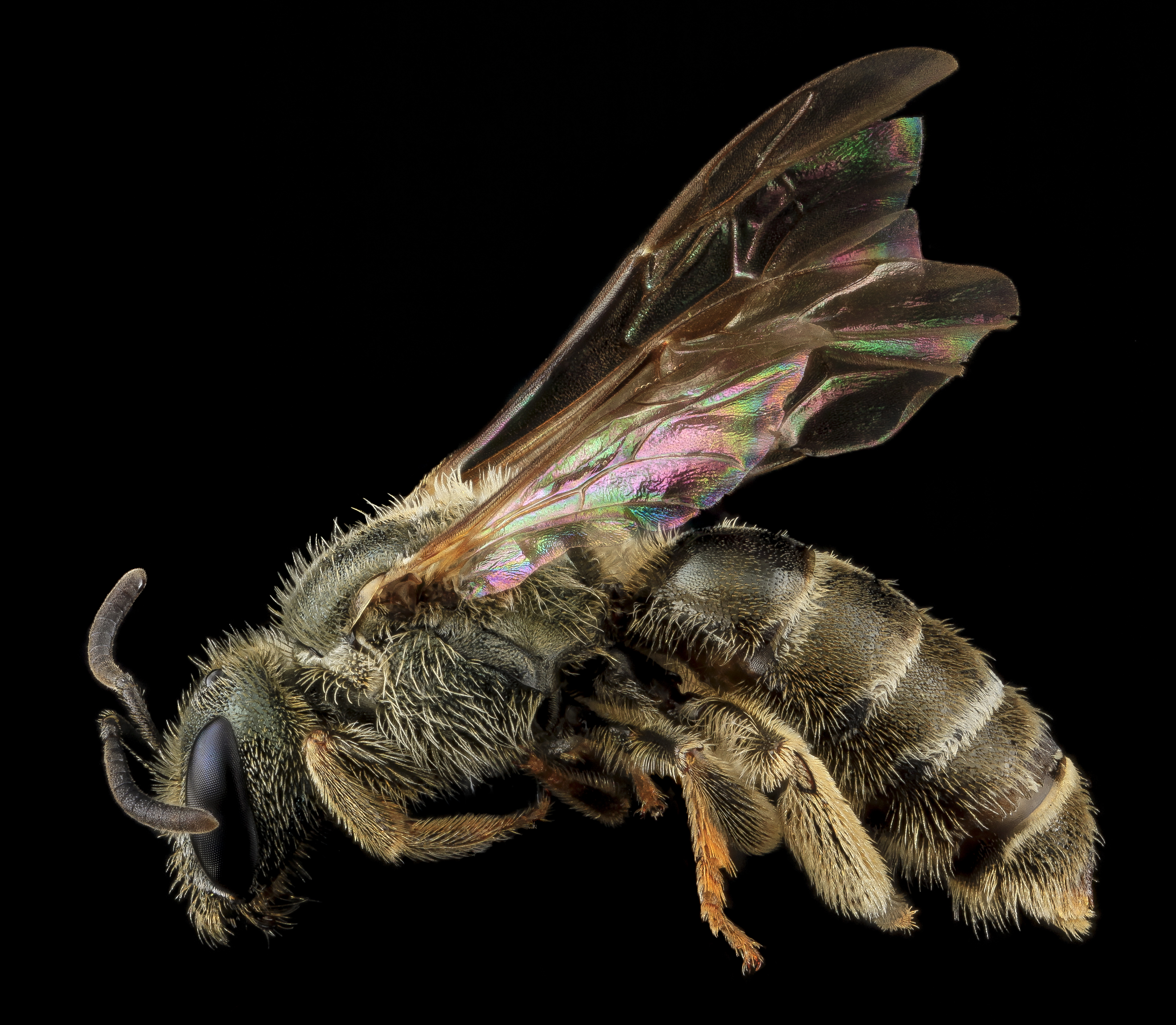
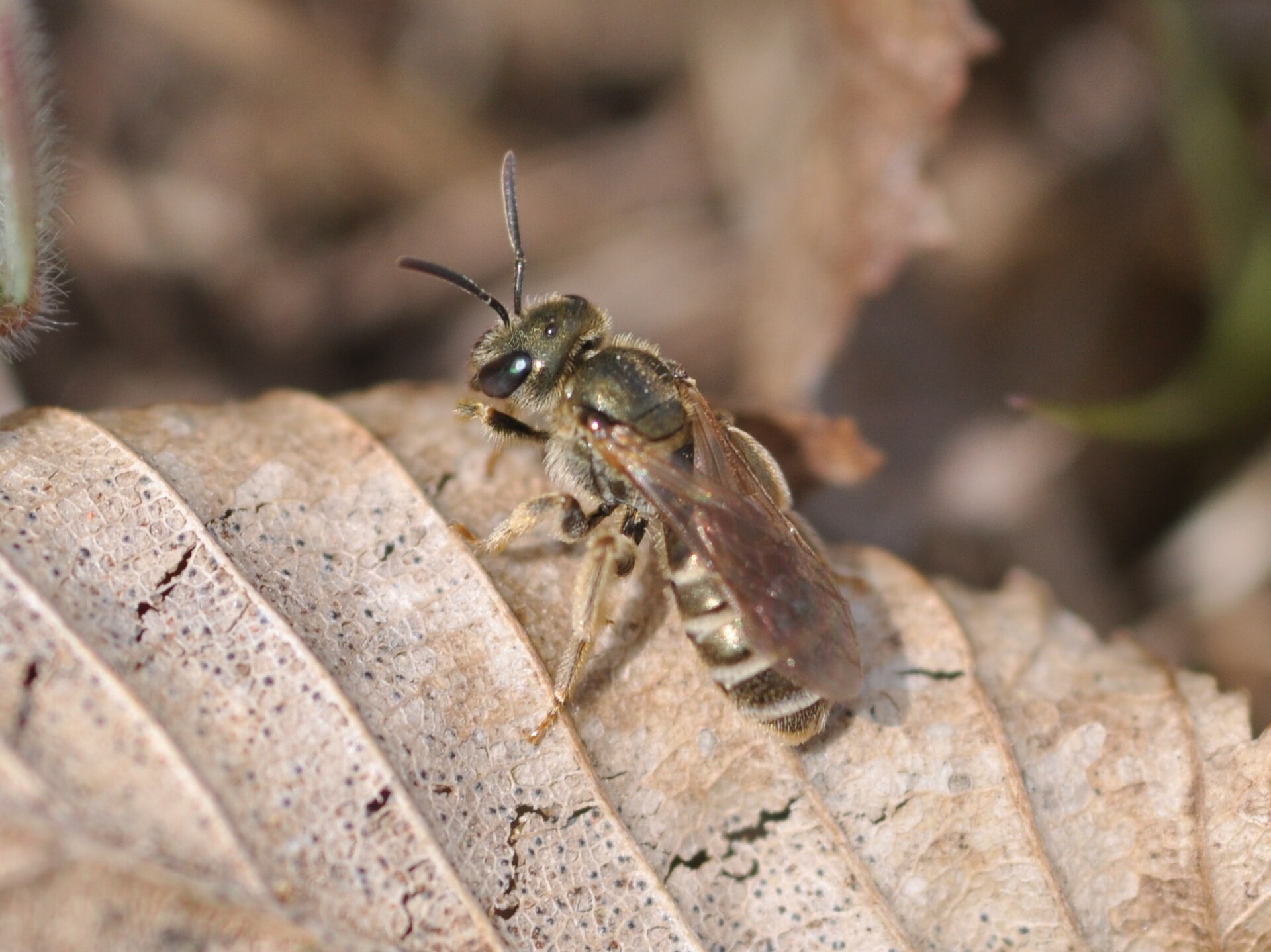
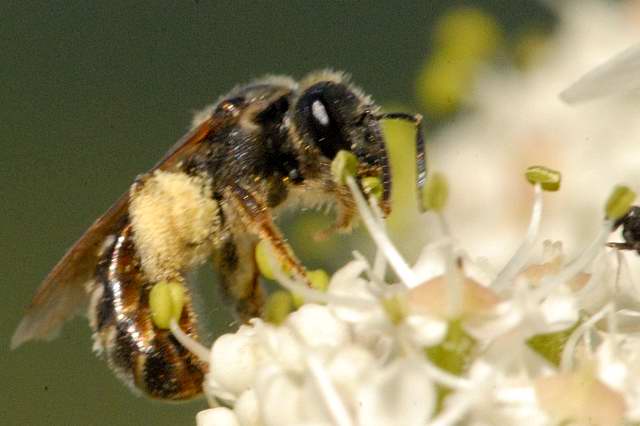
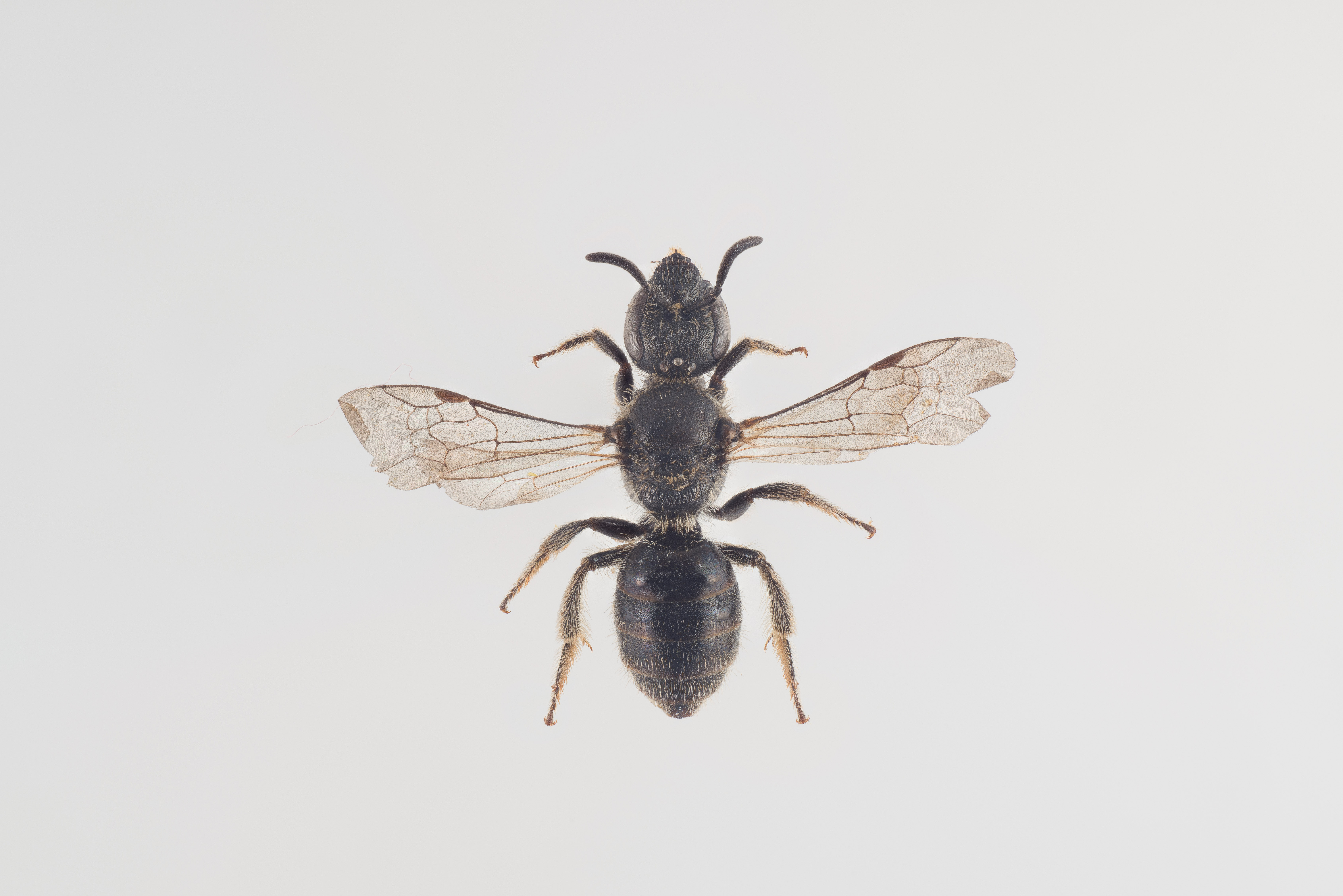
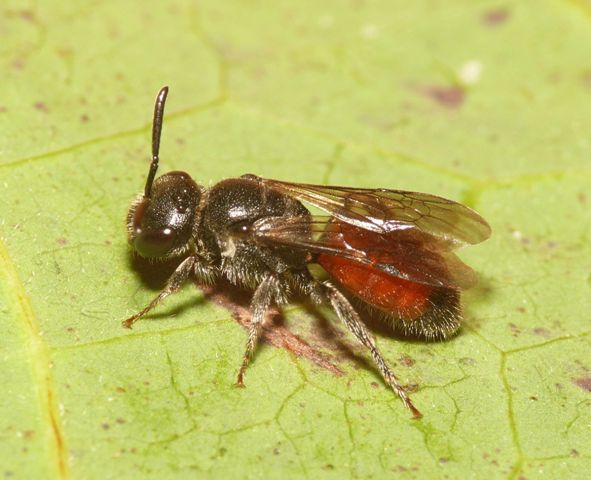
Andrena clarkella
Clark's Mining BeeOne of the earliest bees to emerge in spring, specialized on willow pollen. Females have distinctive orange-red hairs on the thorax.
USGS Bee Inventory and Monitoring Lab / Public Domain
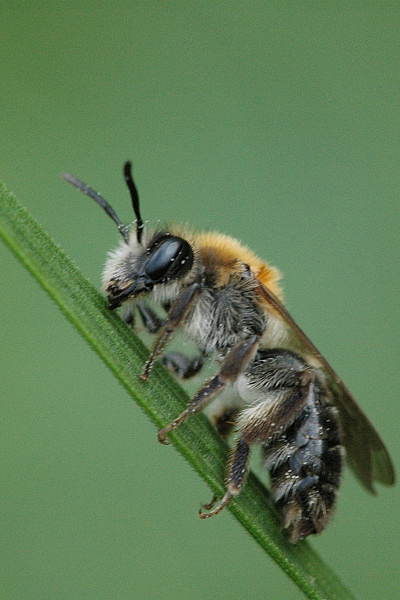
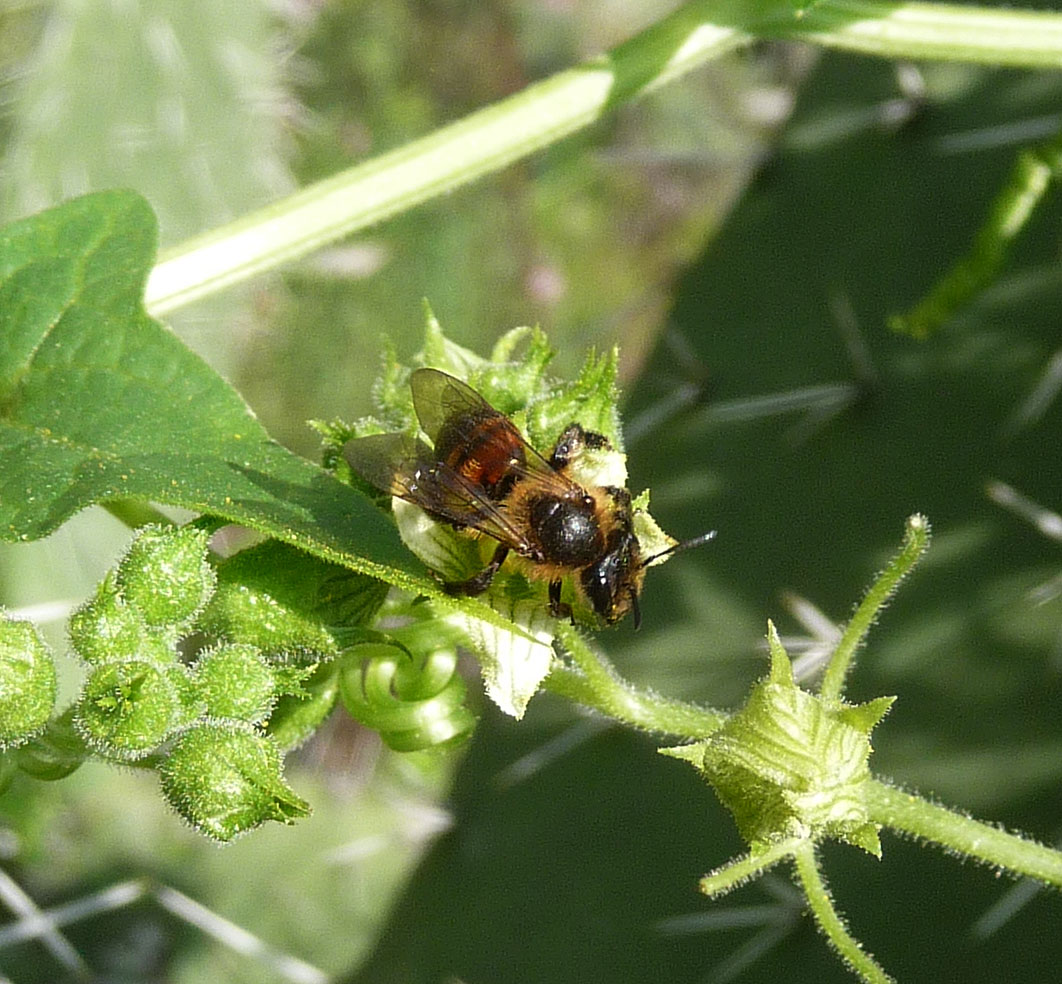
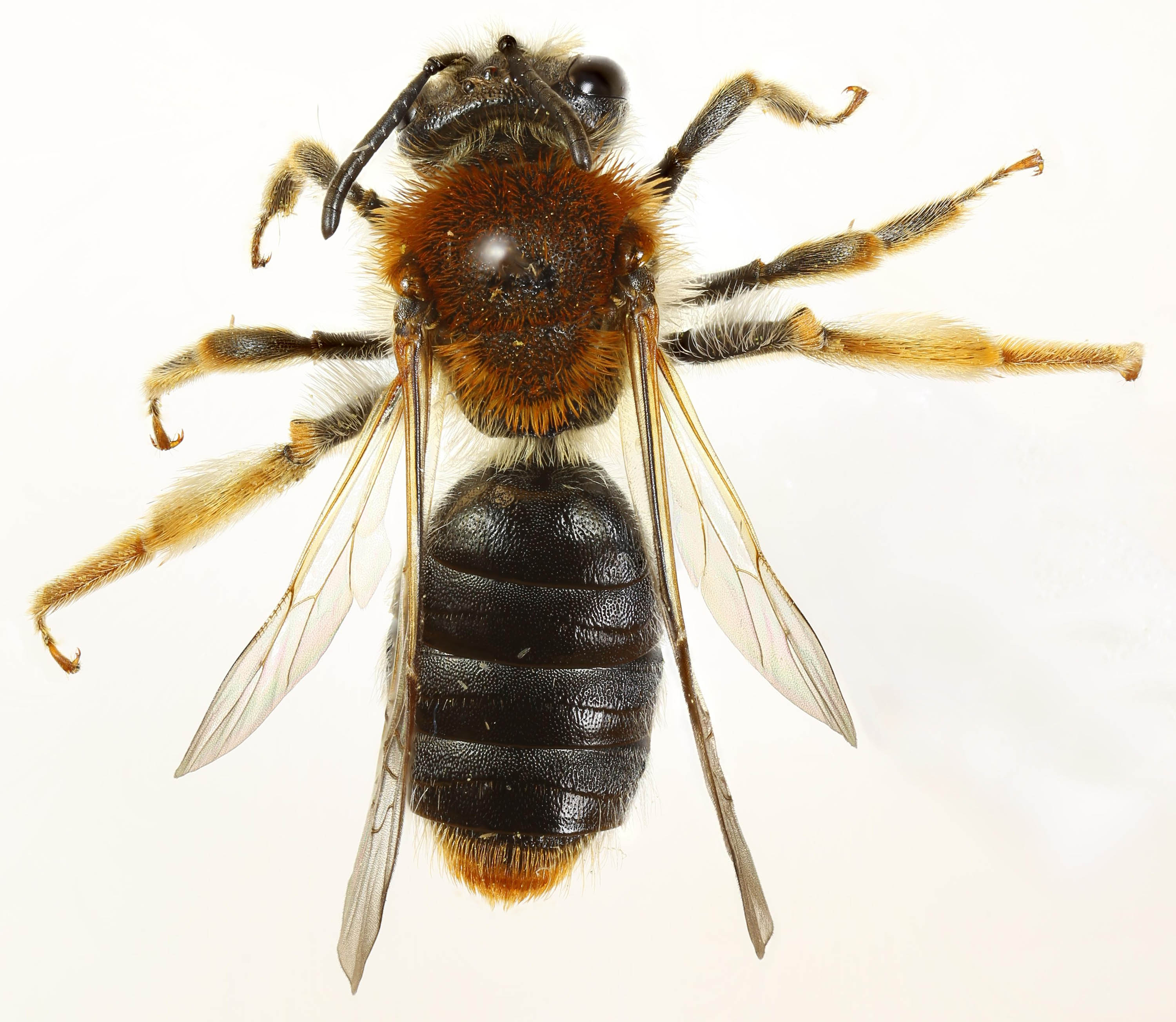
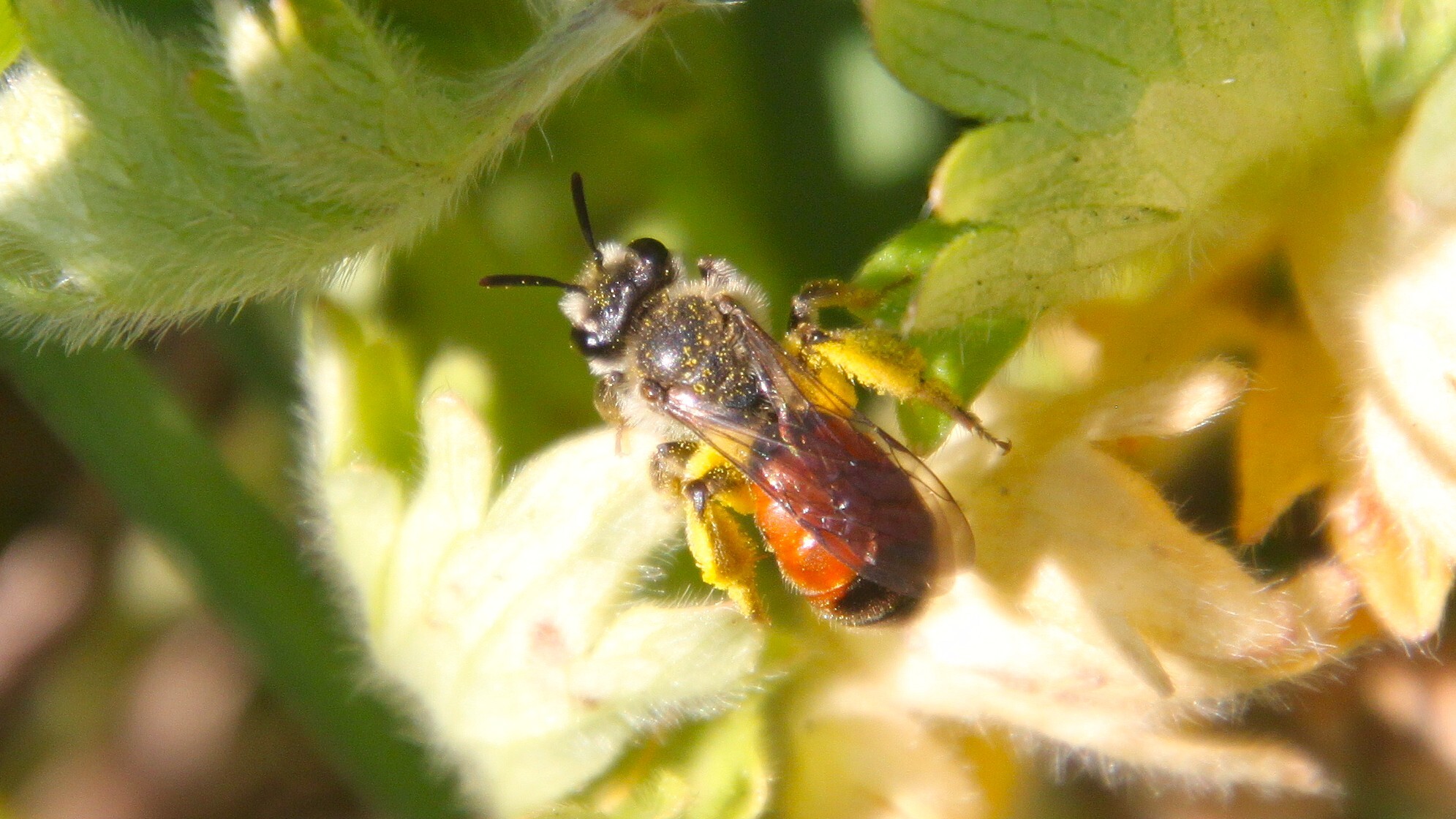
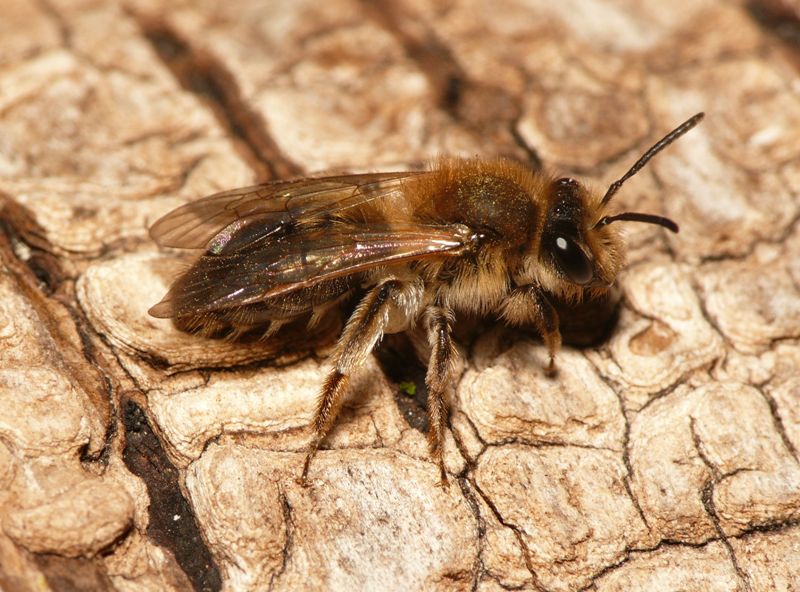
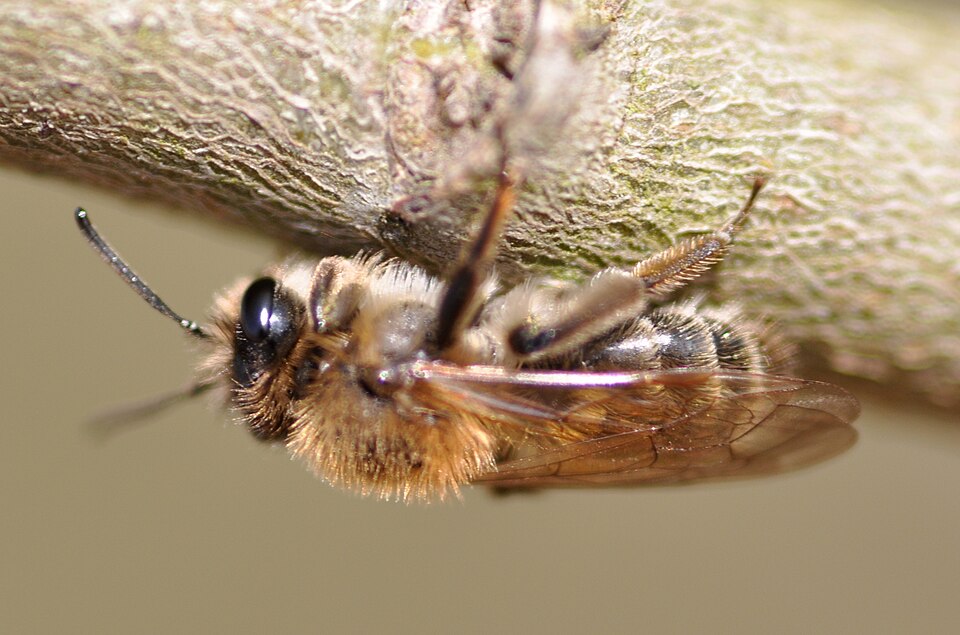
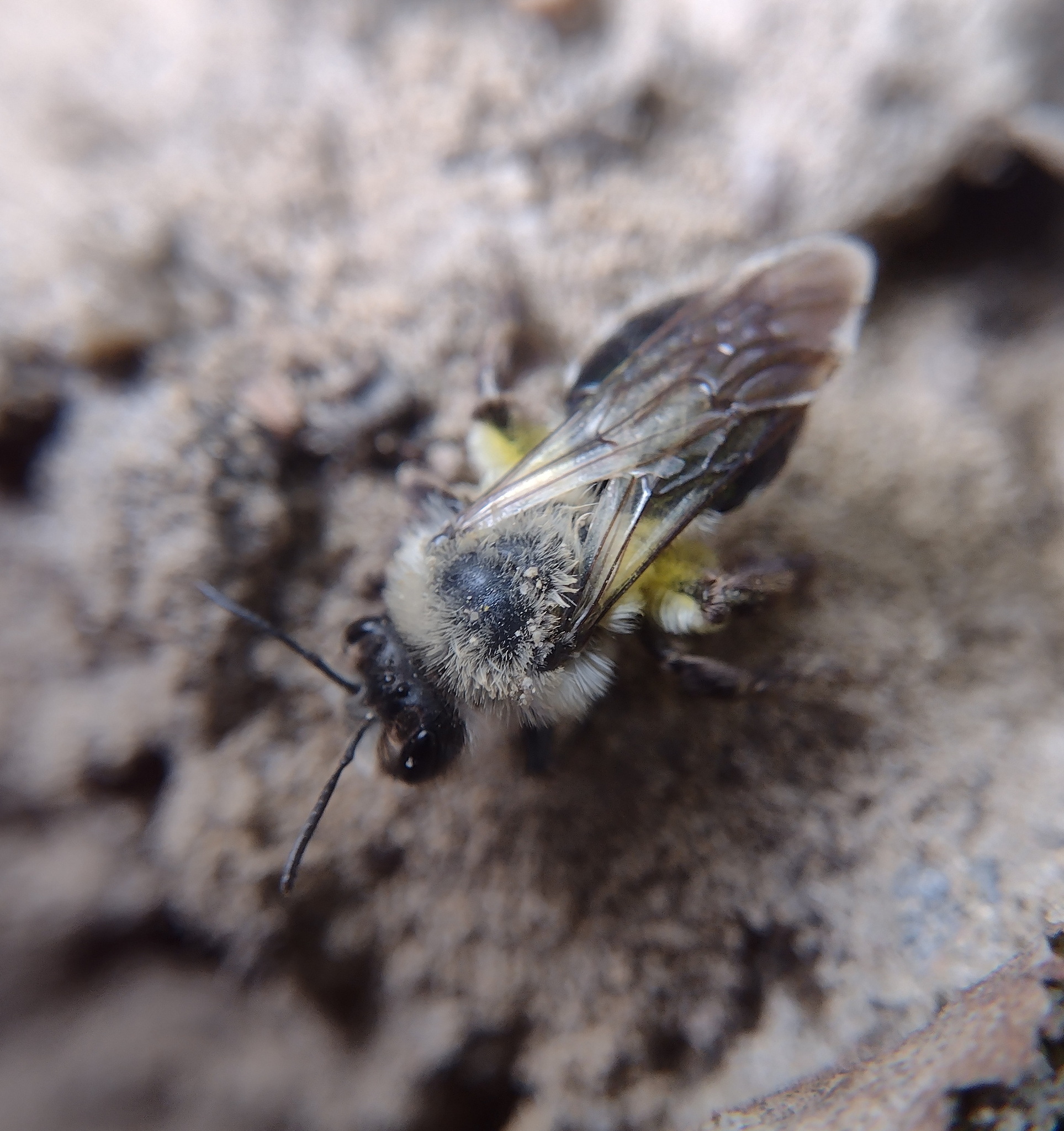
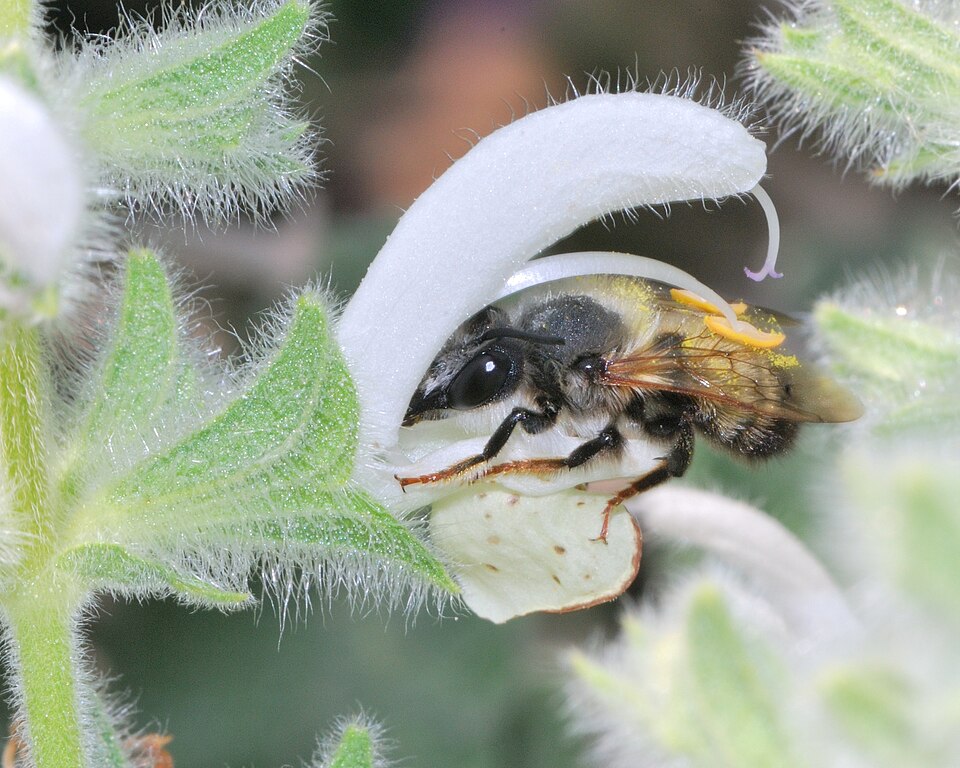
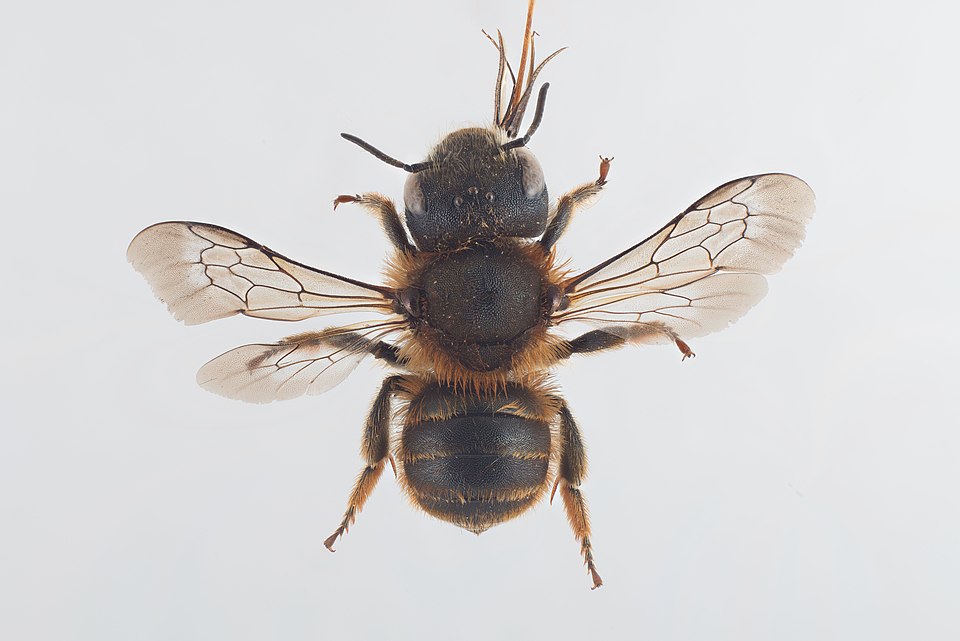
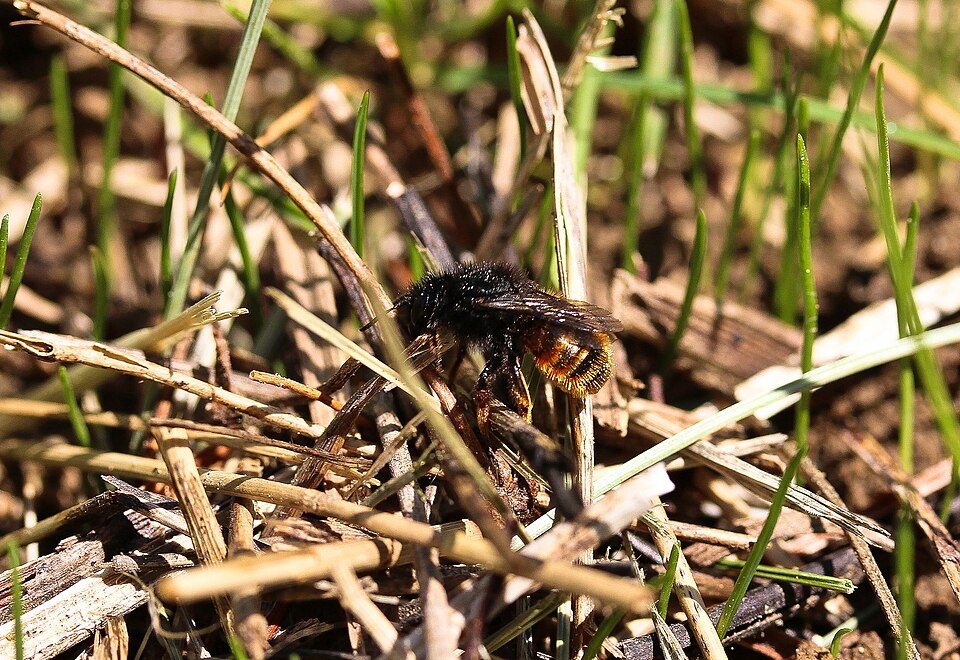
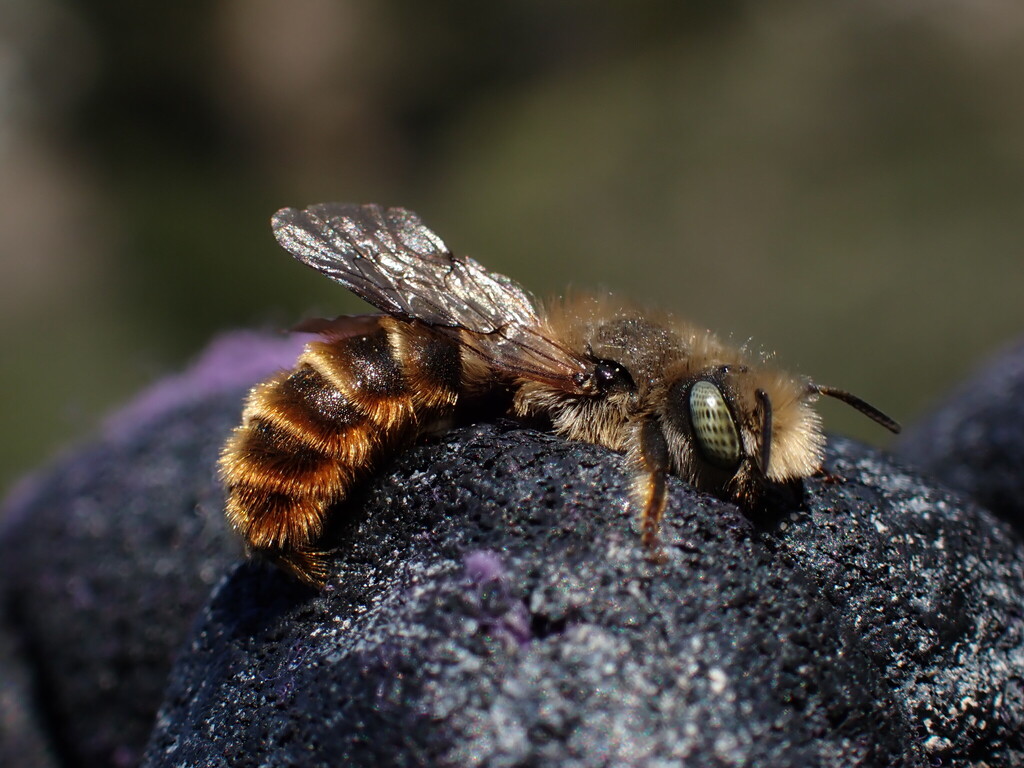
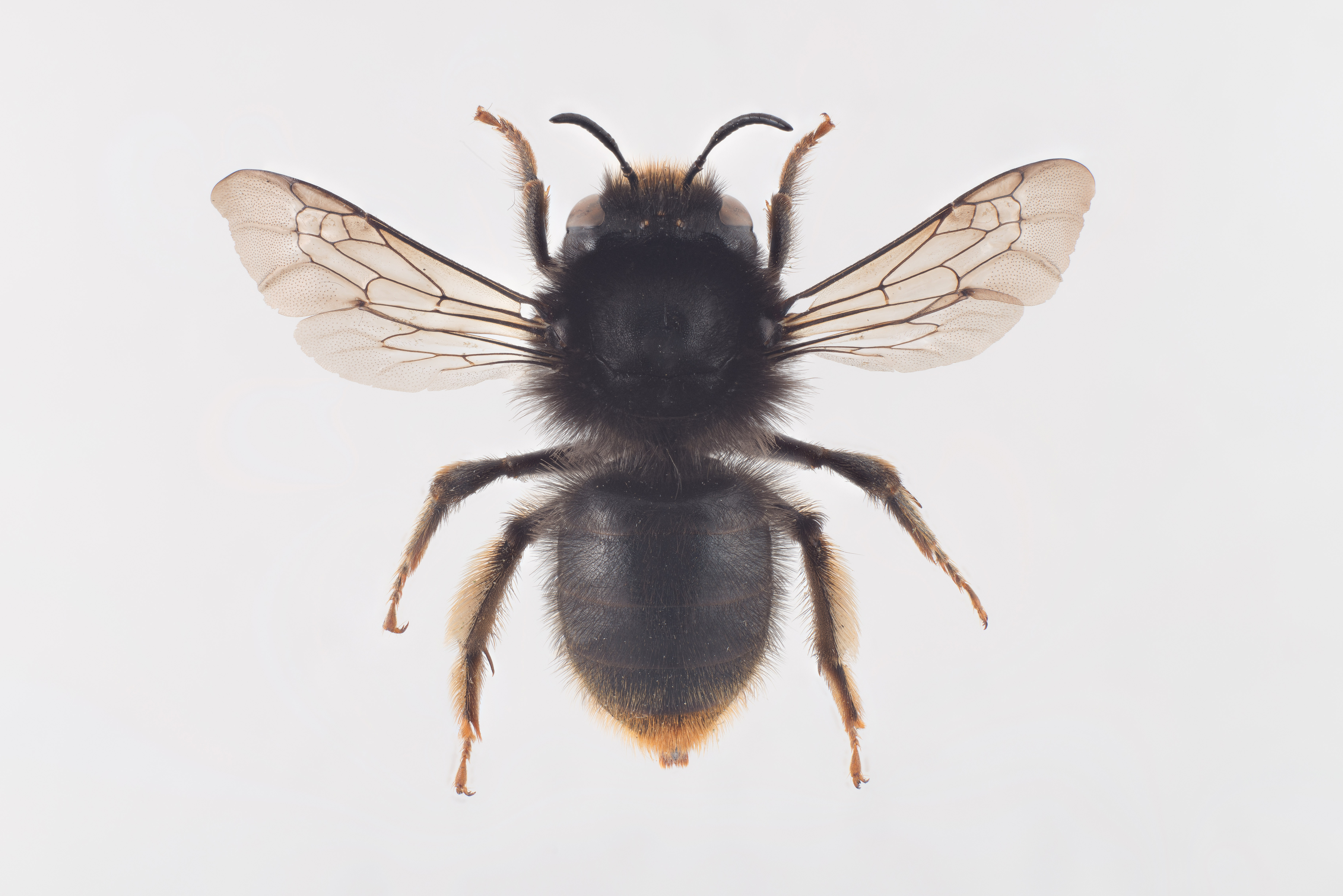
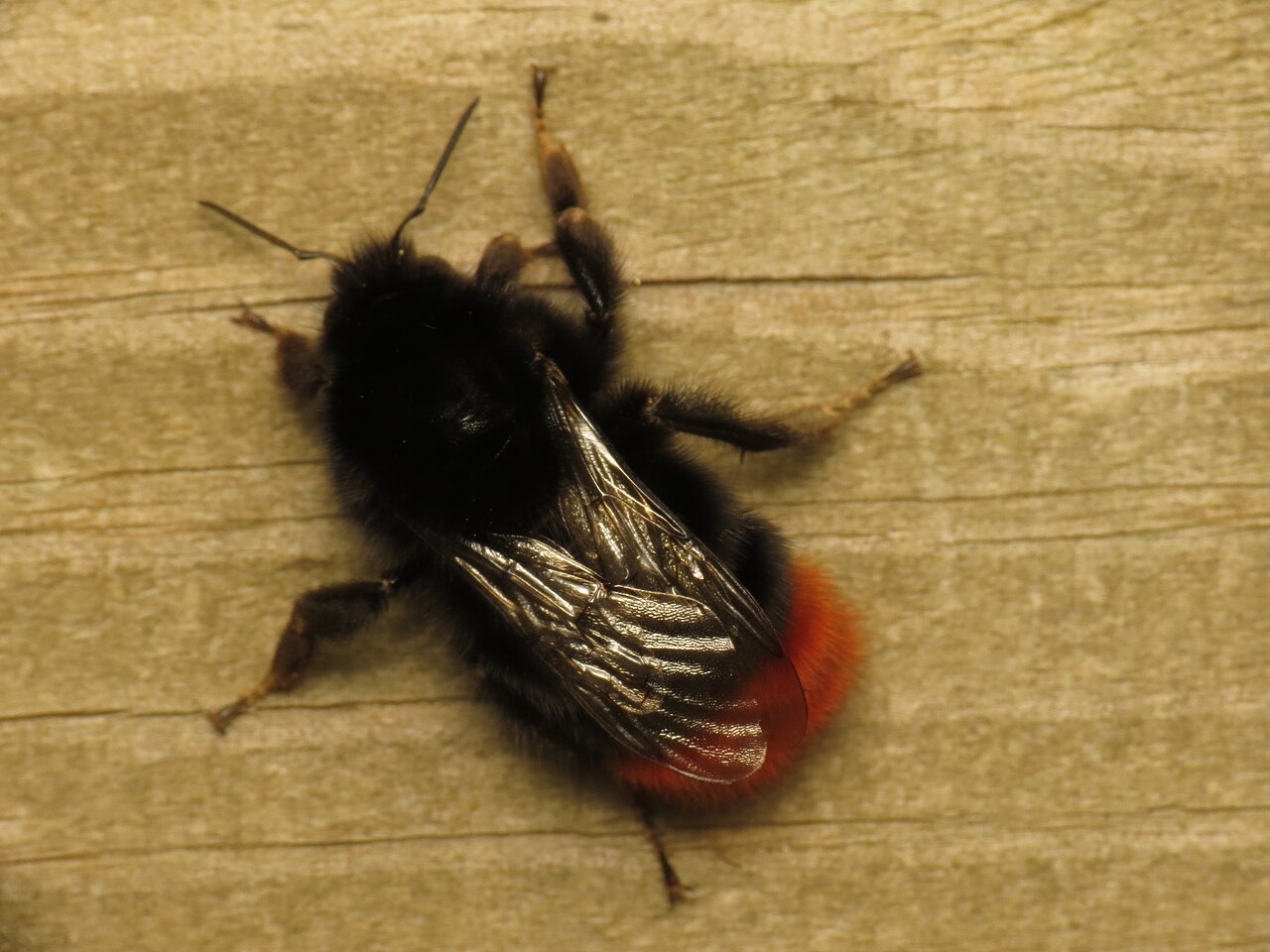
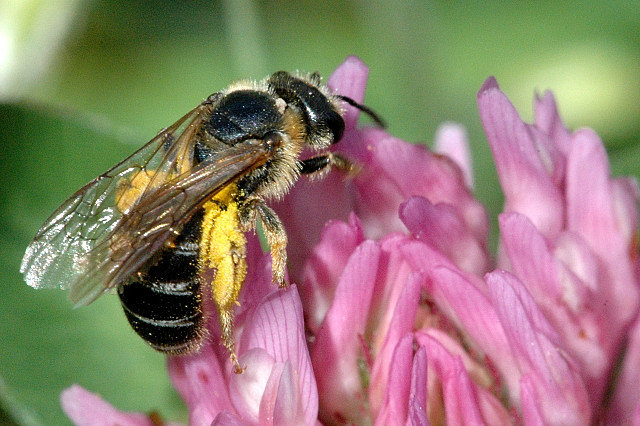
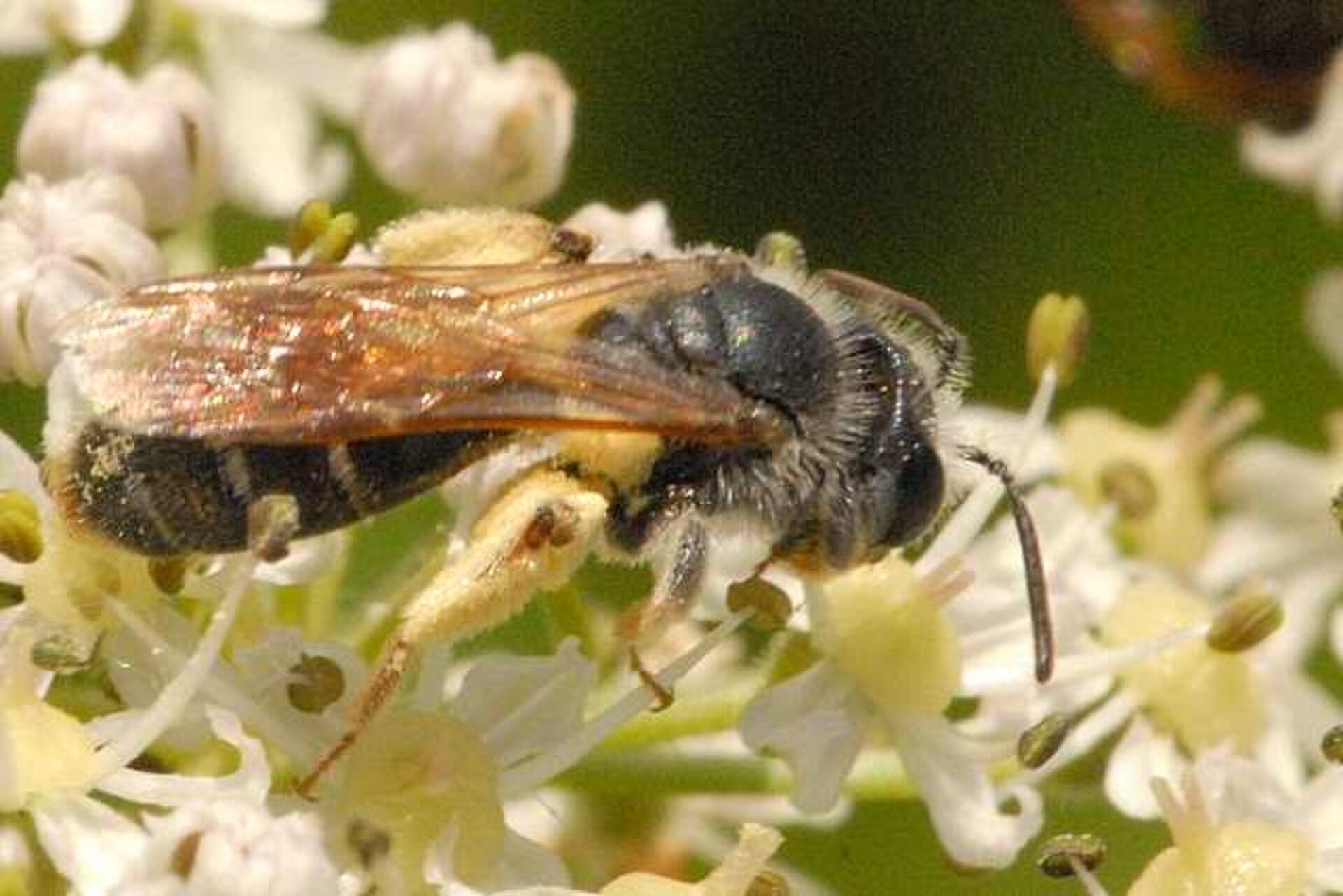
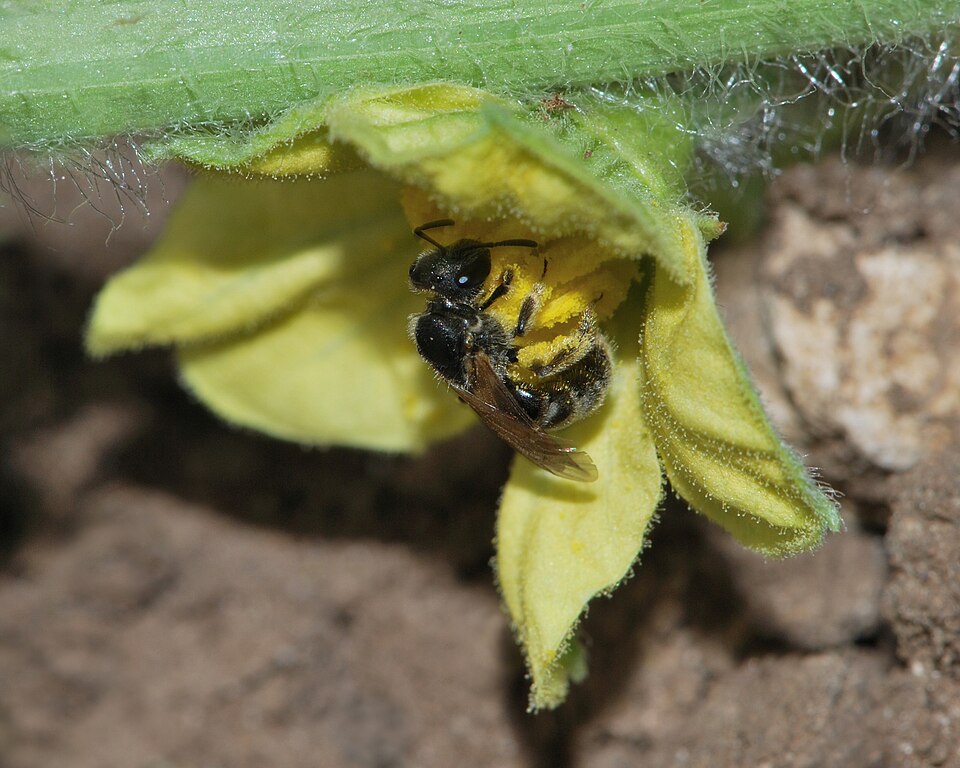
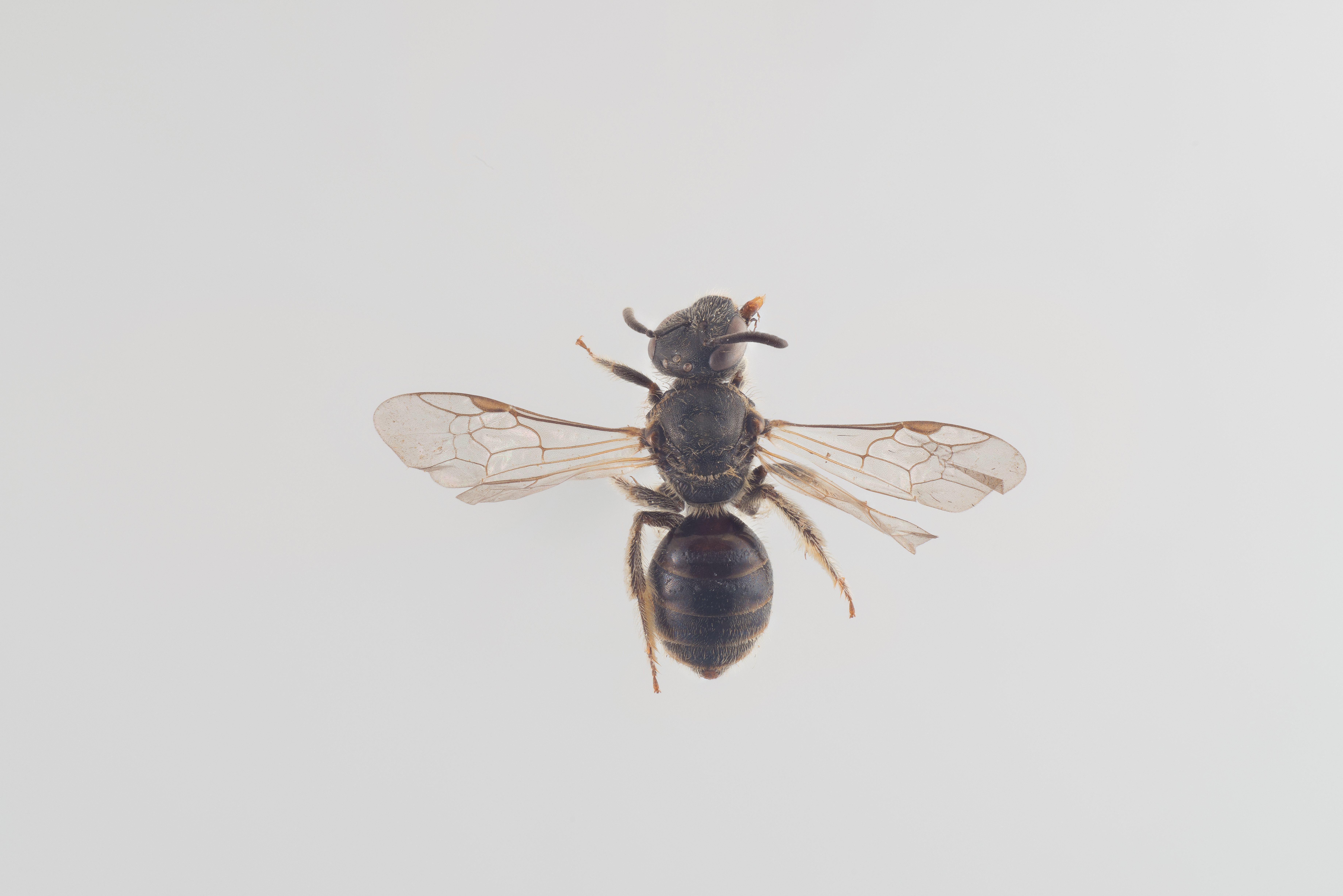
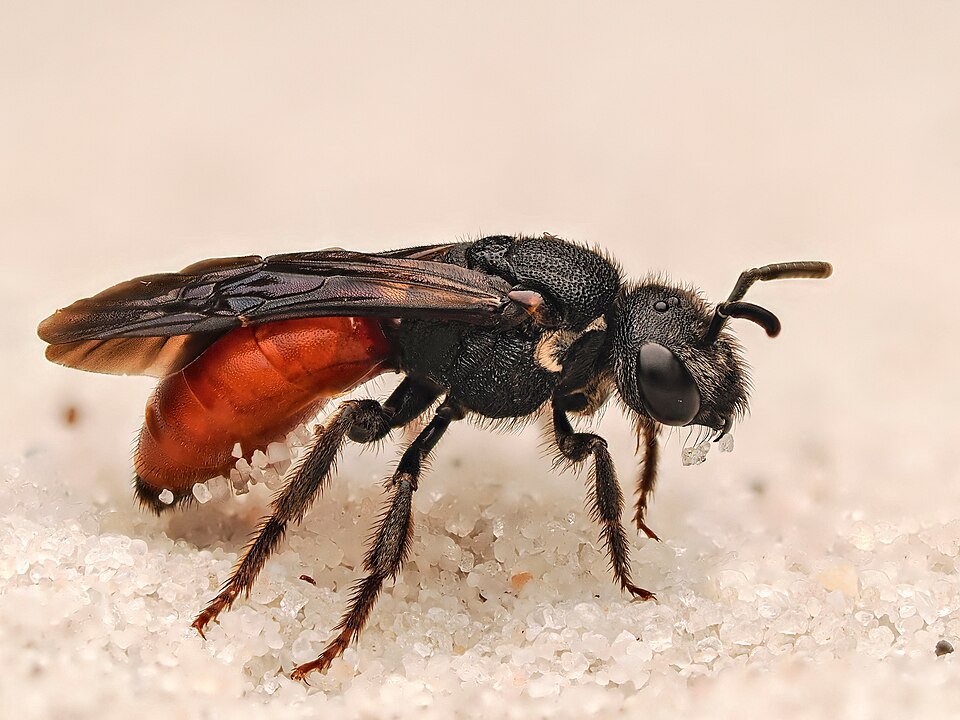
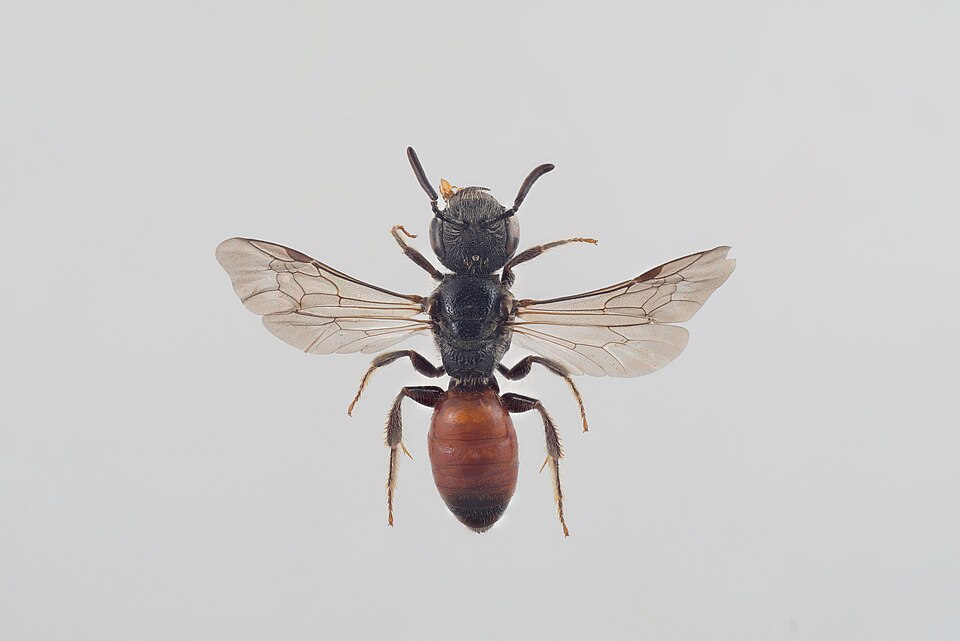
Andrena haemorrhoa
Orange-tailed Mining BeeA common spring mining bee with a distinctive orange-red tail. It visits a wide variety of flowers and nests in bare soil patches in gardens and meadows.
USGS Bee Inventory and Monitoring Lab / Public Domain
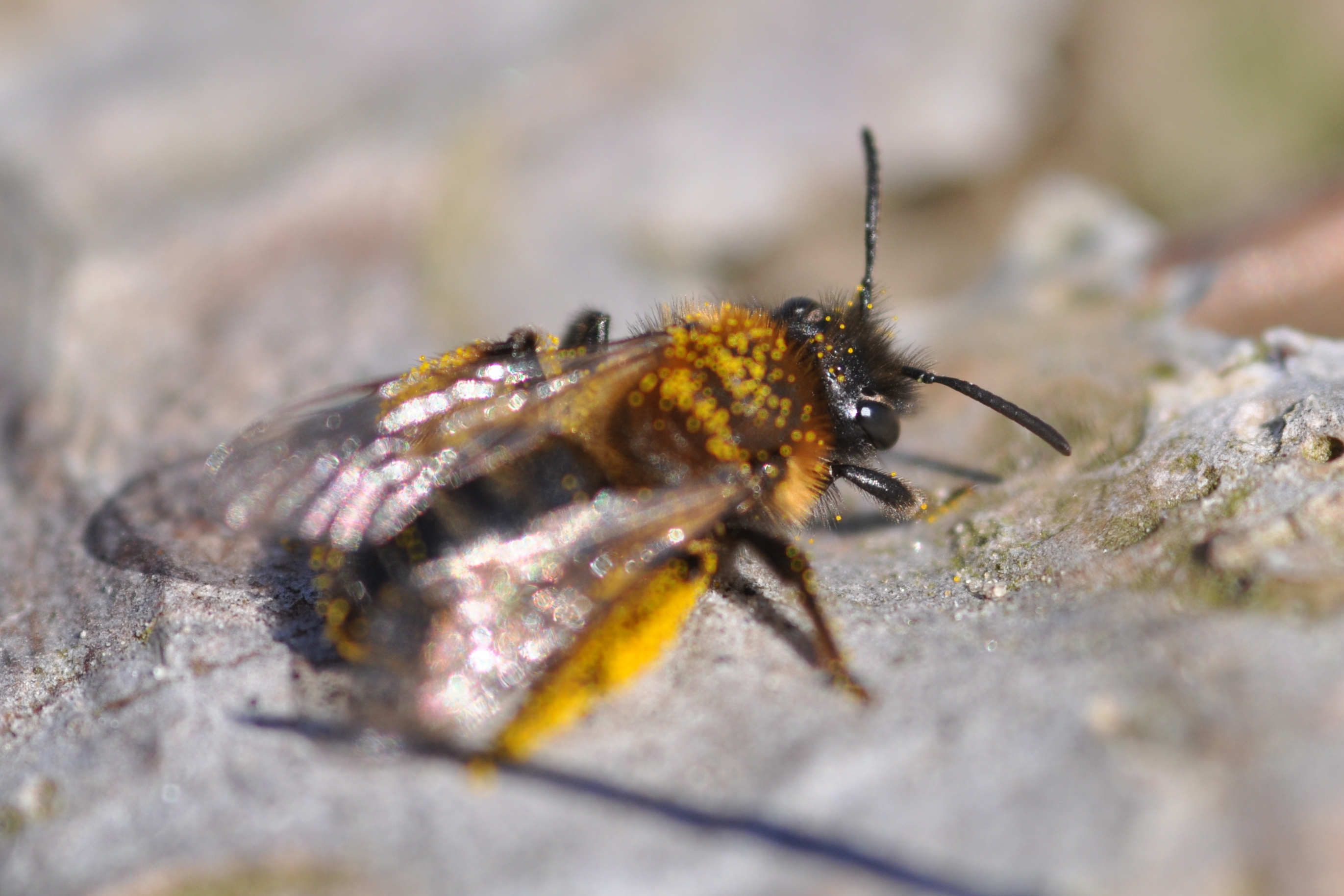
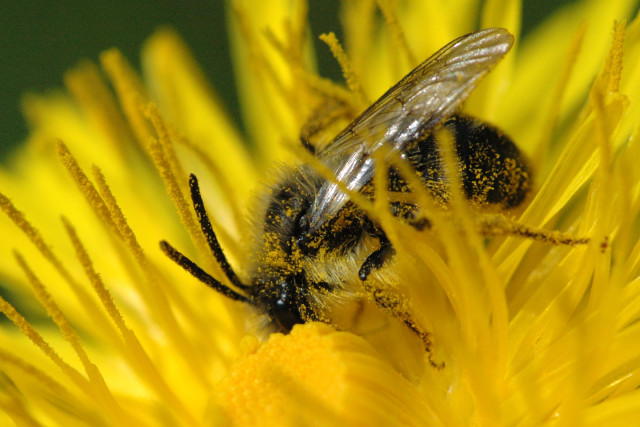
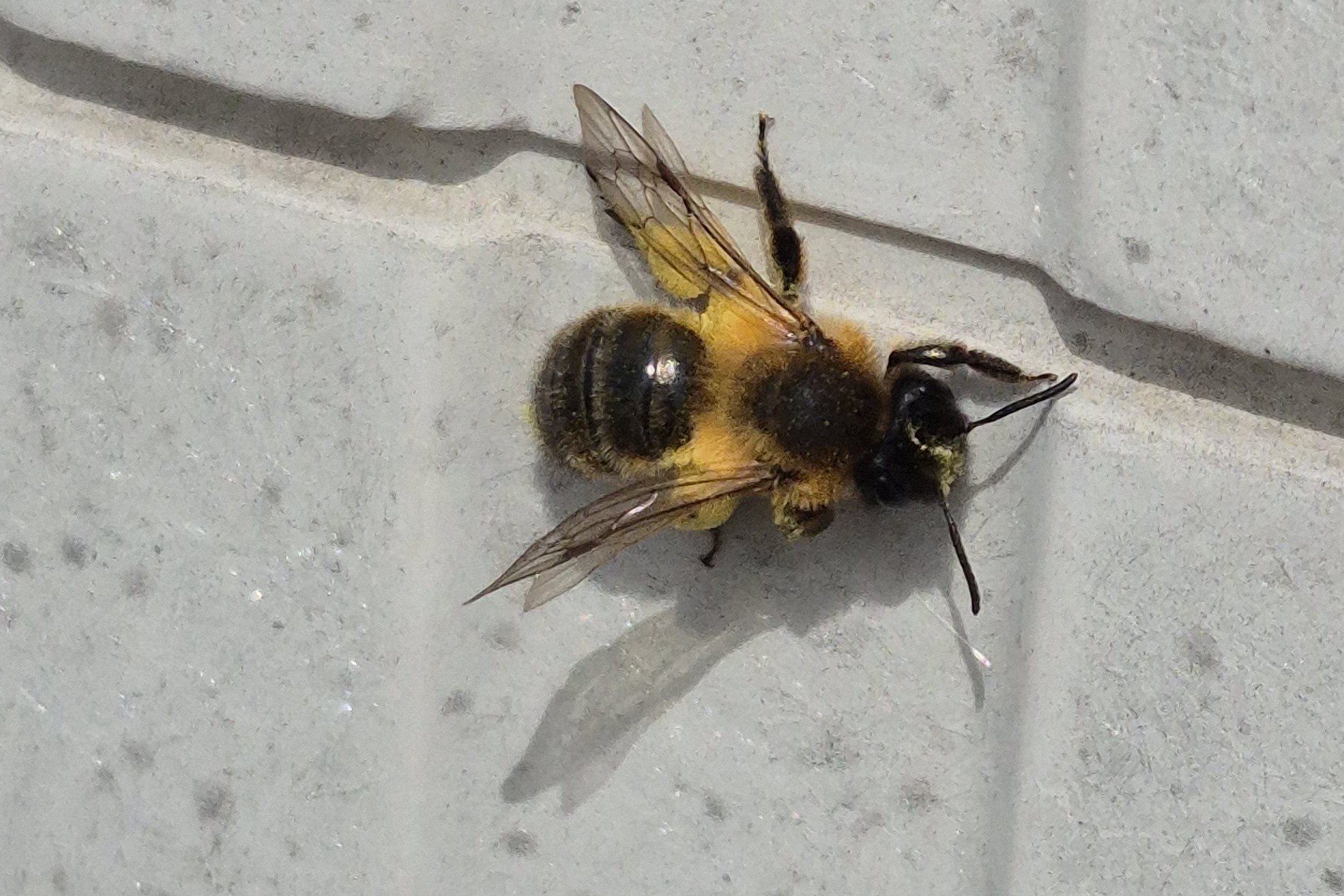
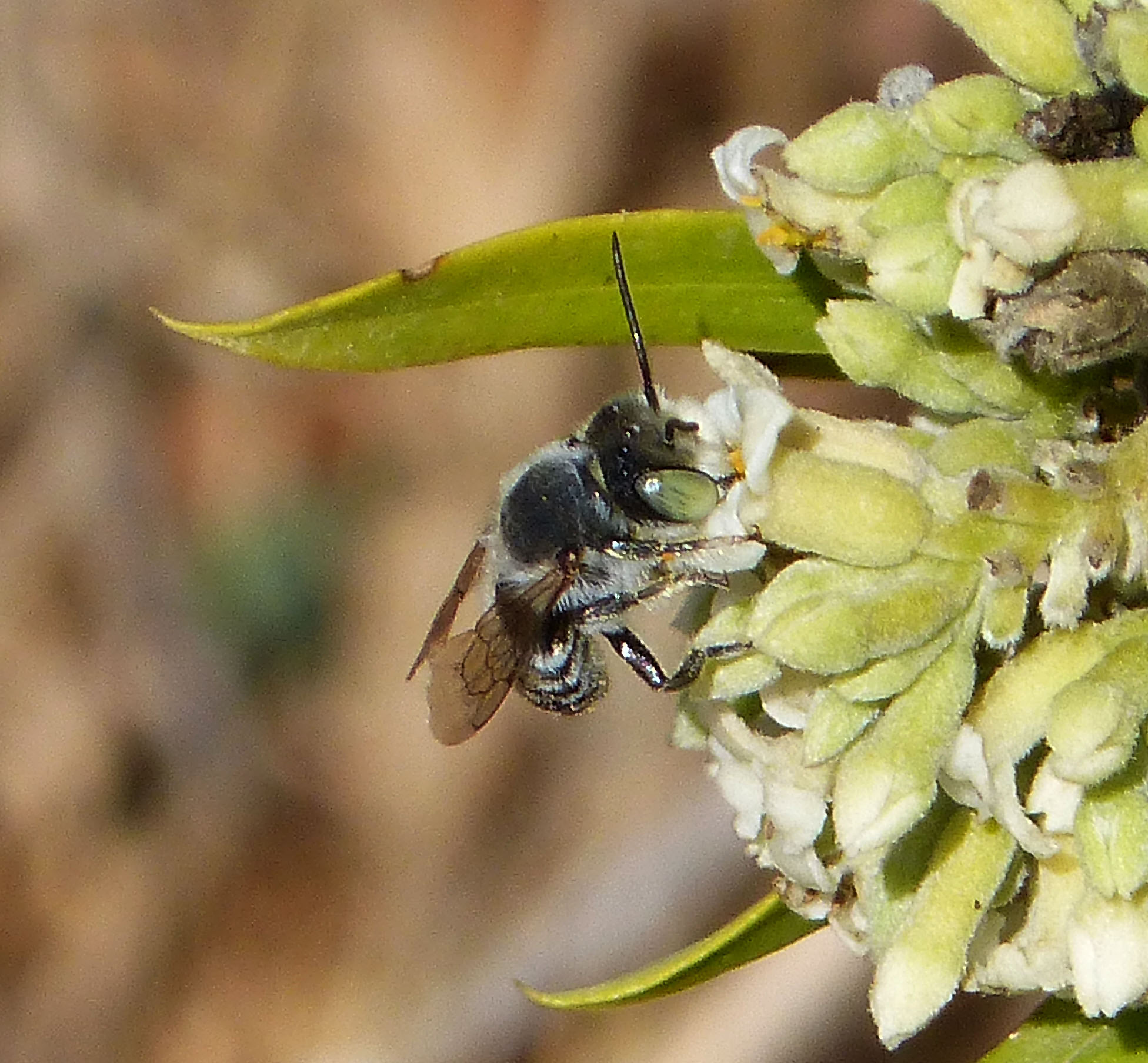
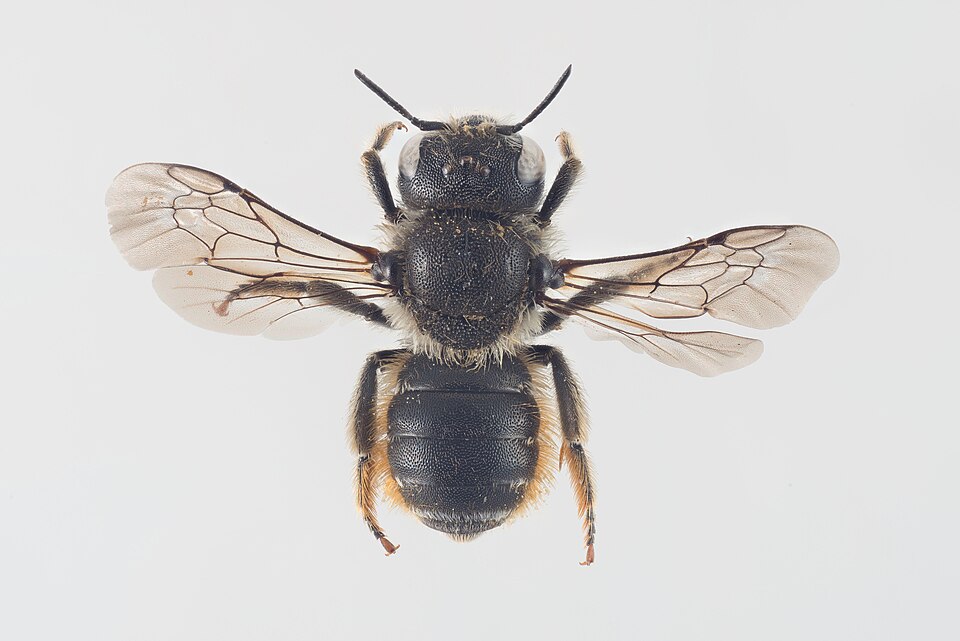
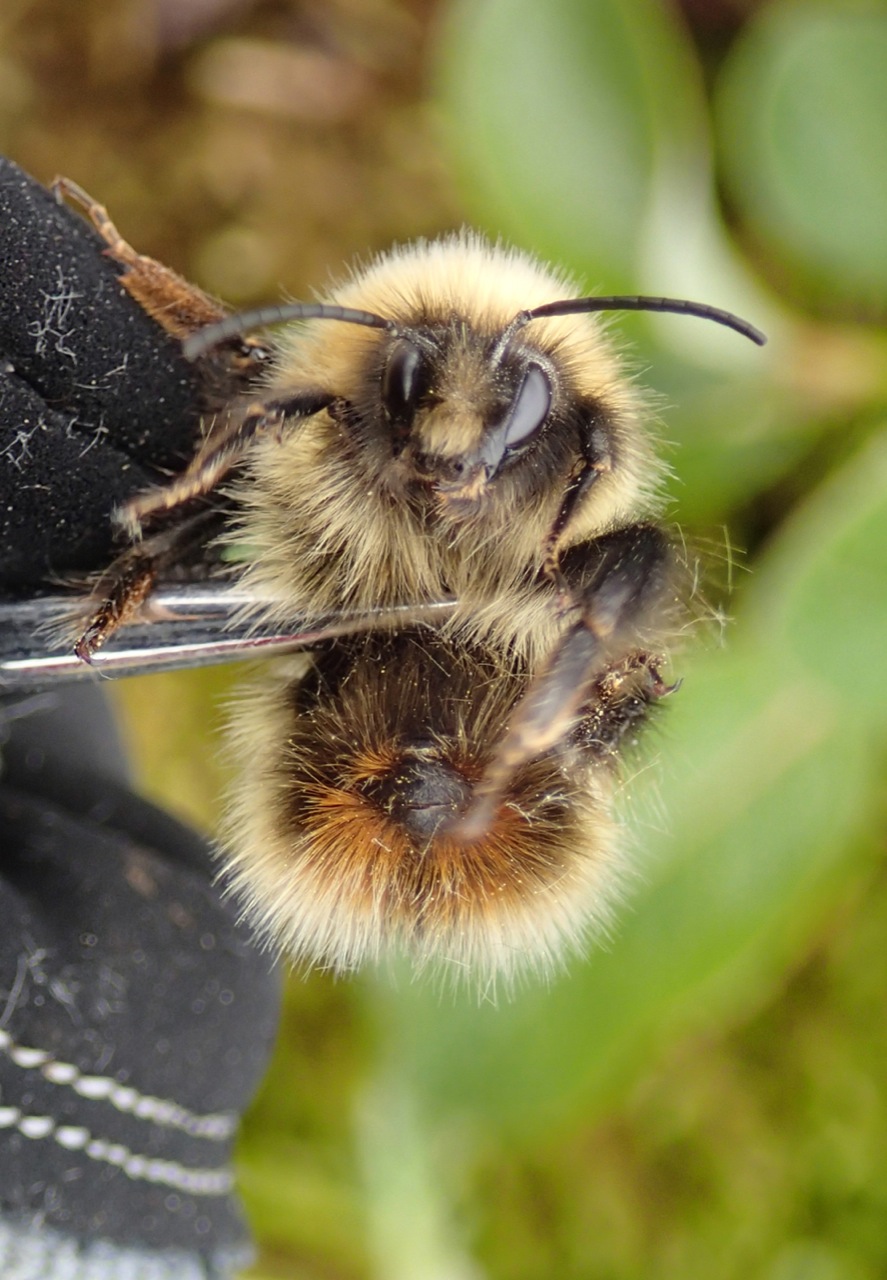
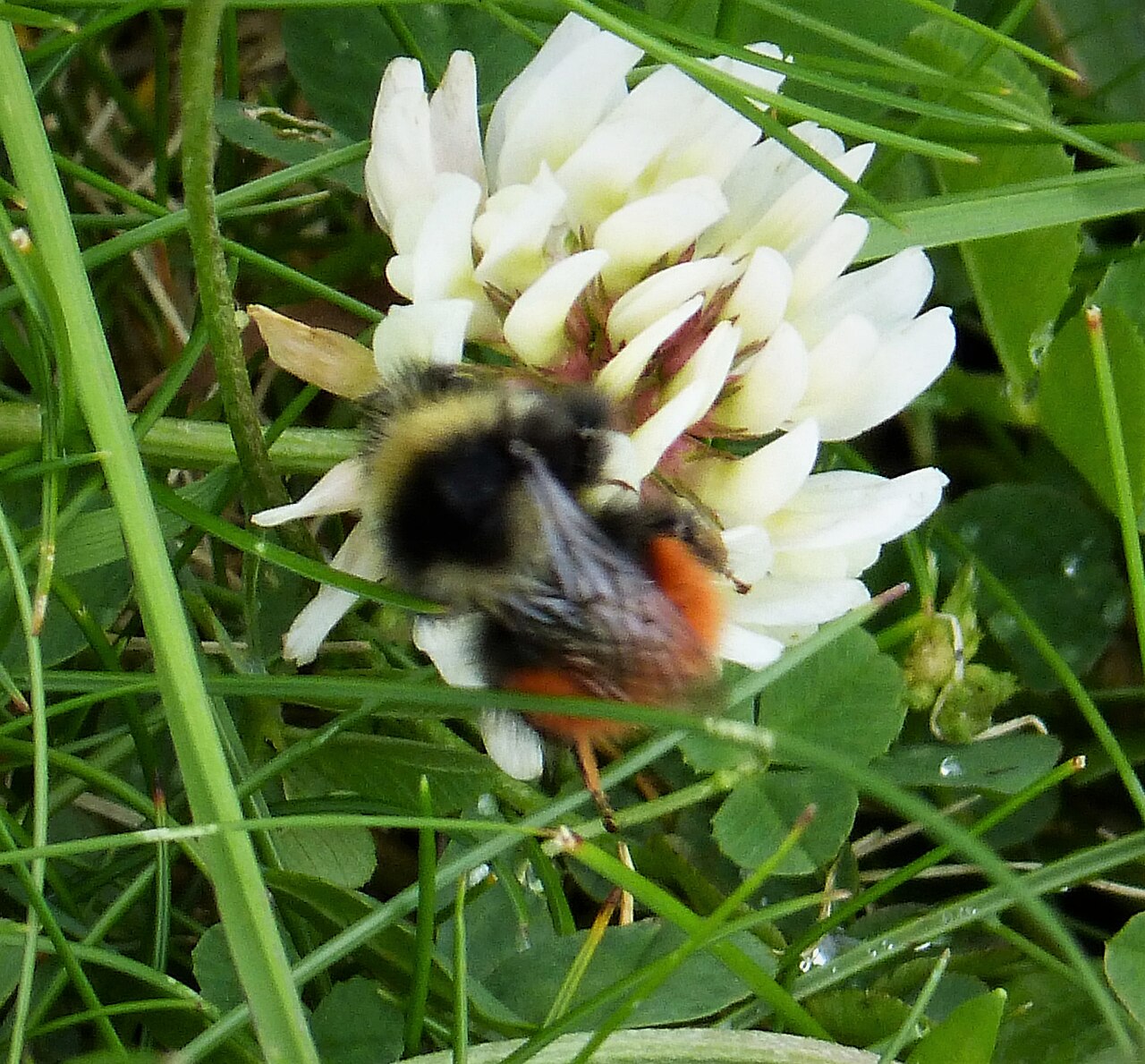
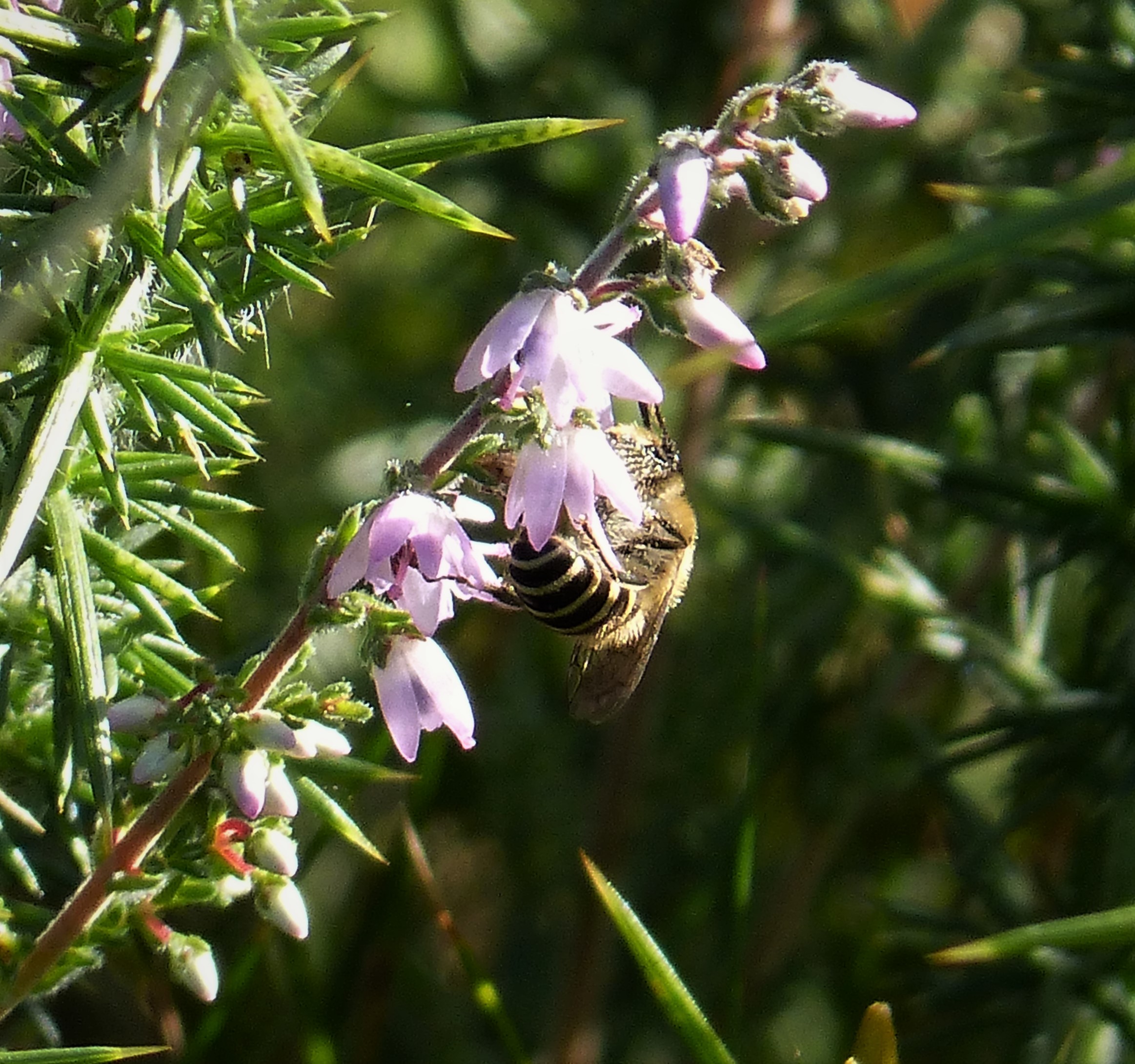
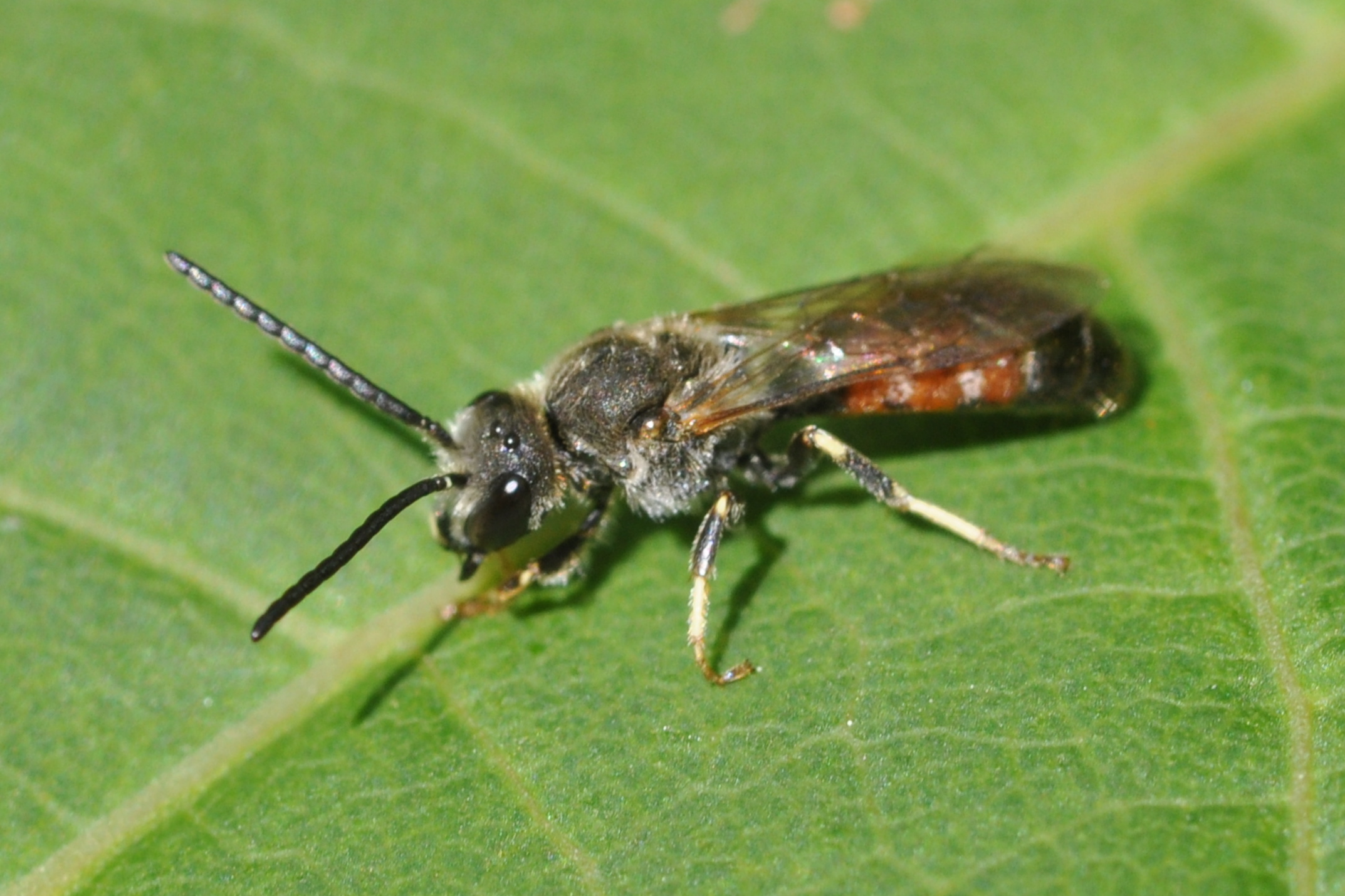
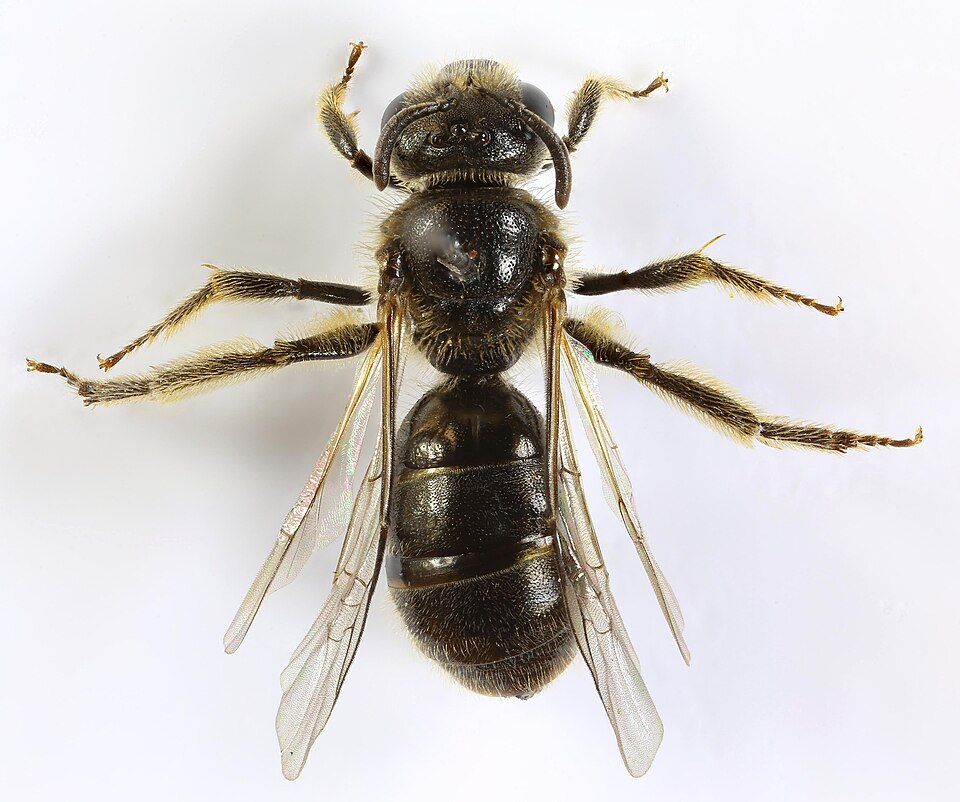
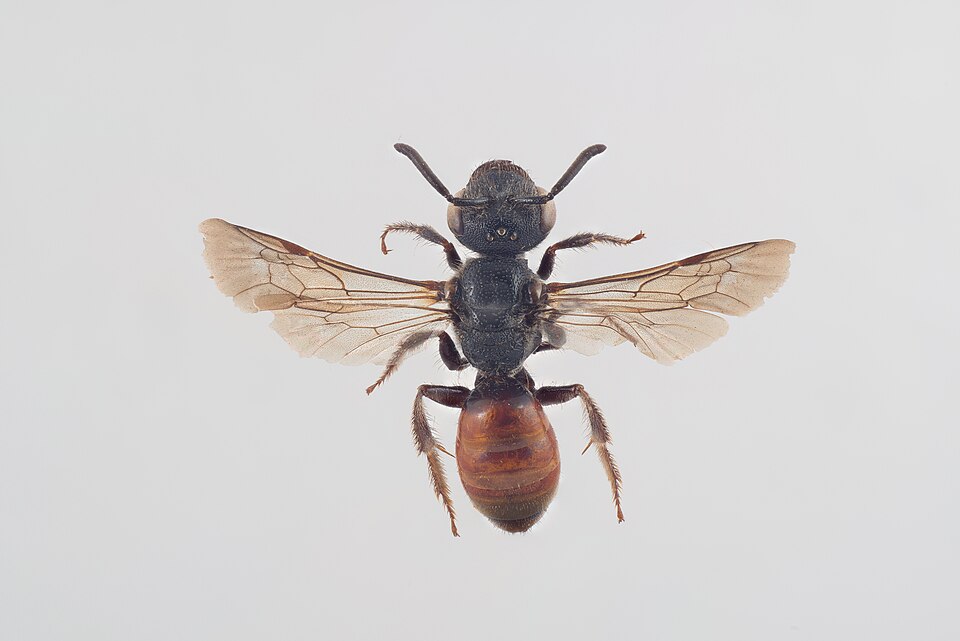
Andrena lapponica
Heather Mining BeeA specialist pollinator of blueberries and heather, this mining bee is found in acidic soils across northern regions and alpine meadows.
USGS Bee Inventory and Monitoring Lab / Public Domain
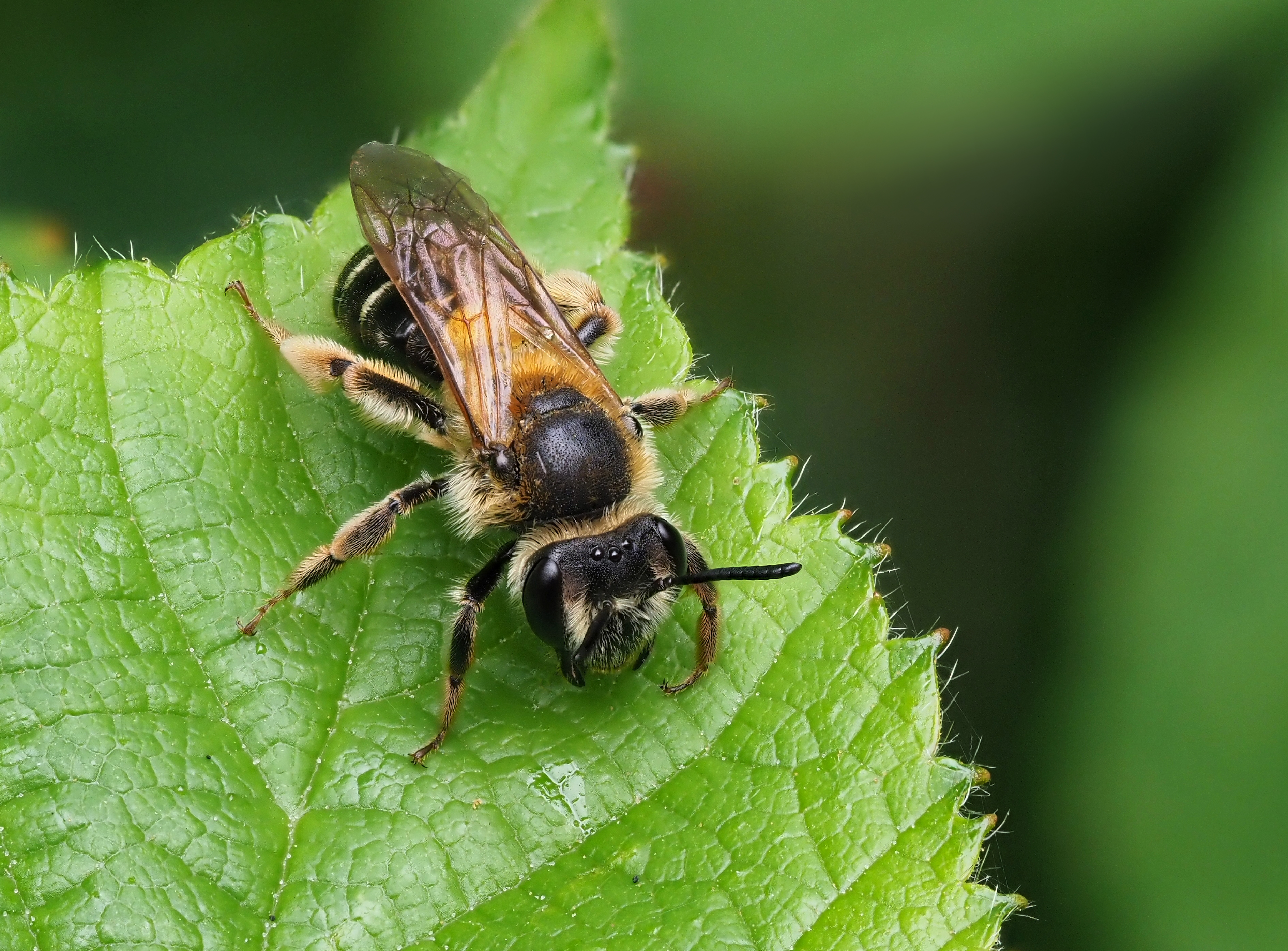
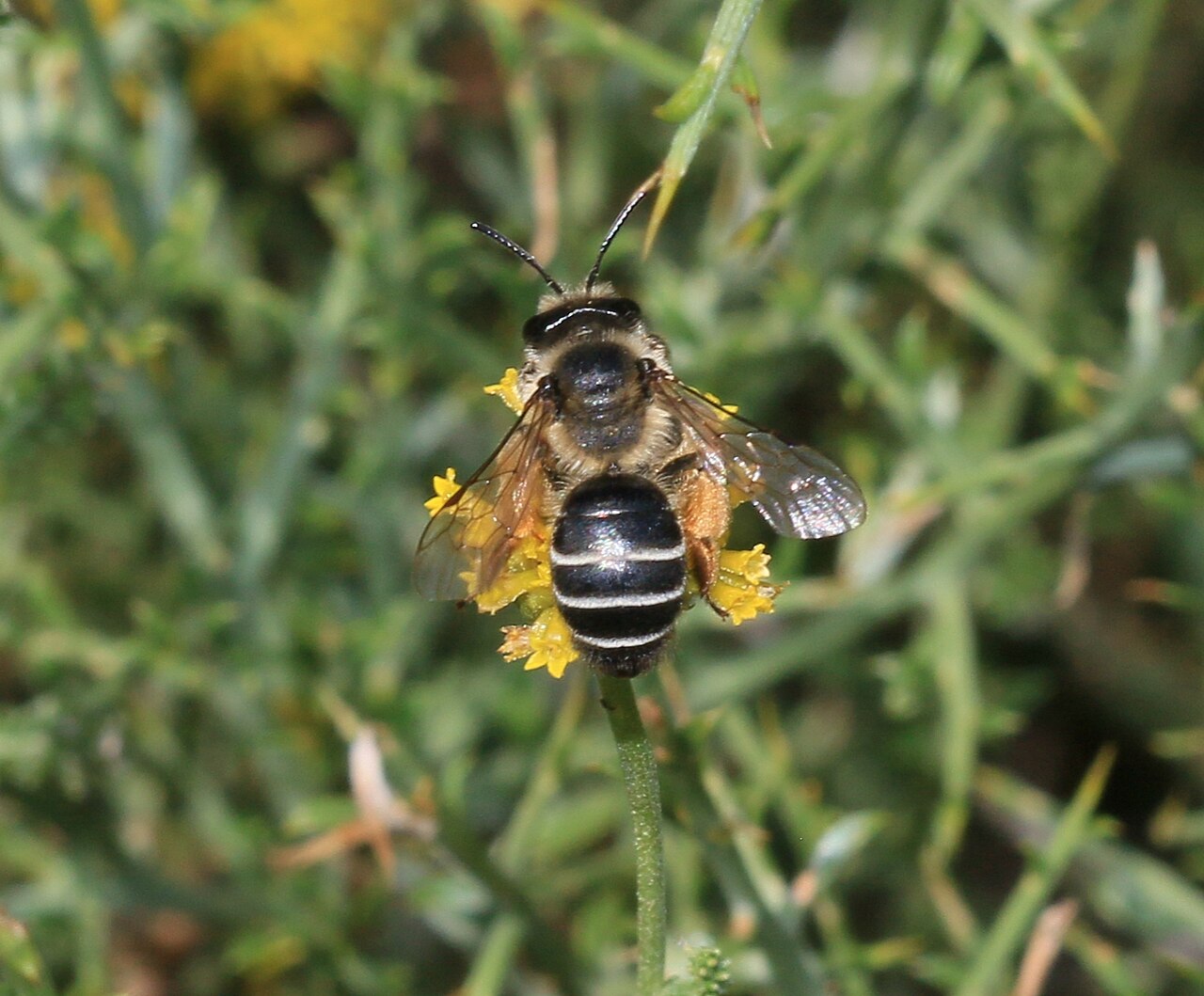
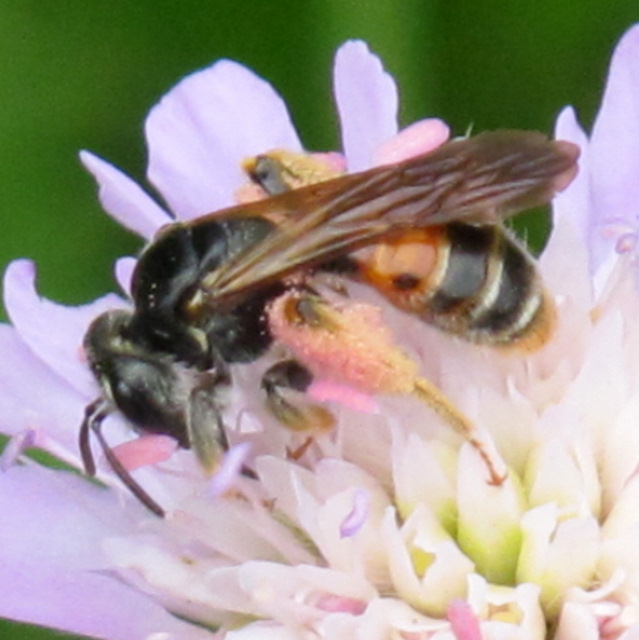
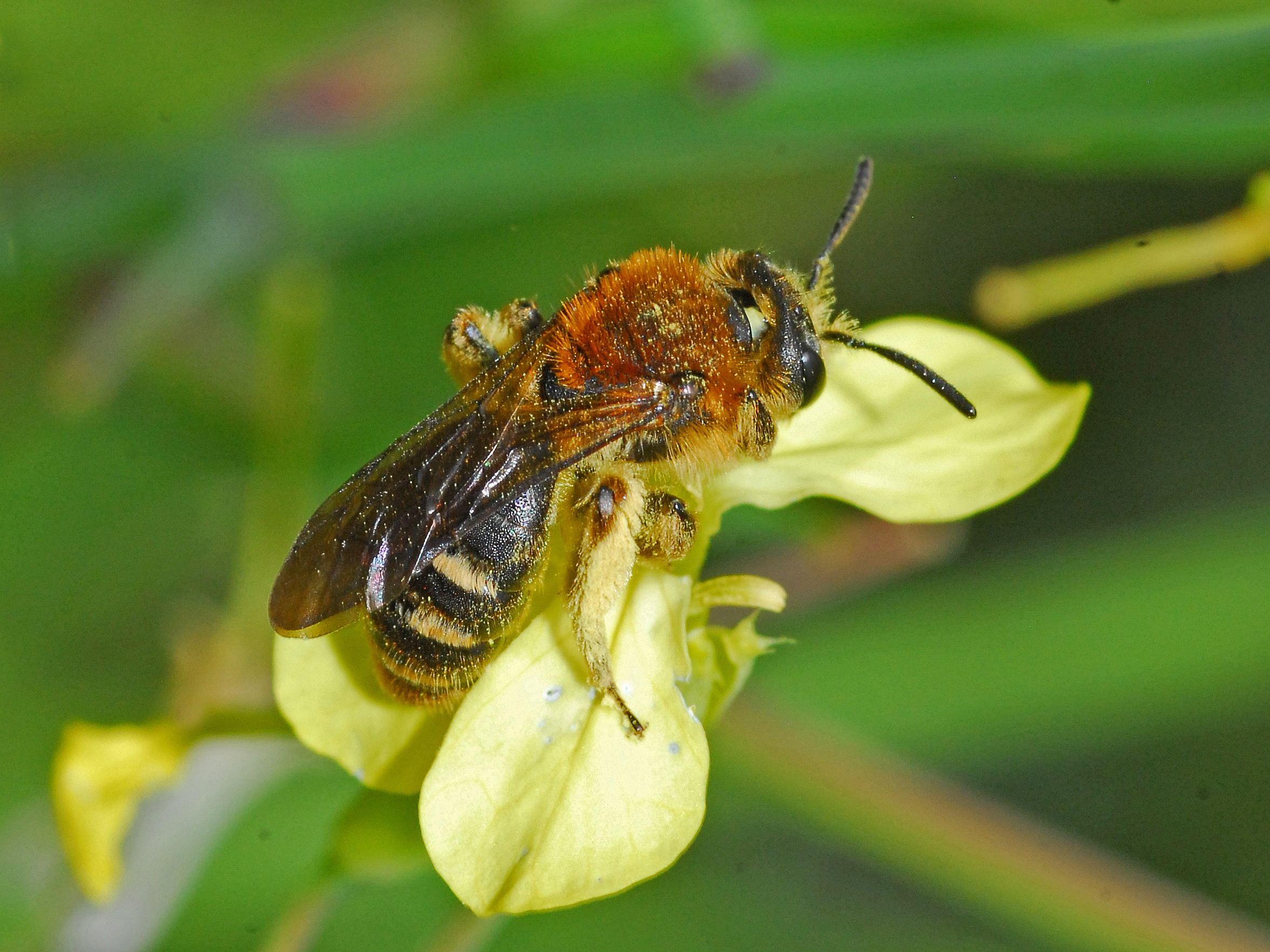
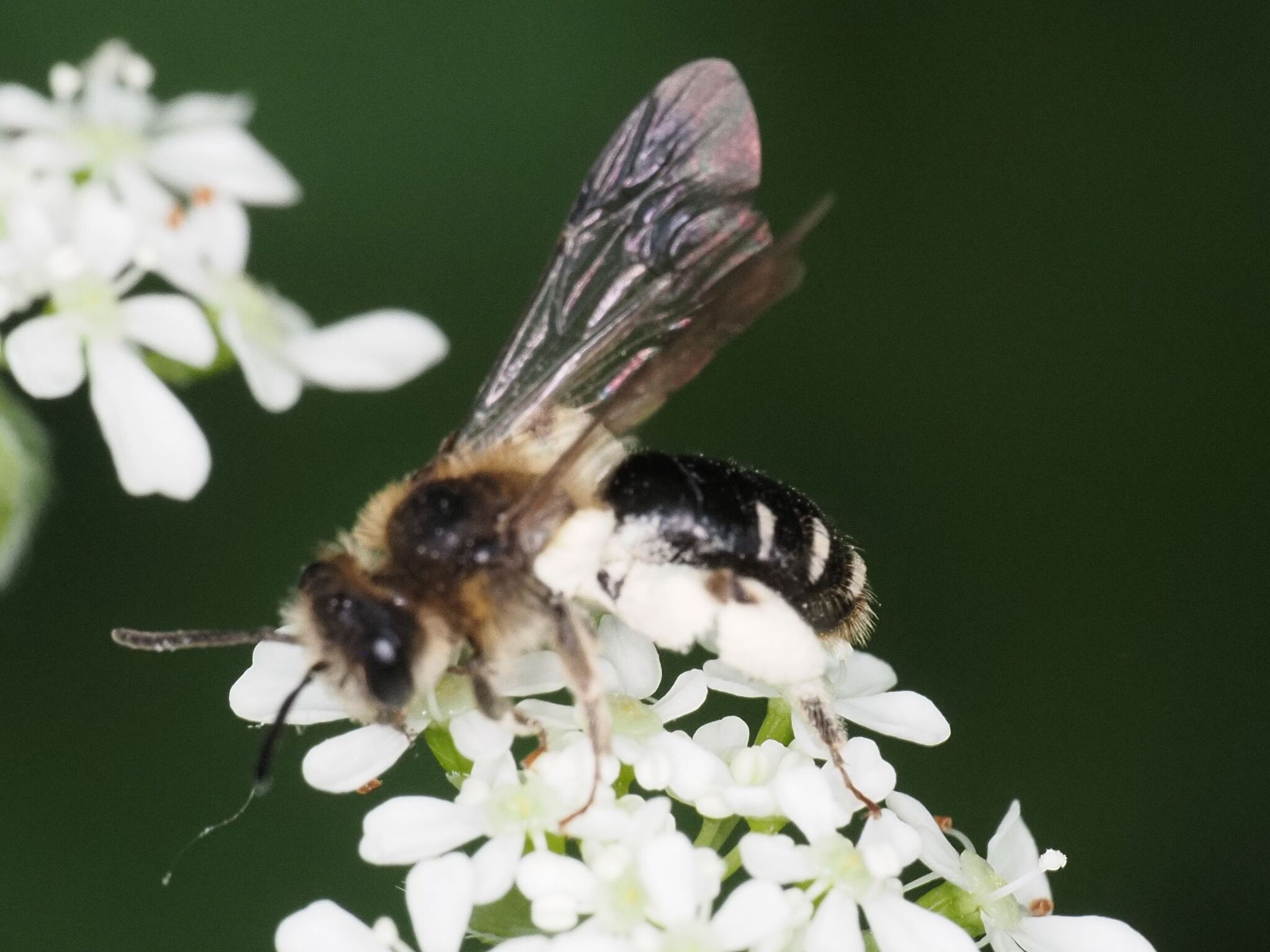
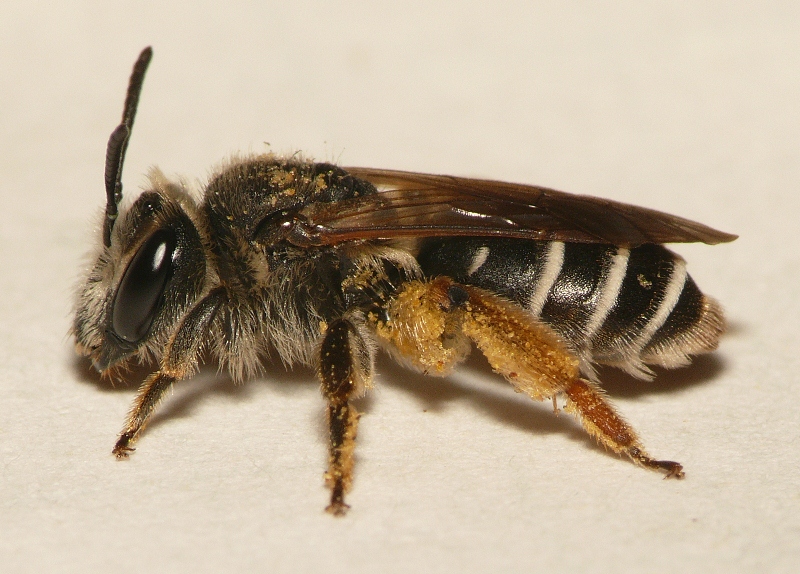
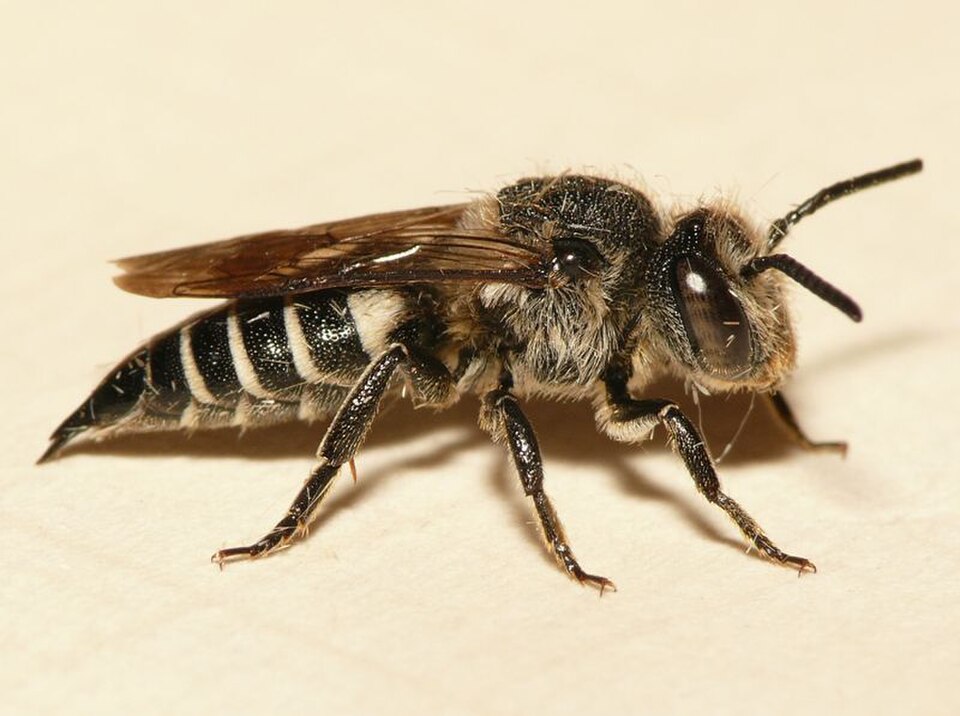
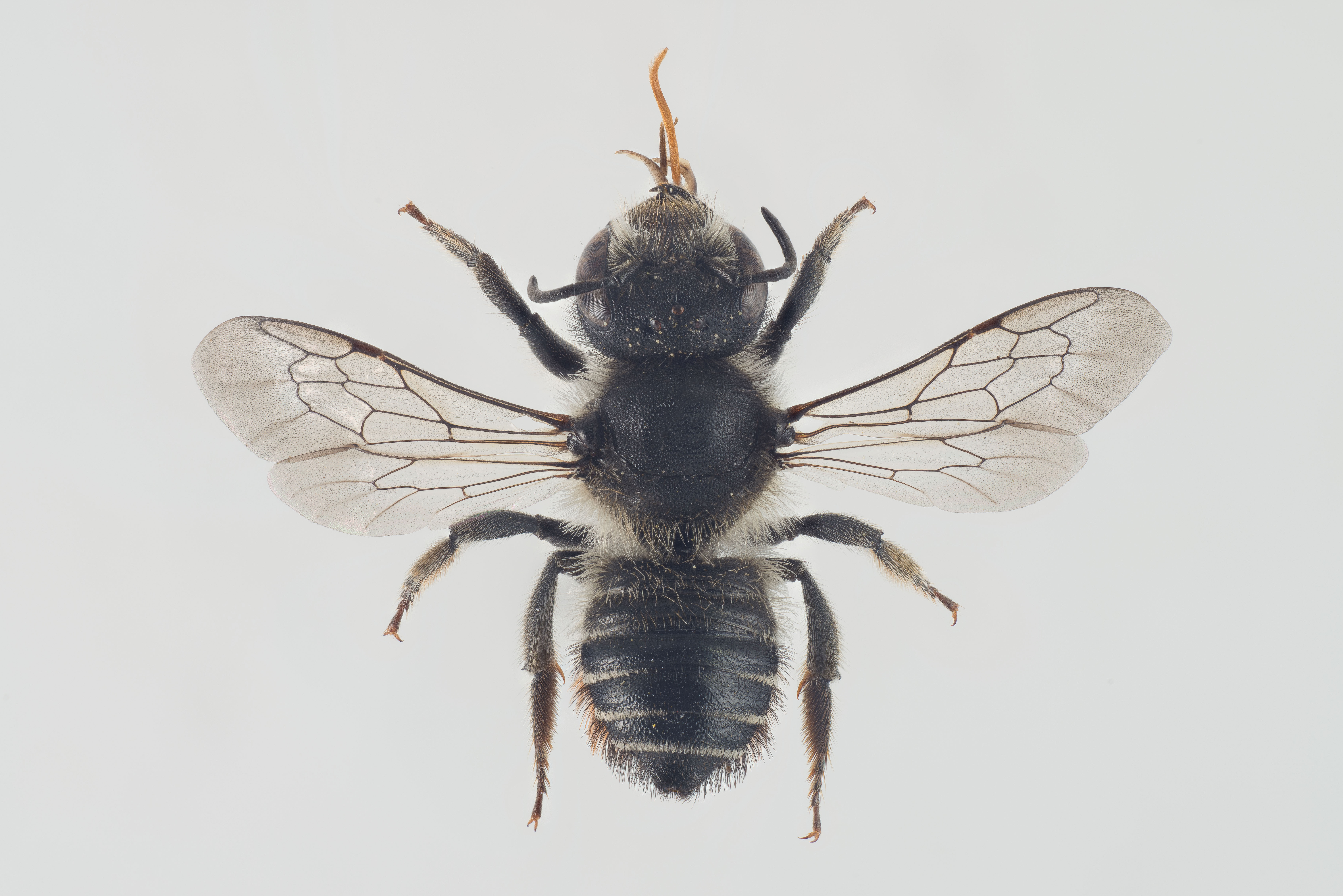
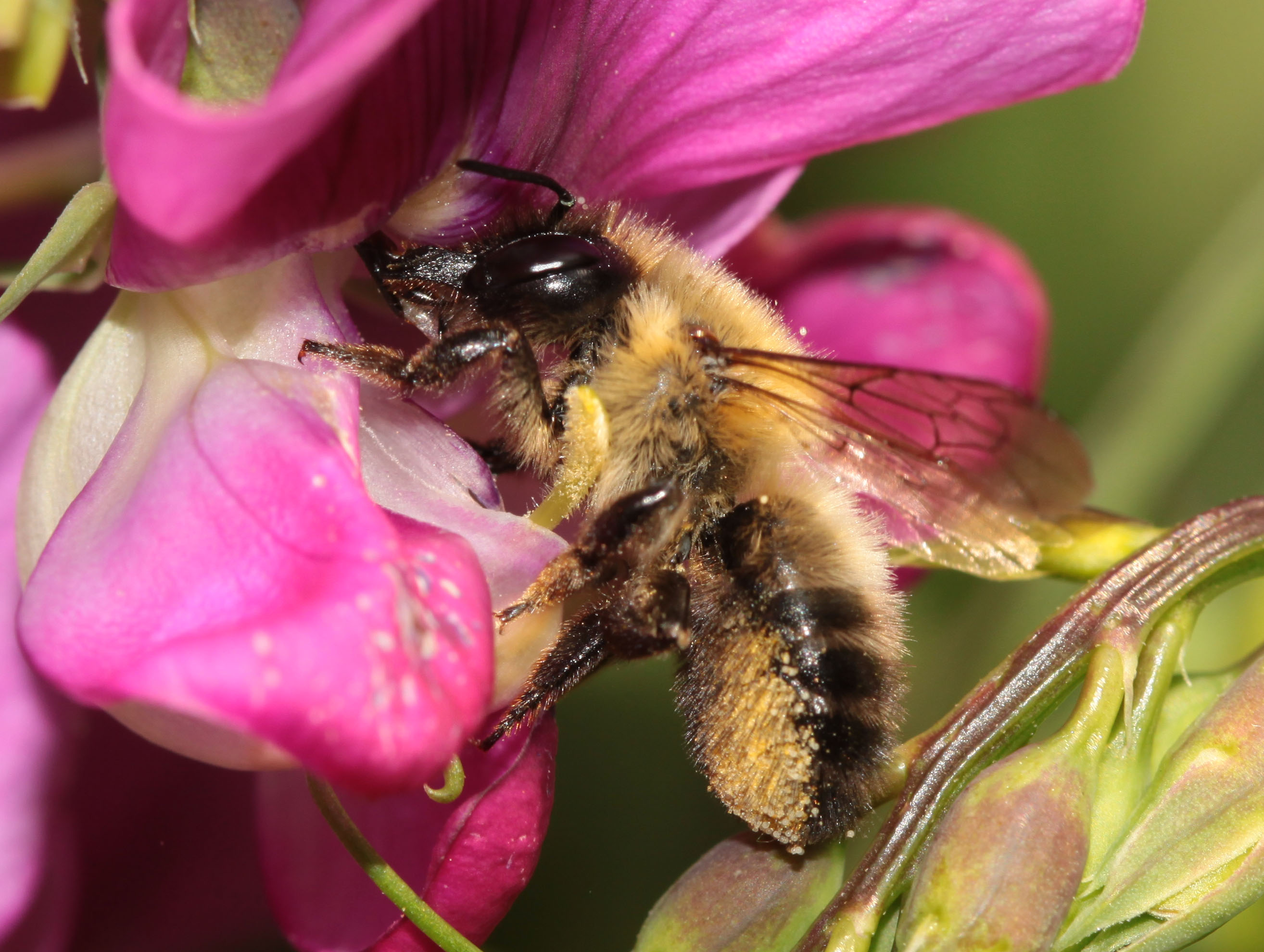
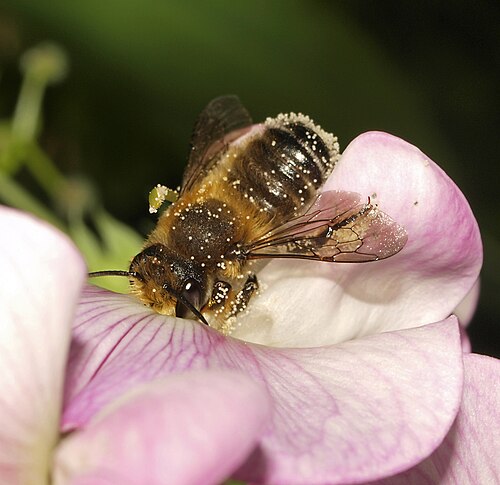
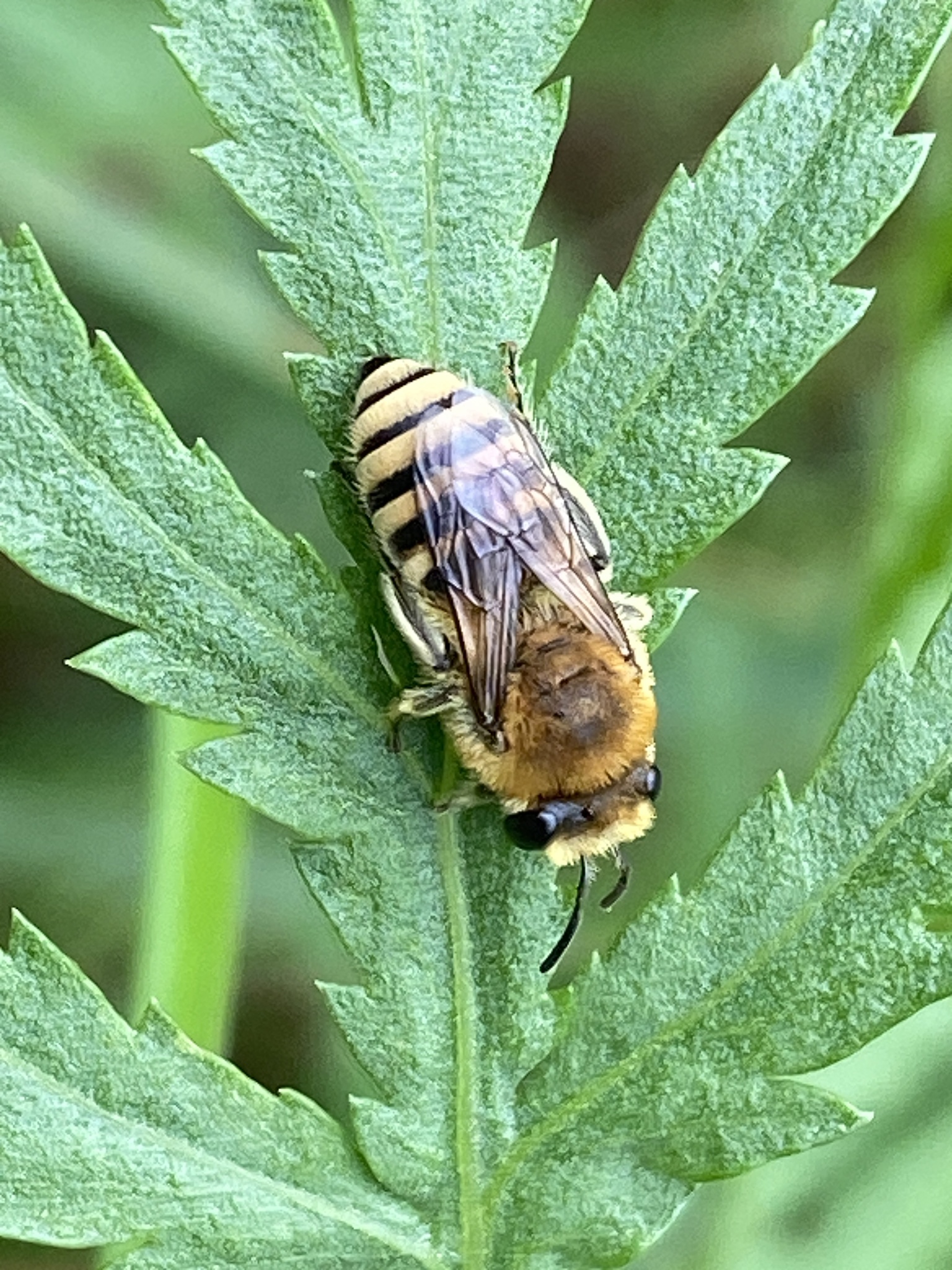
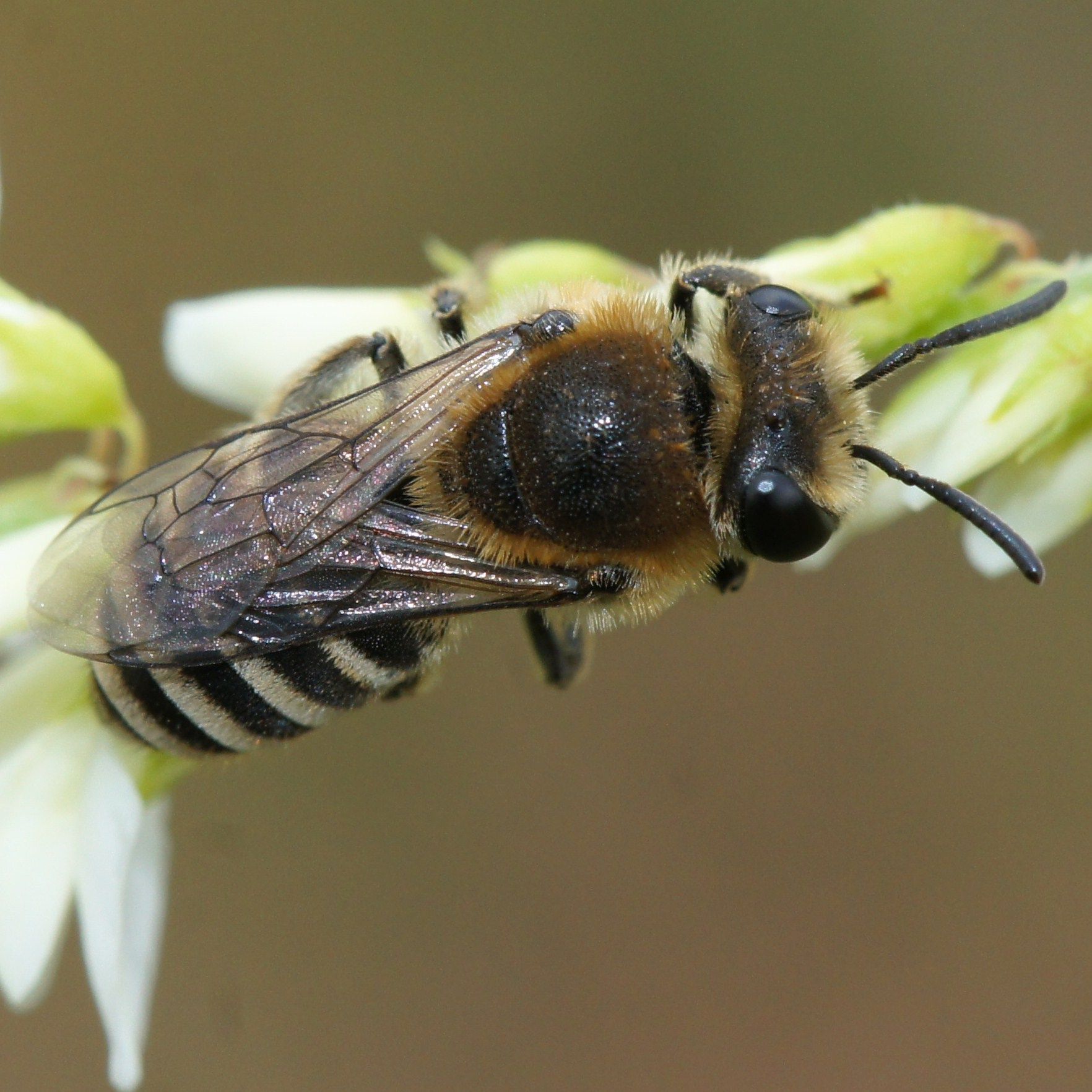
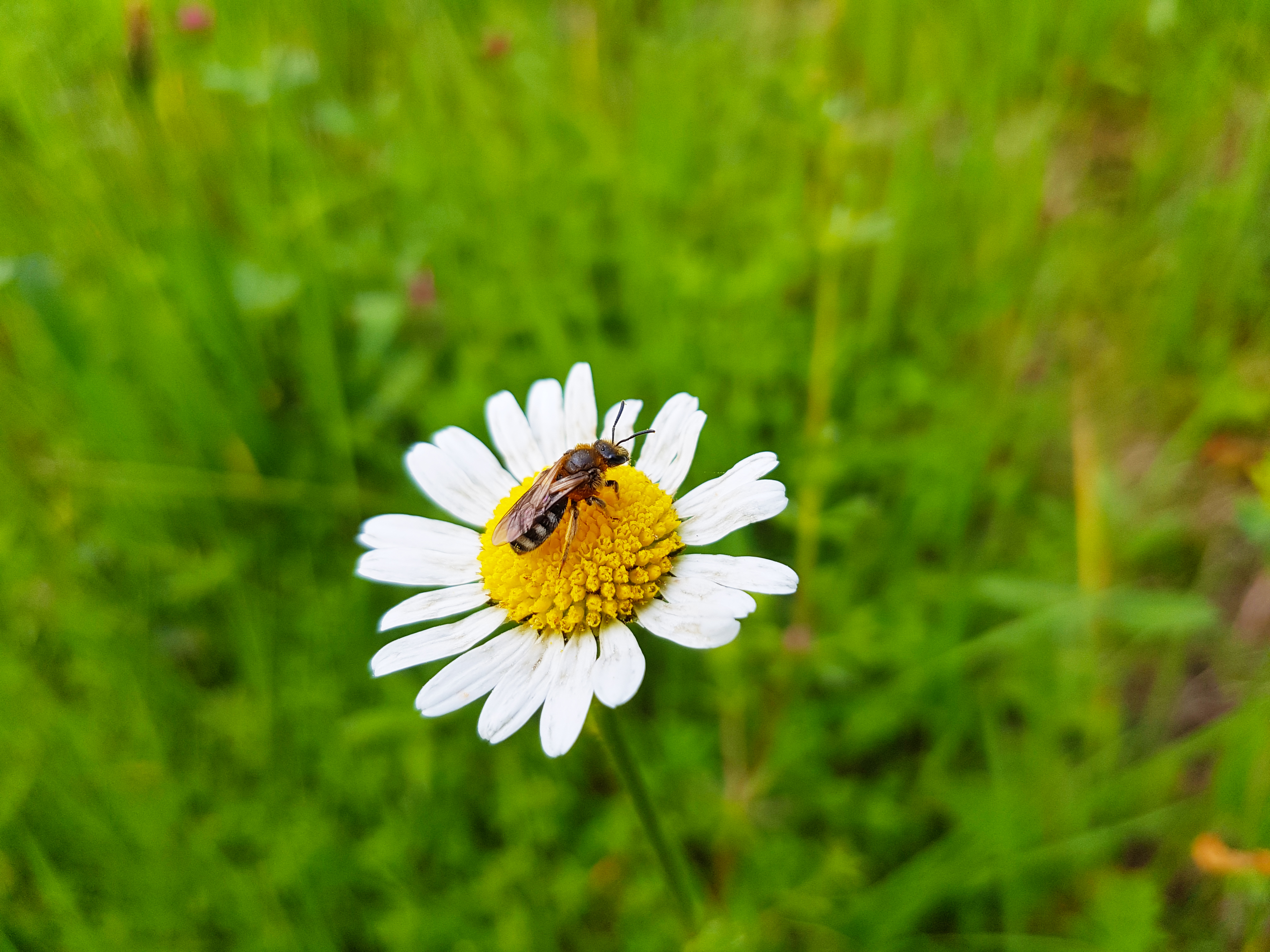
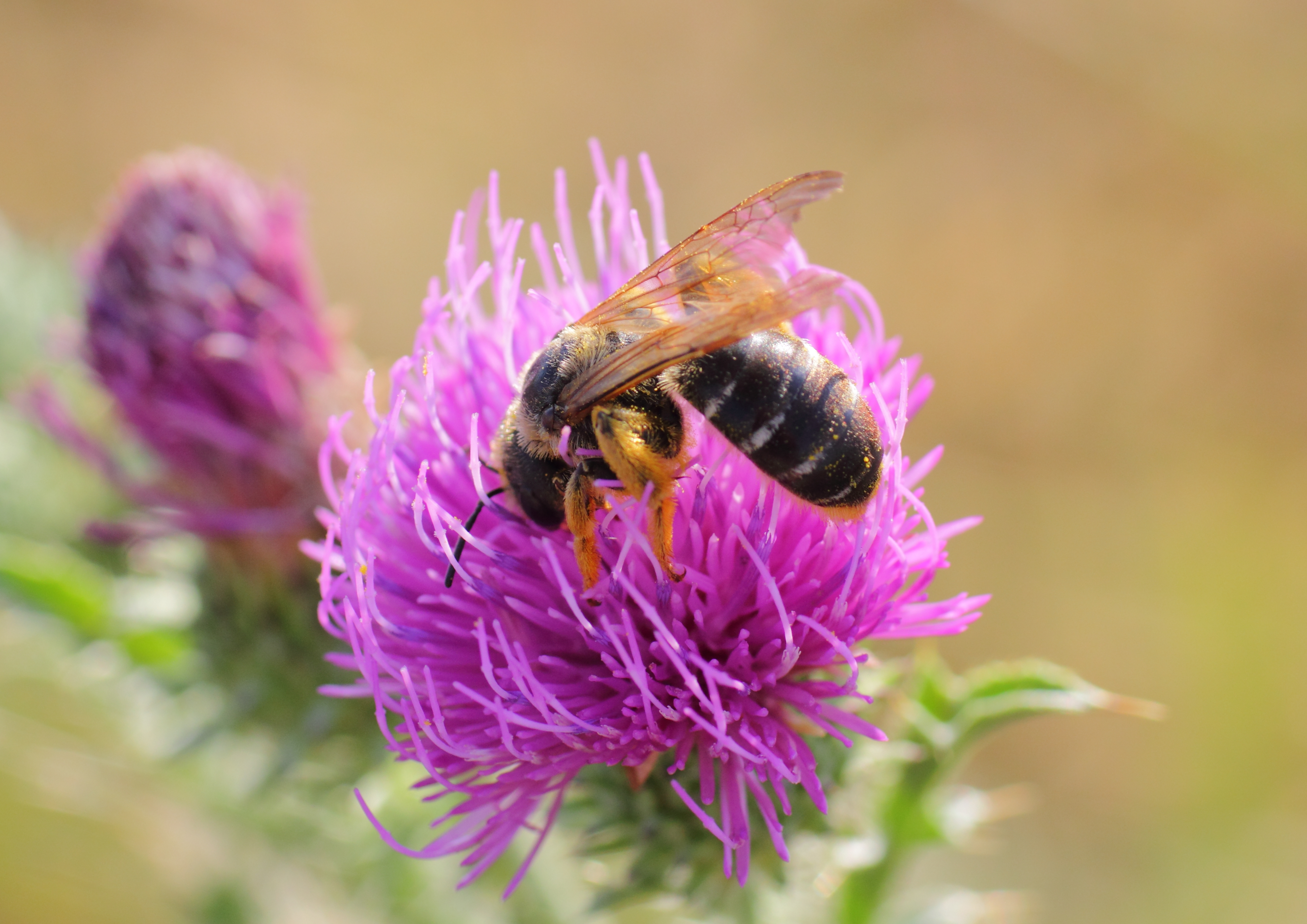
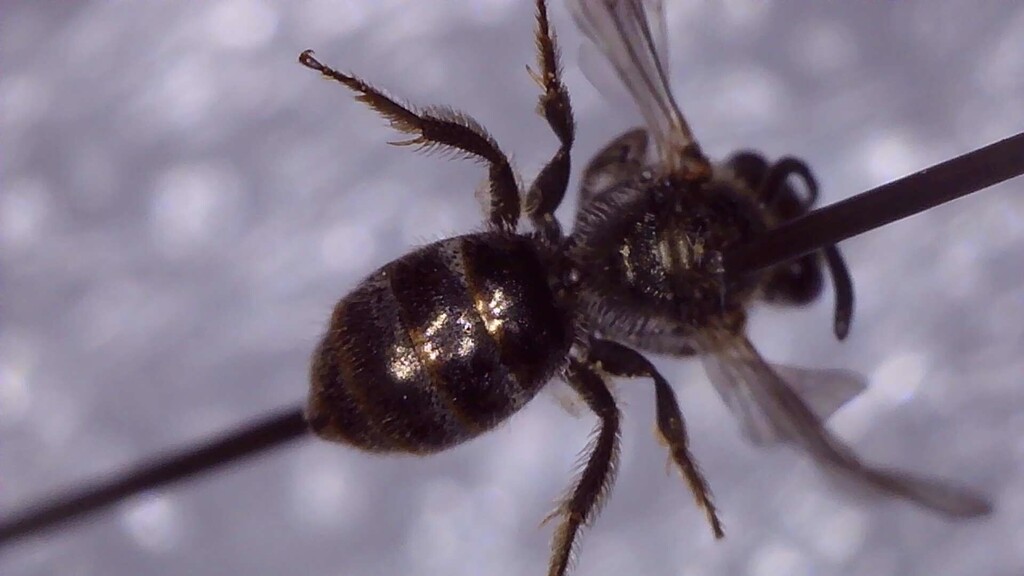
Andrena wilkella
Wilke's Mining BeeA distinctive mining bee with white abdominal hair bands and a preference for legume flowers. Introduced from Europe to North America, it is now widespread in both regions.
USGS Bee Inventory and Monitoring Lab / Public DomainApidae — Honey & Bumble Bees
Apidae is a diverse family that includes honey bees, bumble bees, and cuckoo bees. While honey bees live in large perennial colonies, bumble bees form smaller annual nests and are excellent buzz pollinators. Many species are social, with a queen and worker caste.
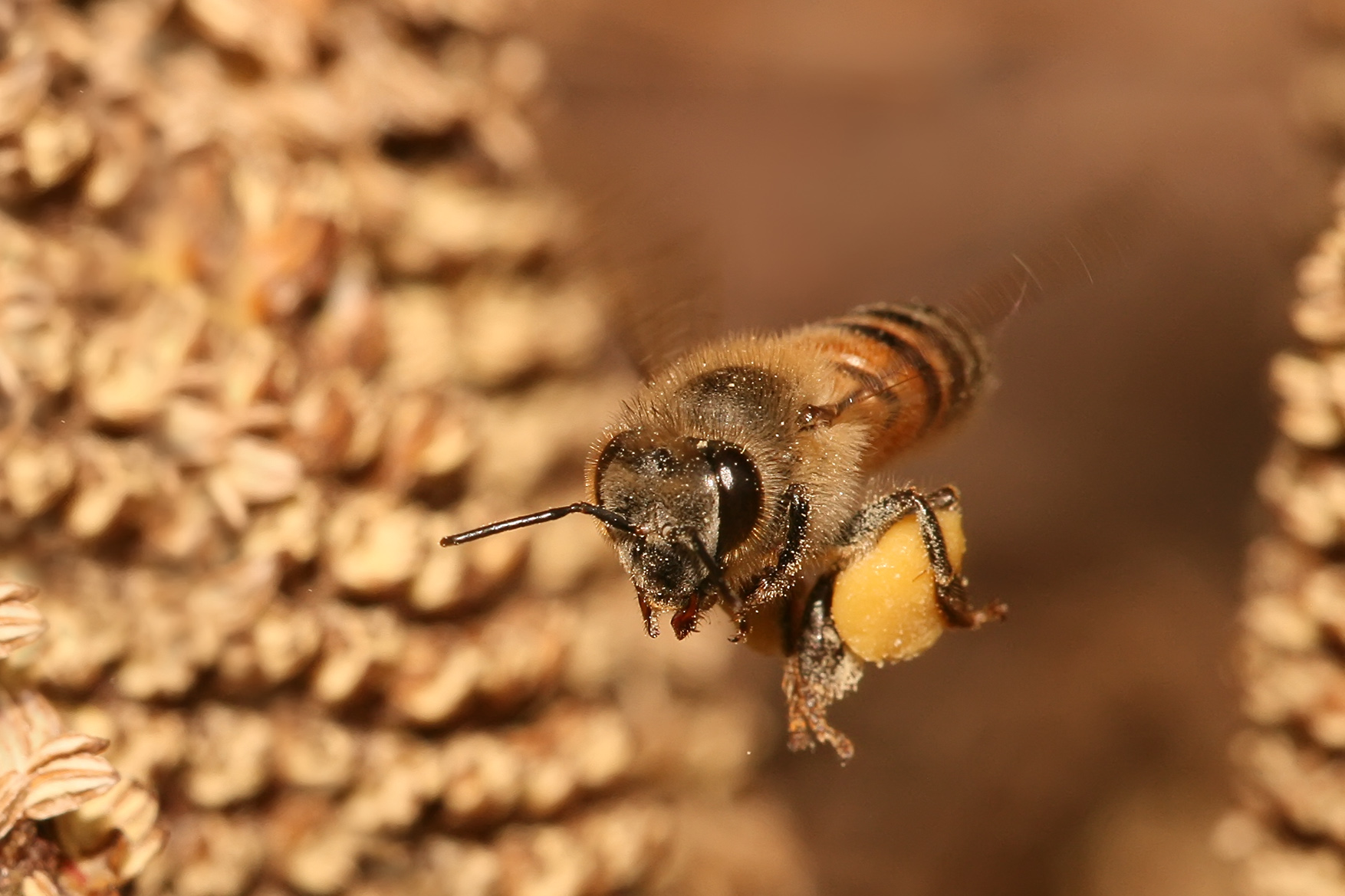
Apis mellifera
Western Honey BeeThe familiar honey bee lives in large perennial colonies and is one of the most important crop pollinators worldwide. Originally from Europe, it is now managed on every continent except Antarctica.
USGS Bee Inventory and Monitoring Lab / Public Domain
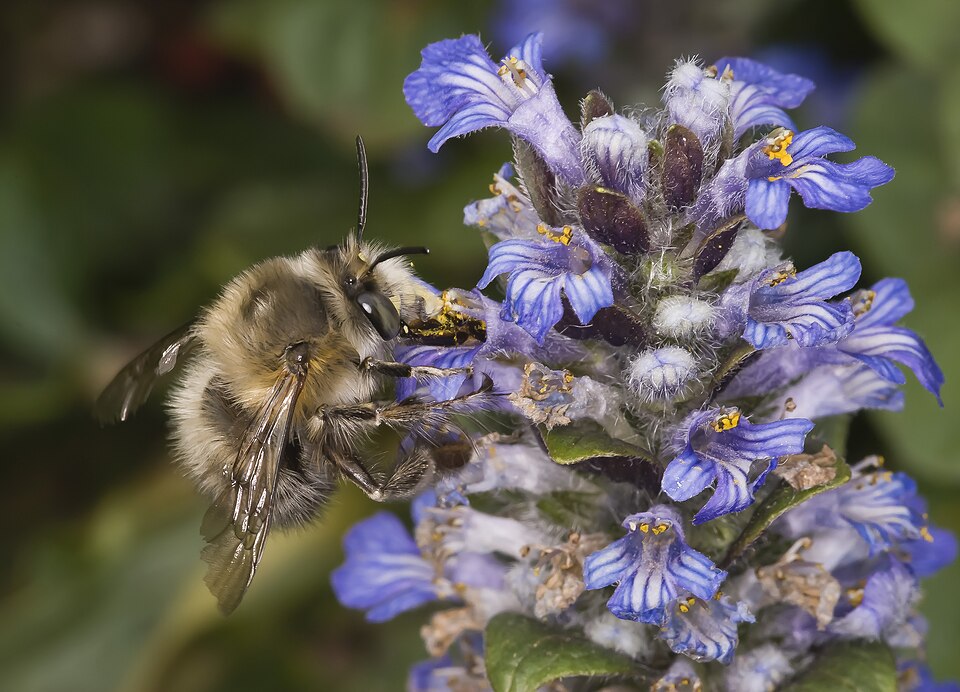
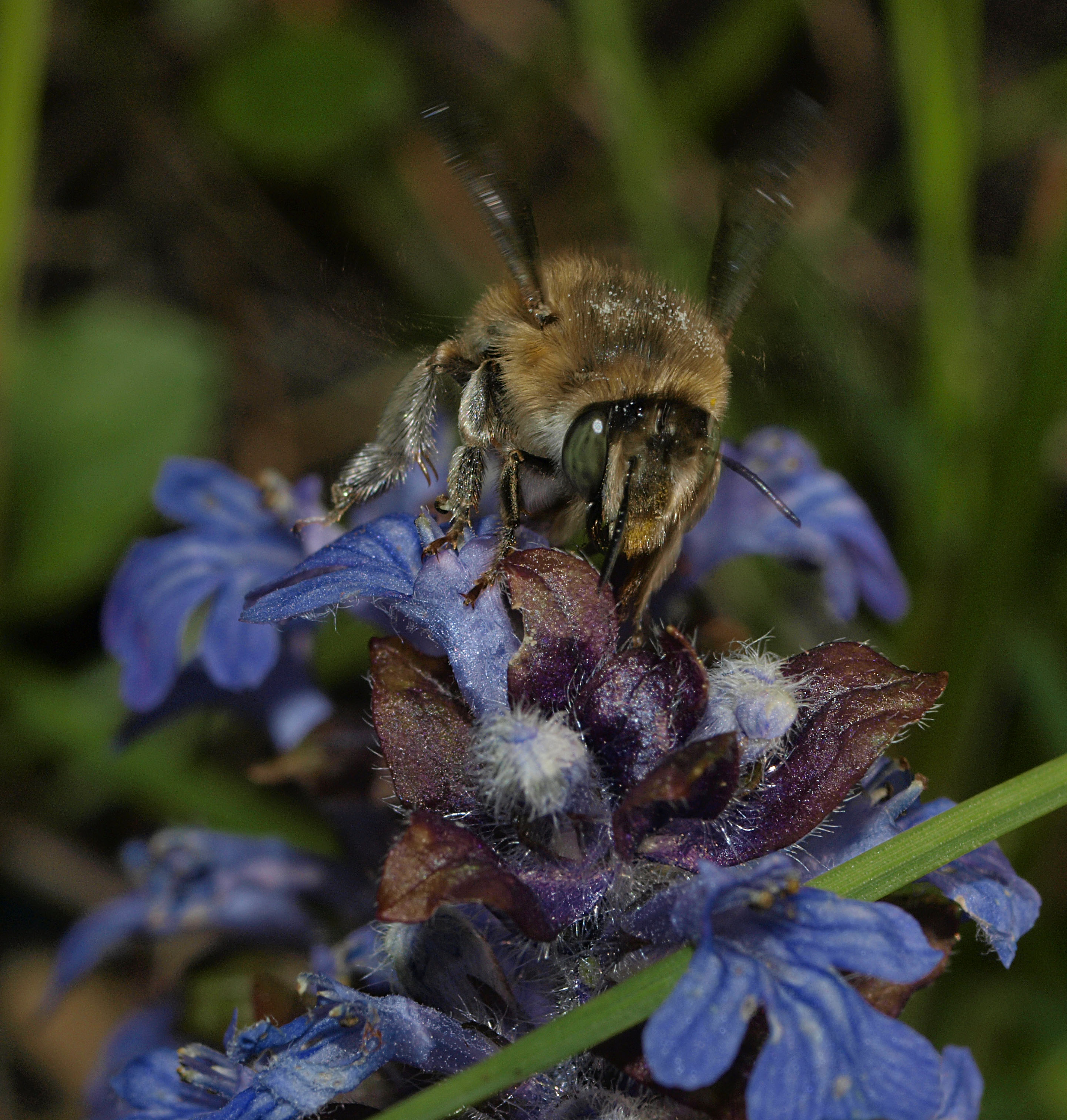
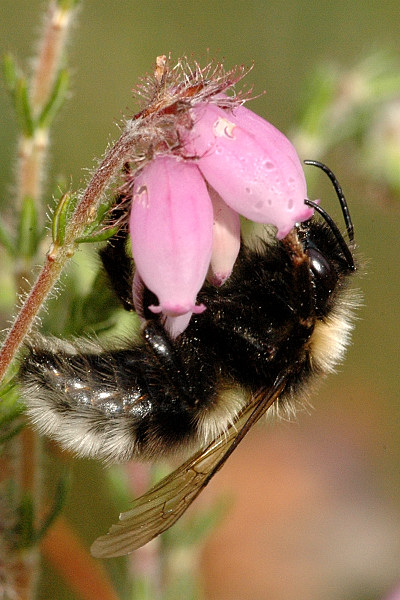
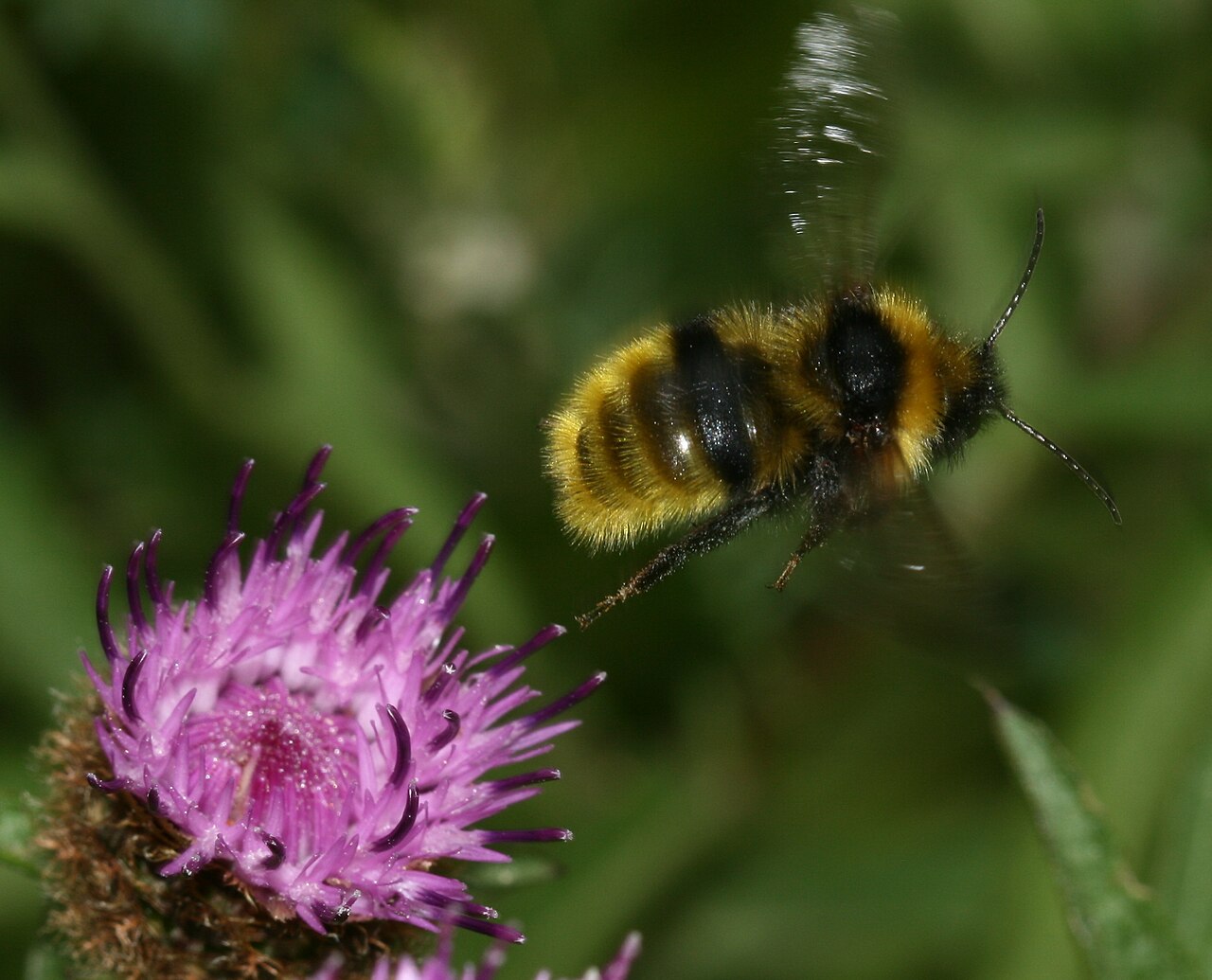
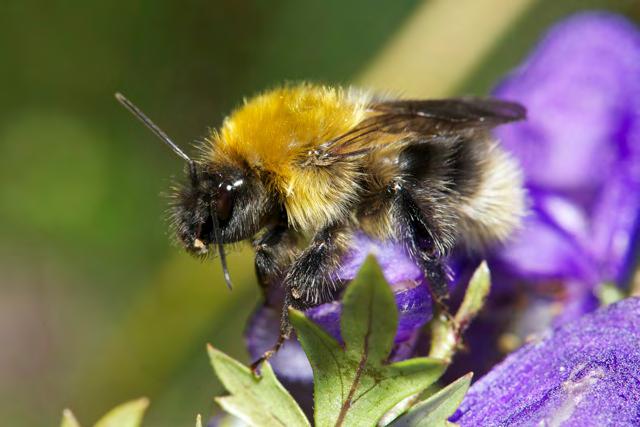
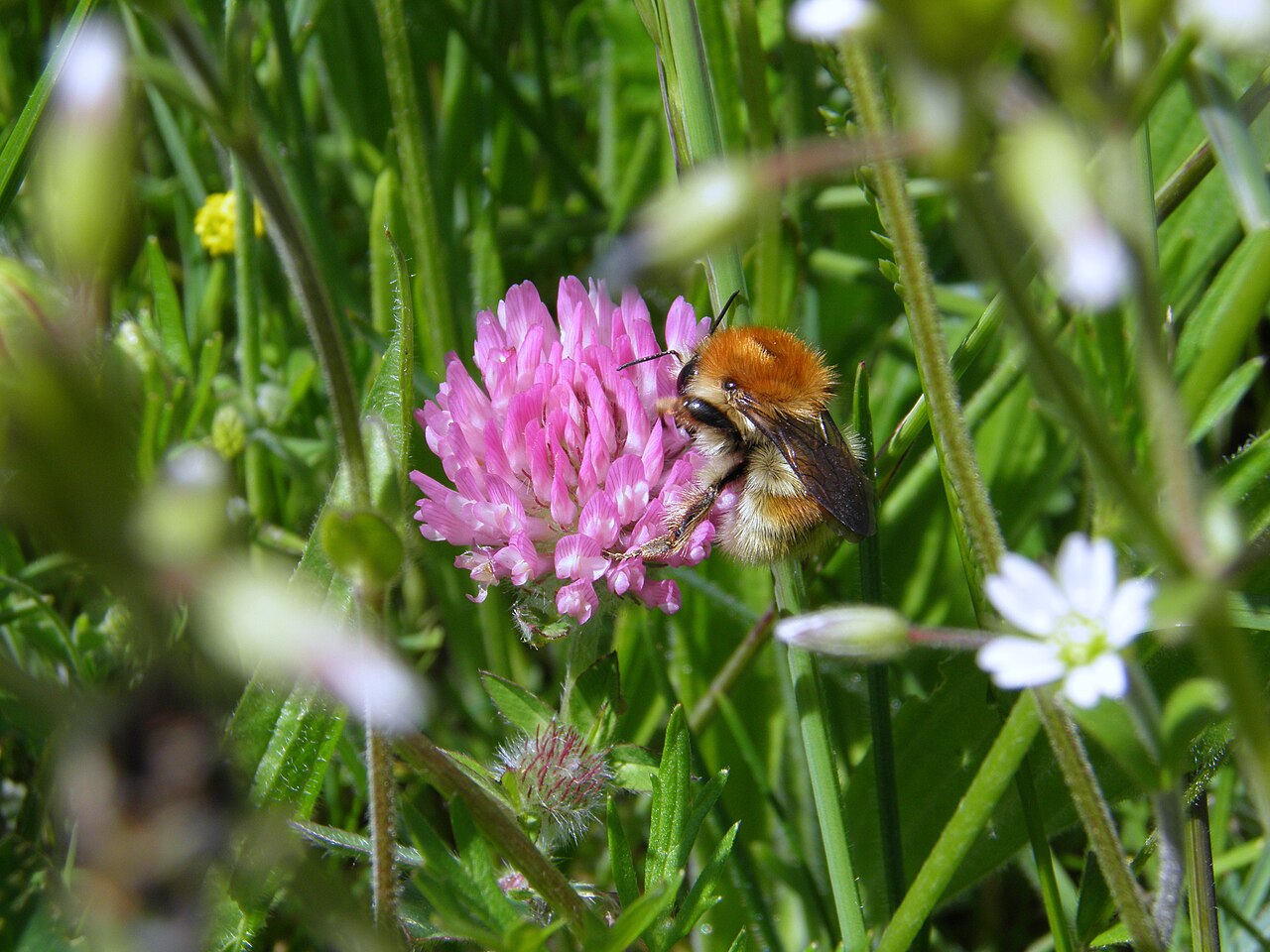
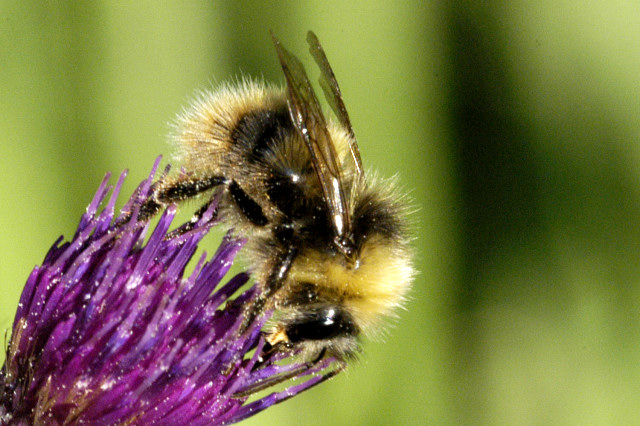
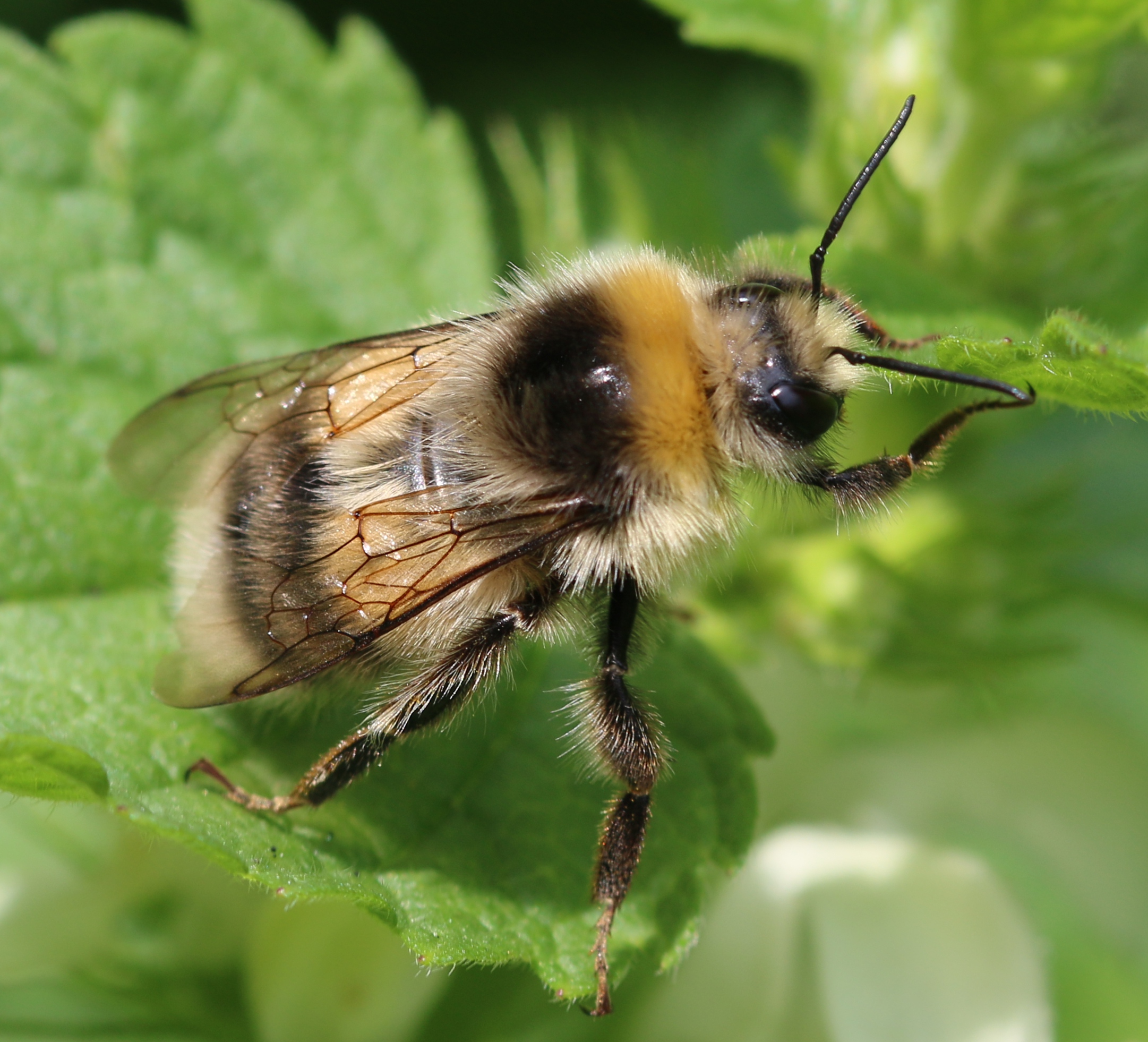
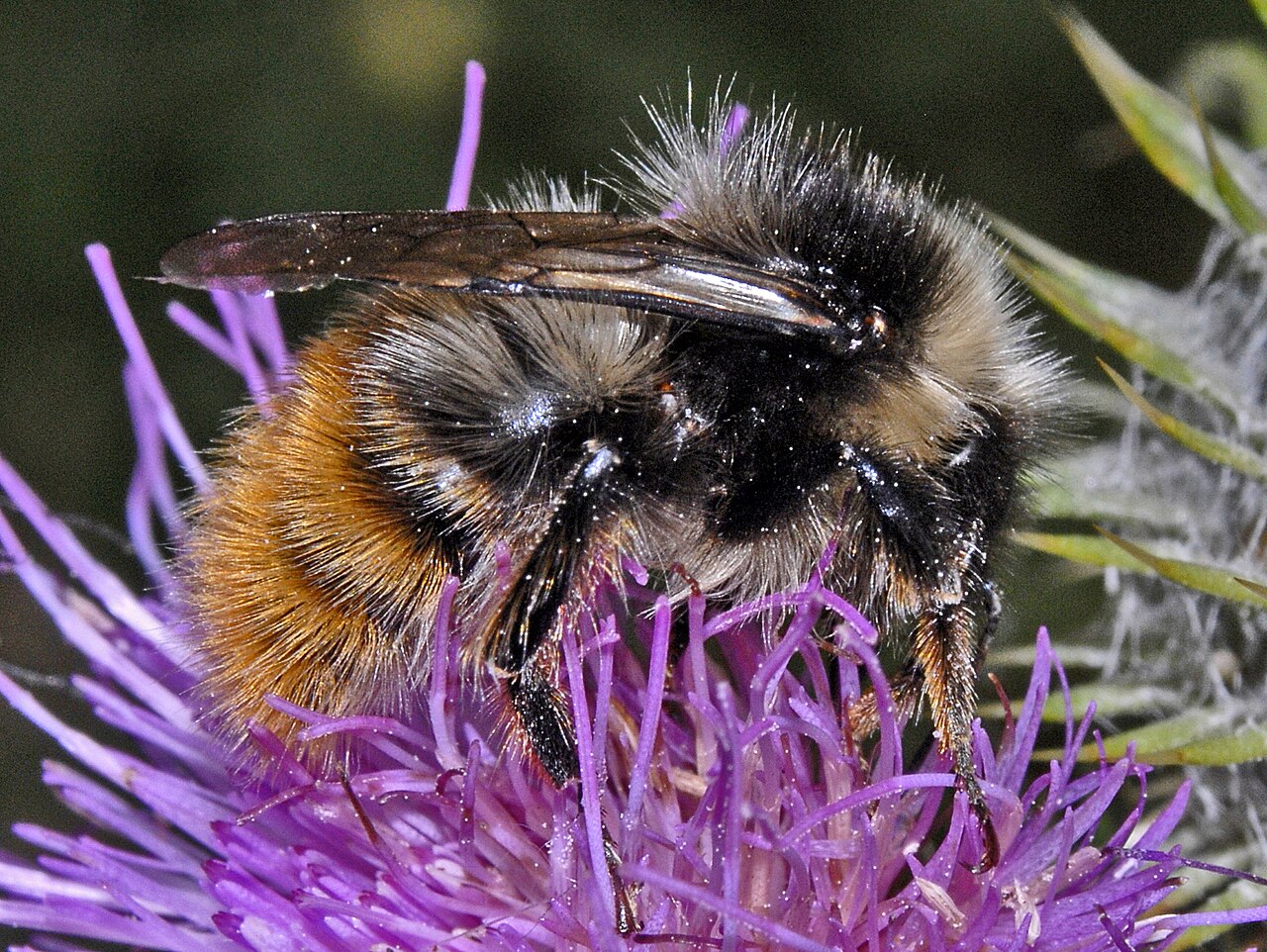
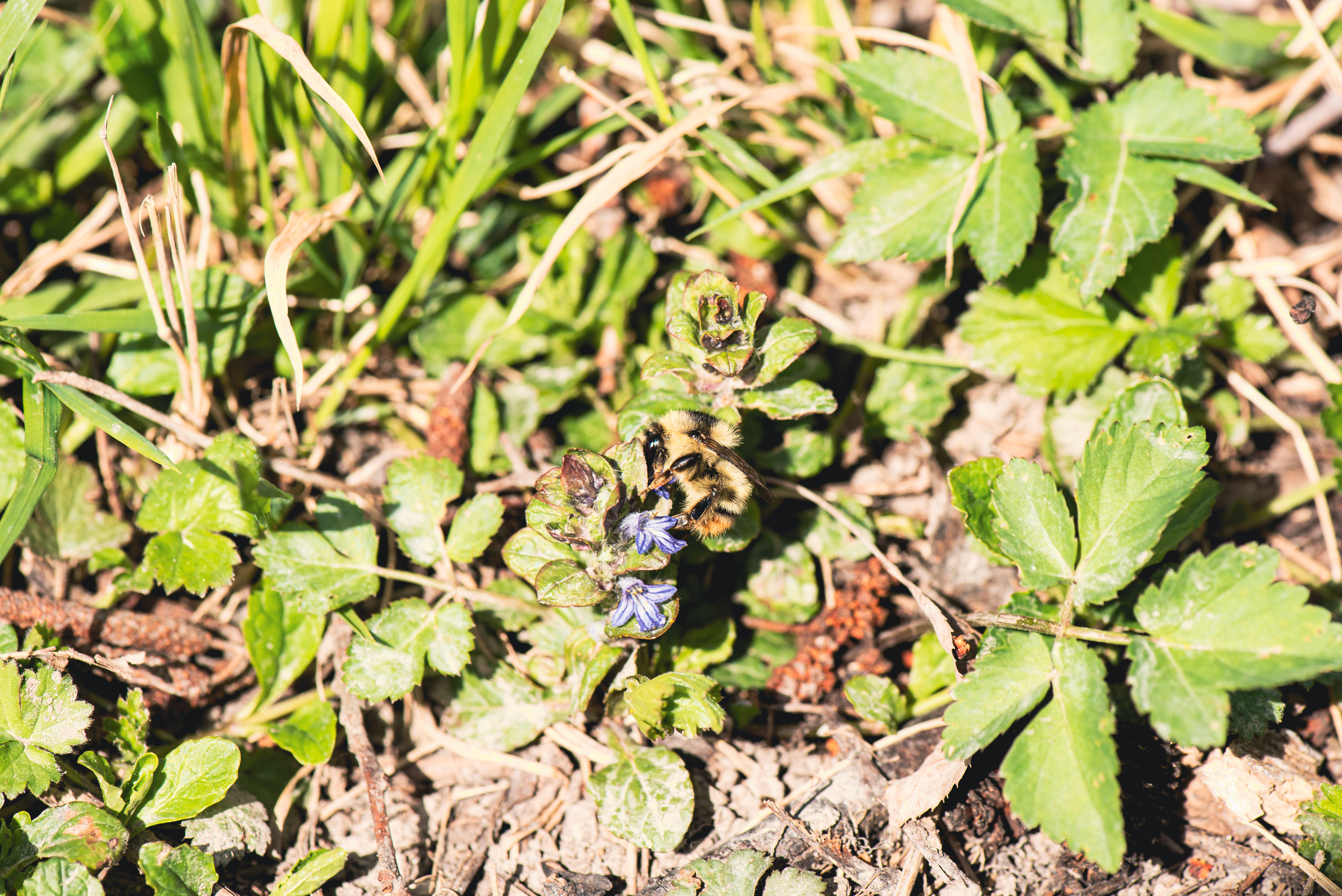
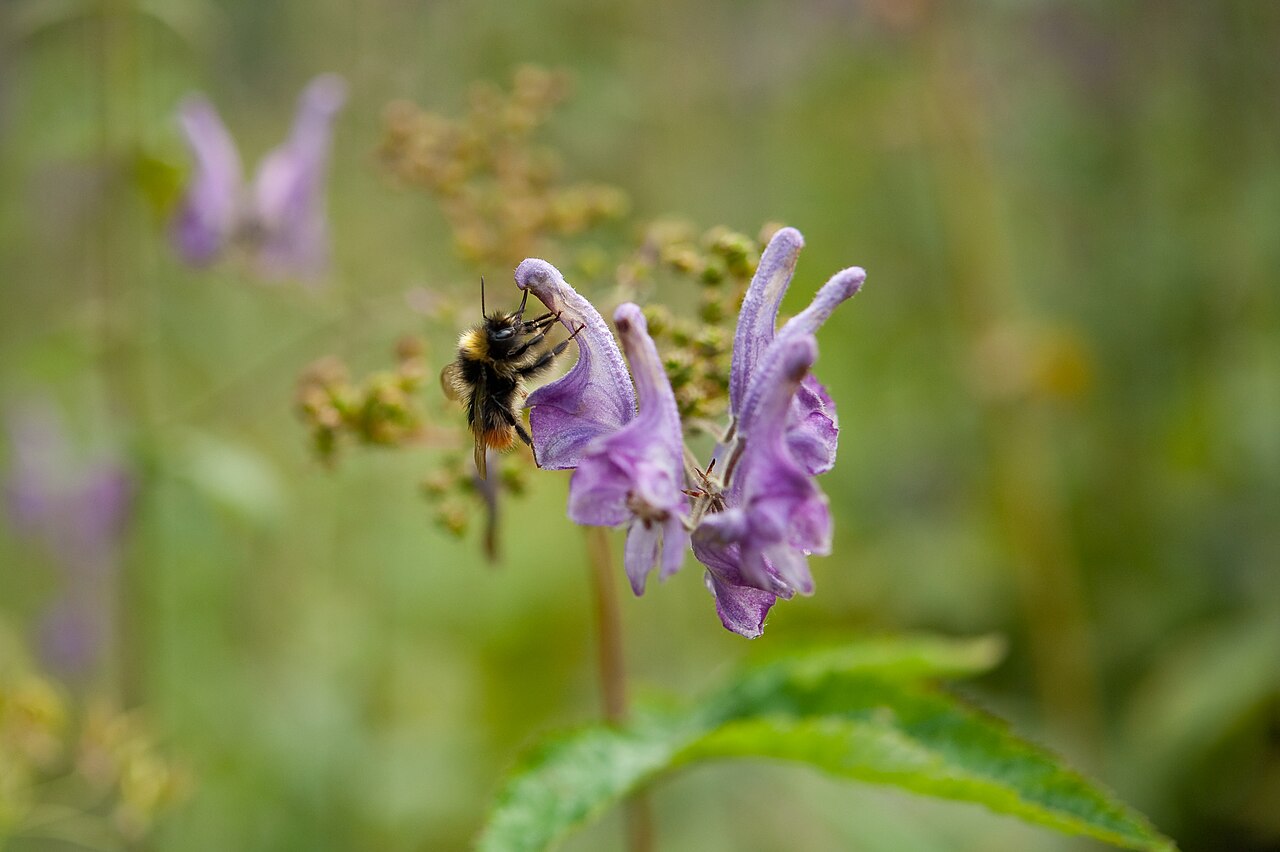
Bombus jonellus
Heath Bumble BeeA small bumble bee with a short tongue, common in heathlands and upland areas. It nests in old rodent burrows and is a key pollinator of heather and bilberry.
James Lindsey / CC BY-SA 2.5
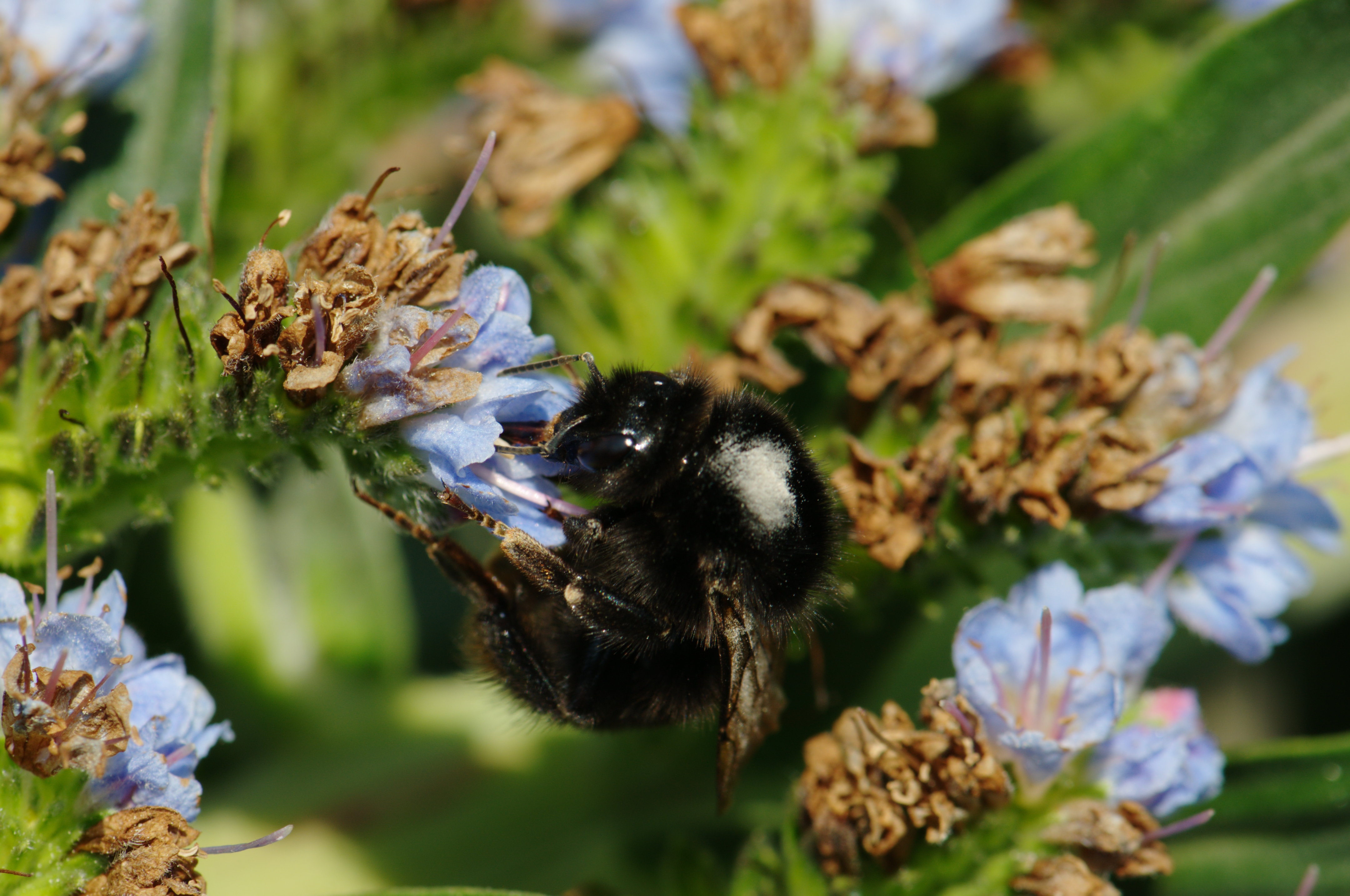
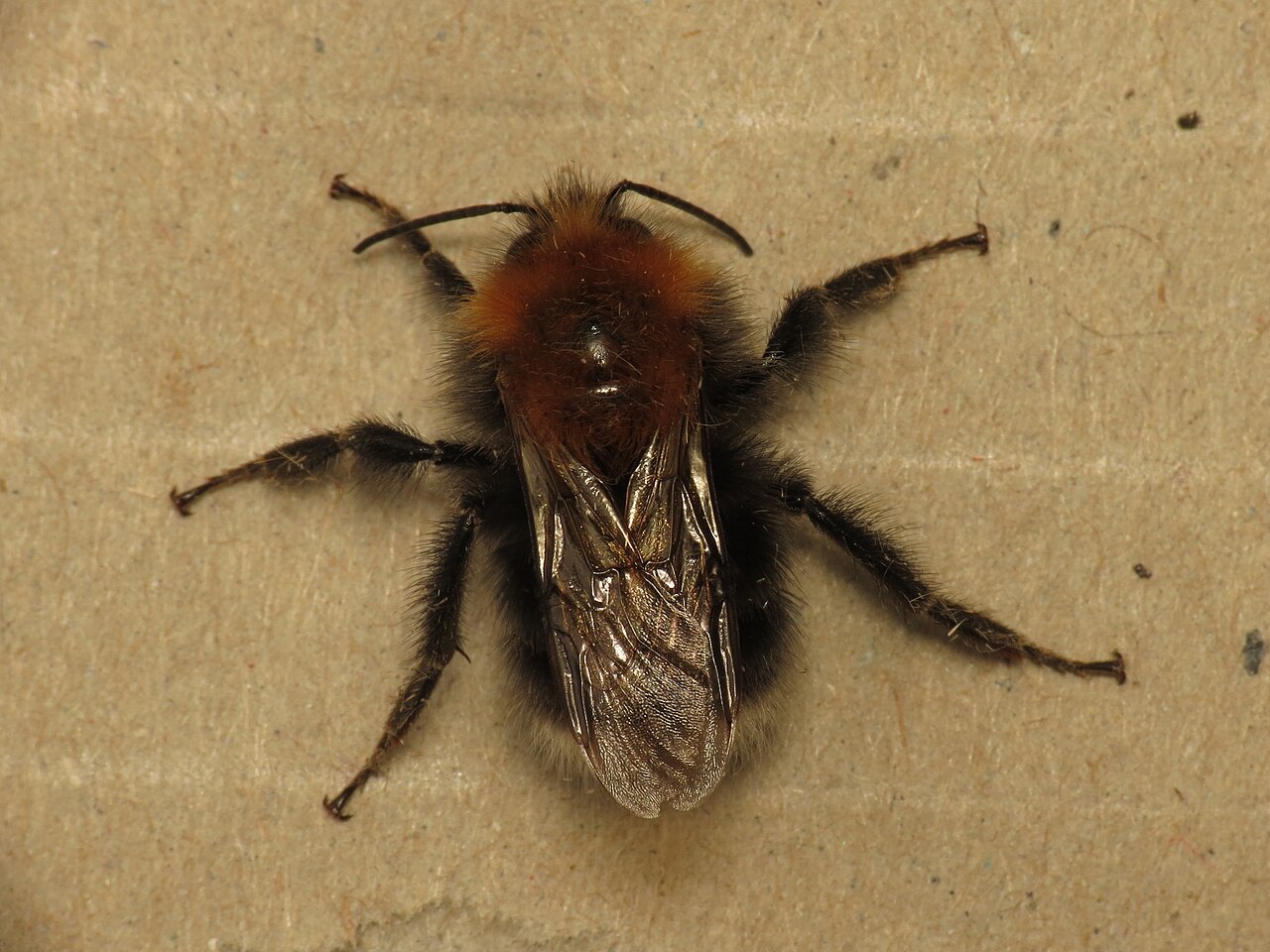
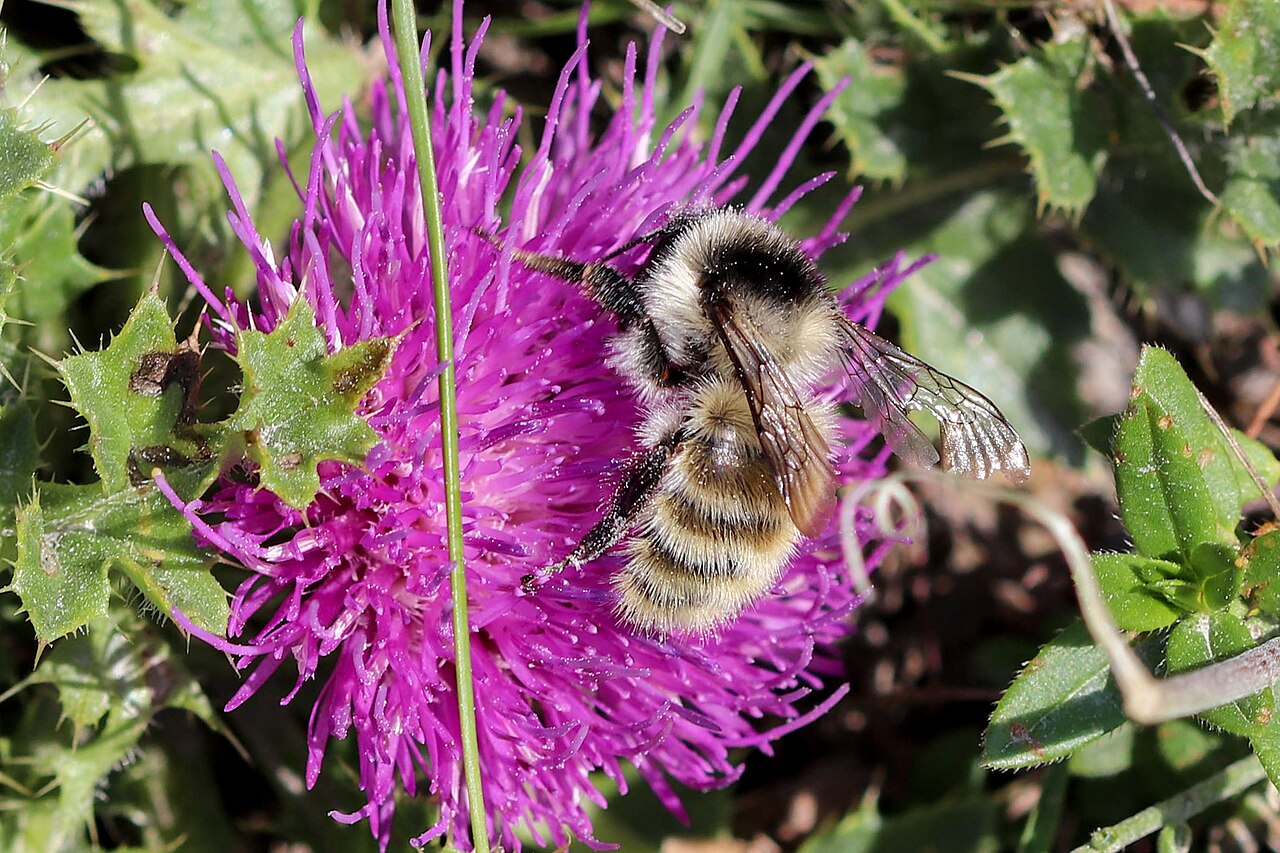
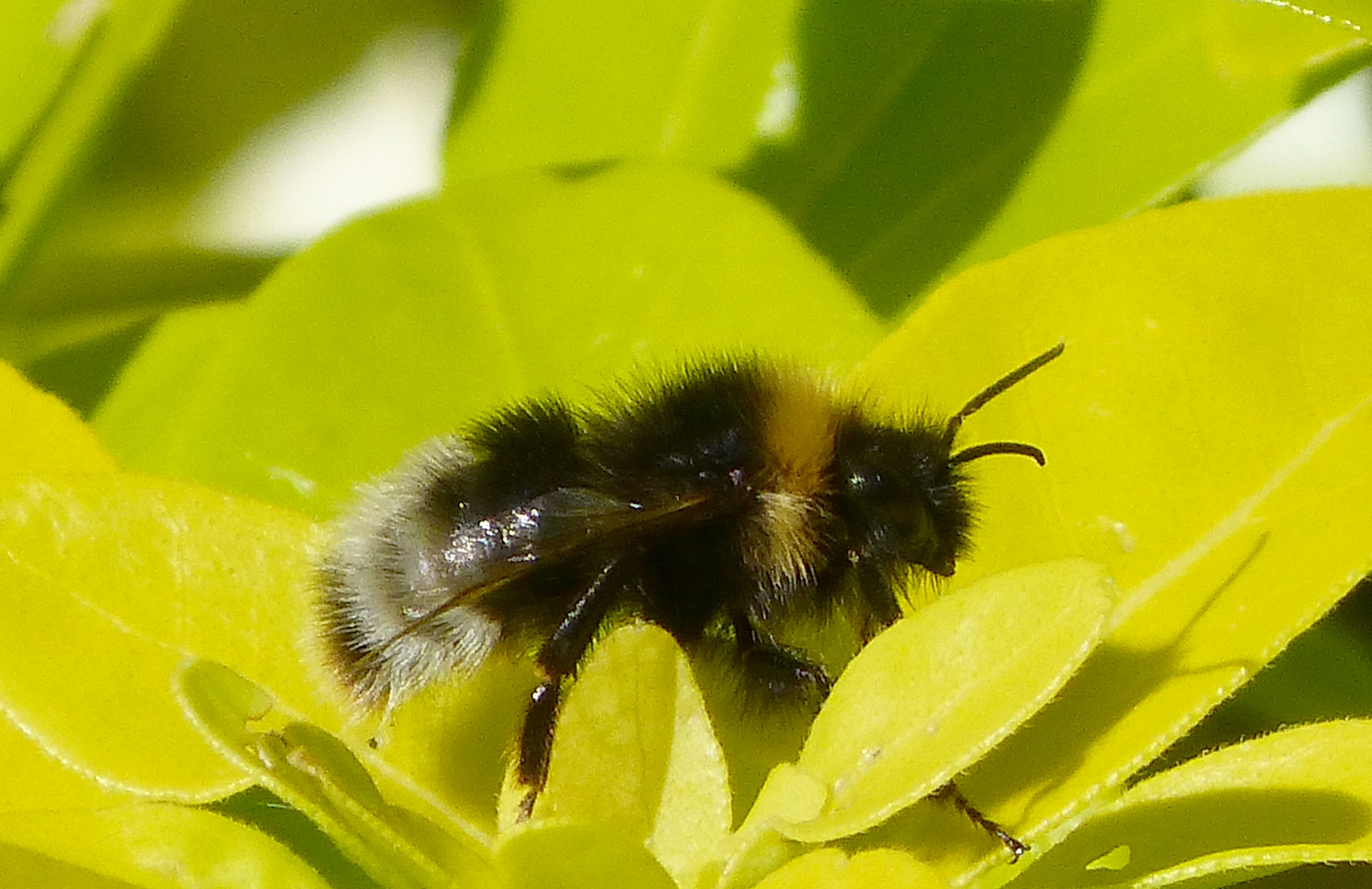
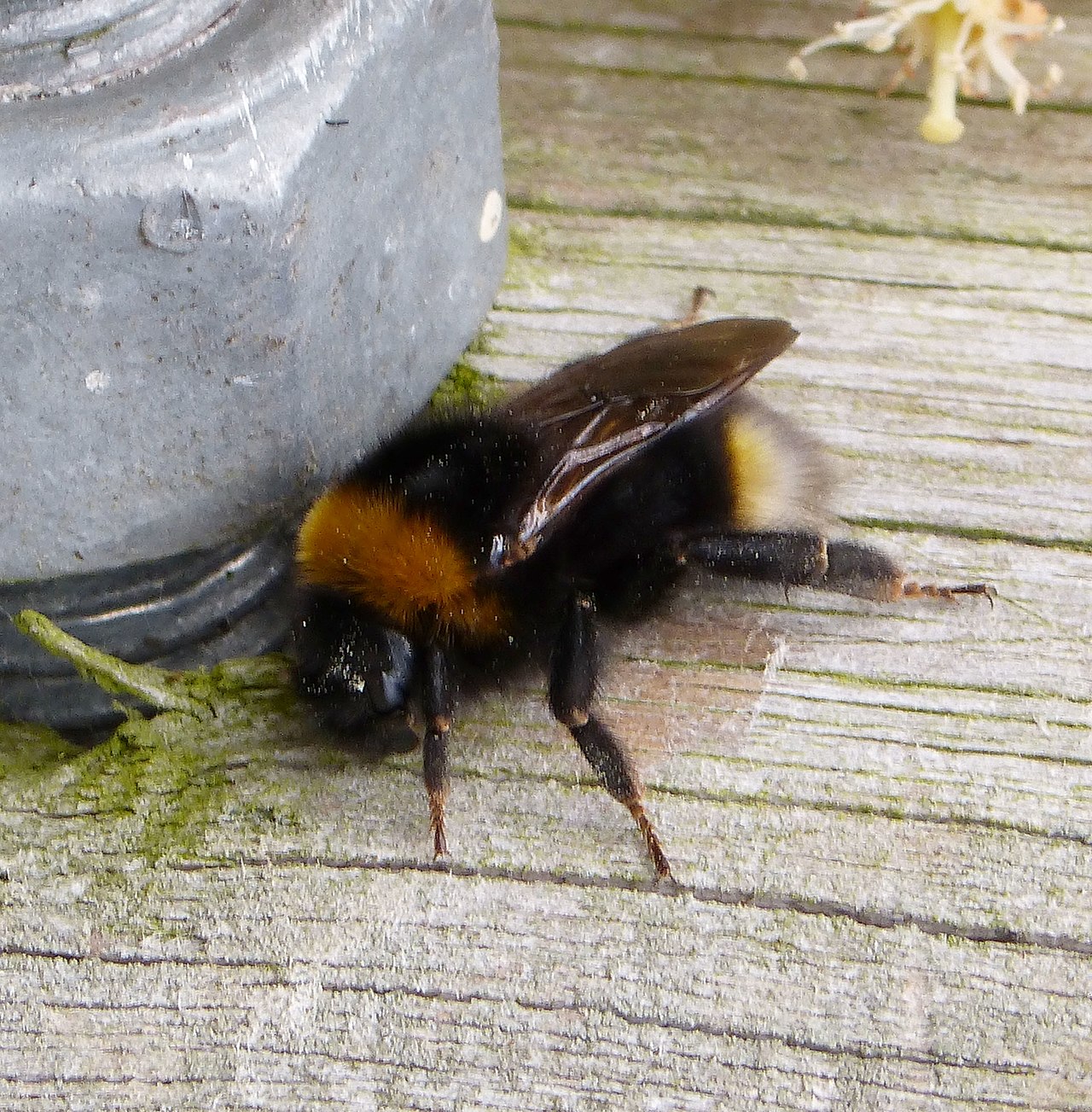
Bombus bohemicus
Bohemian Cuckoo Bumble BeeA cuckoo bumble bee that takes over nests of white-tailed bumble bees. It has no worker caste and produces no pollen; females invade host nests to lay their eggs.
USGS Bee Inventory and Monitoring Lab / Public Domain
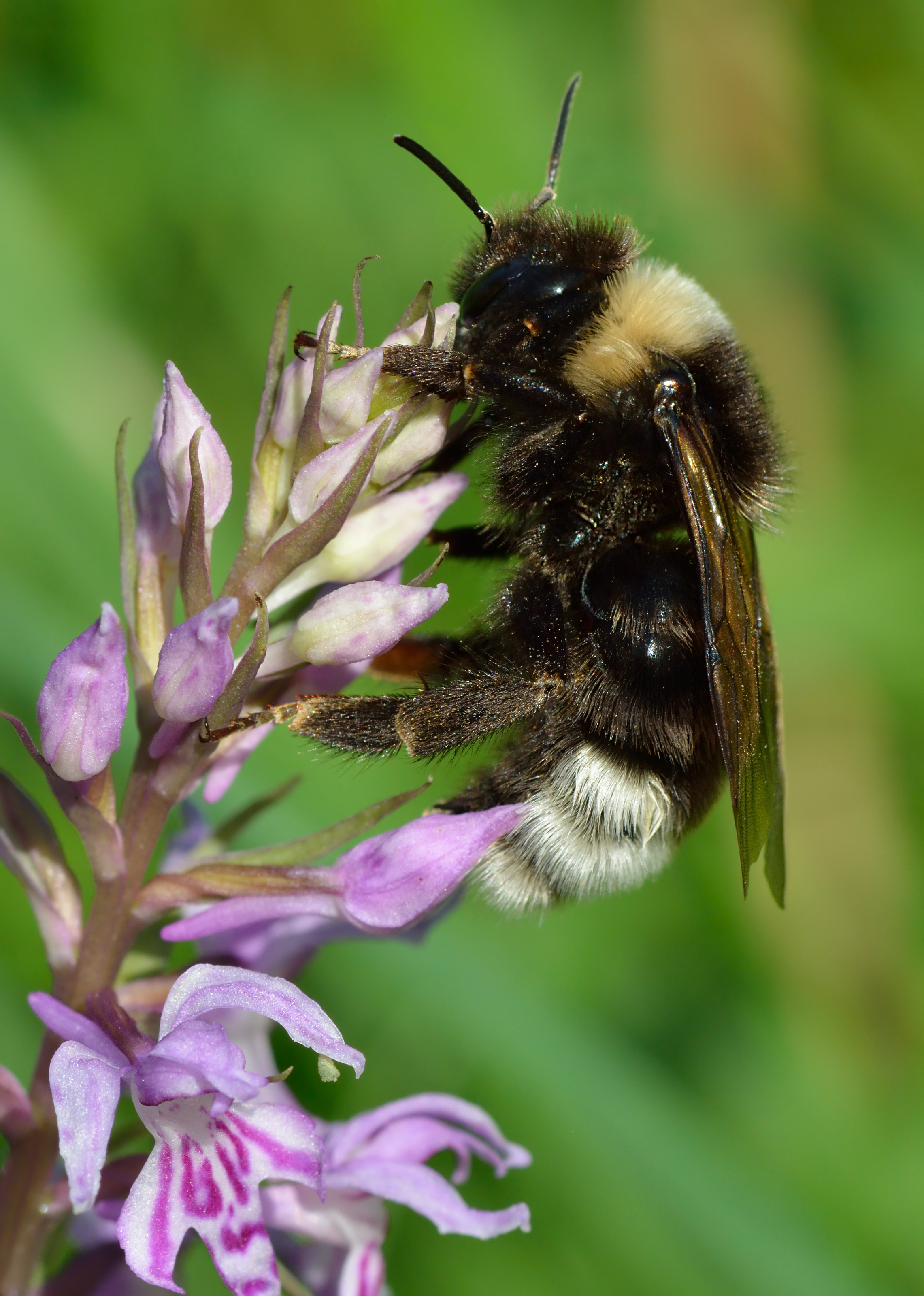
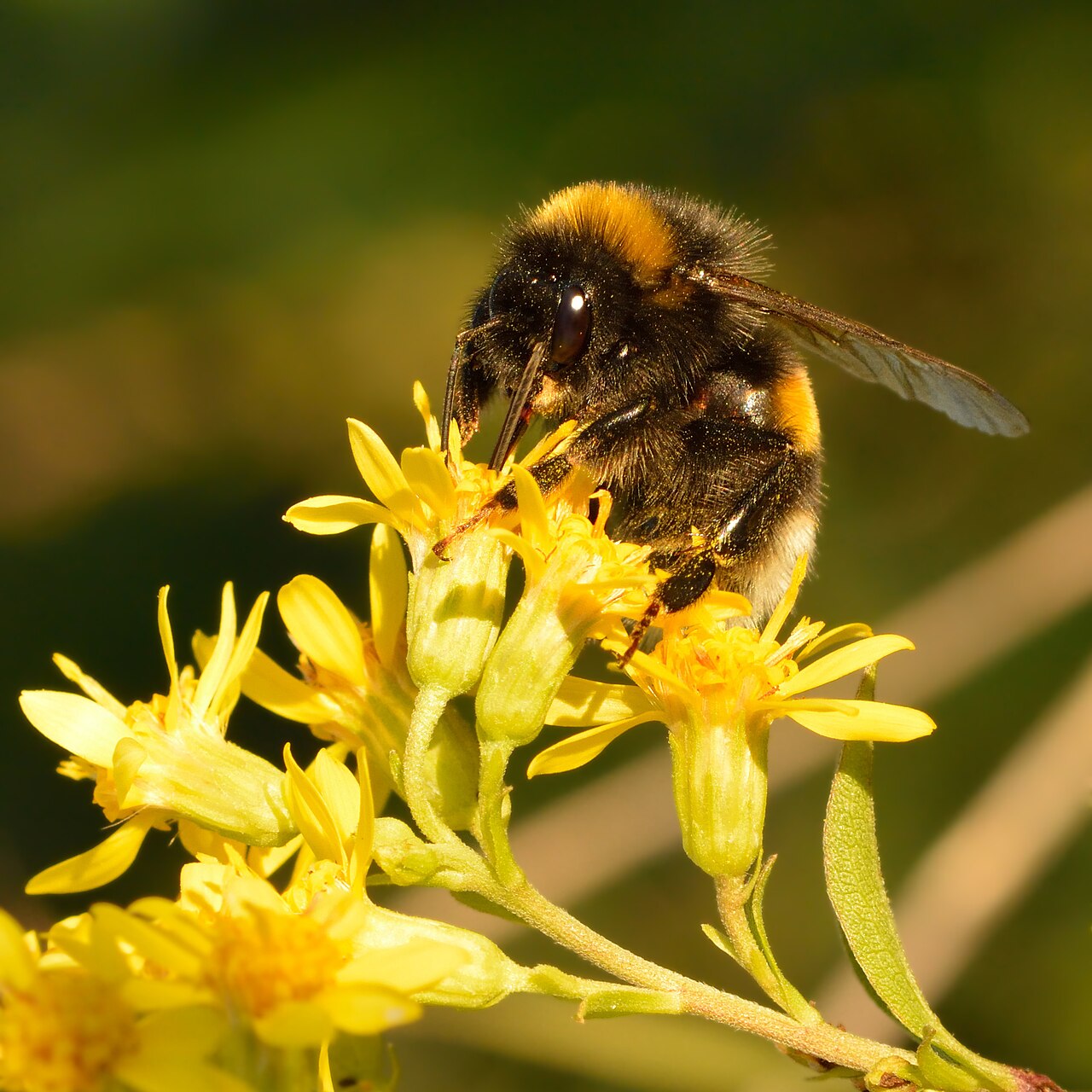
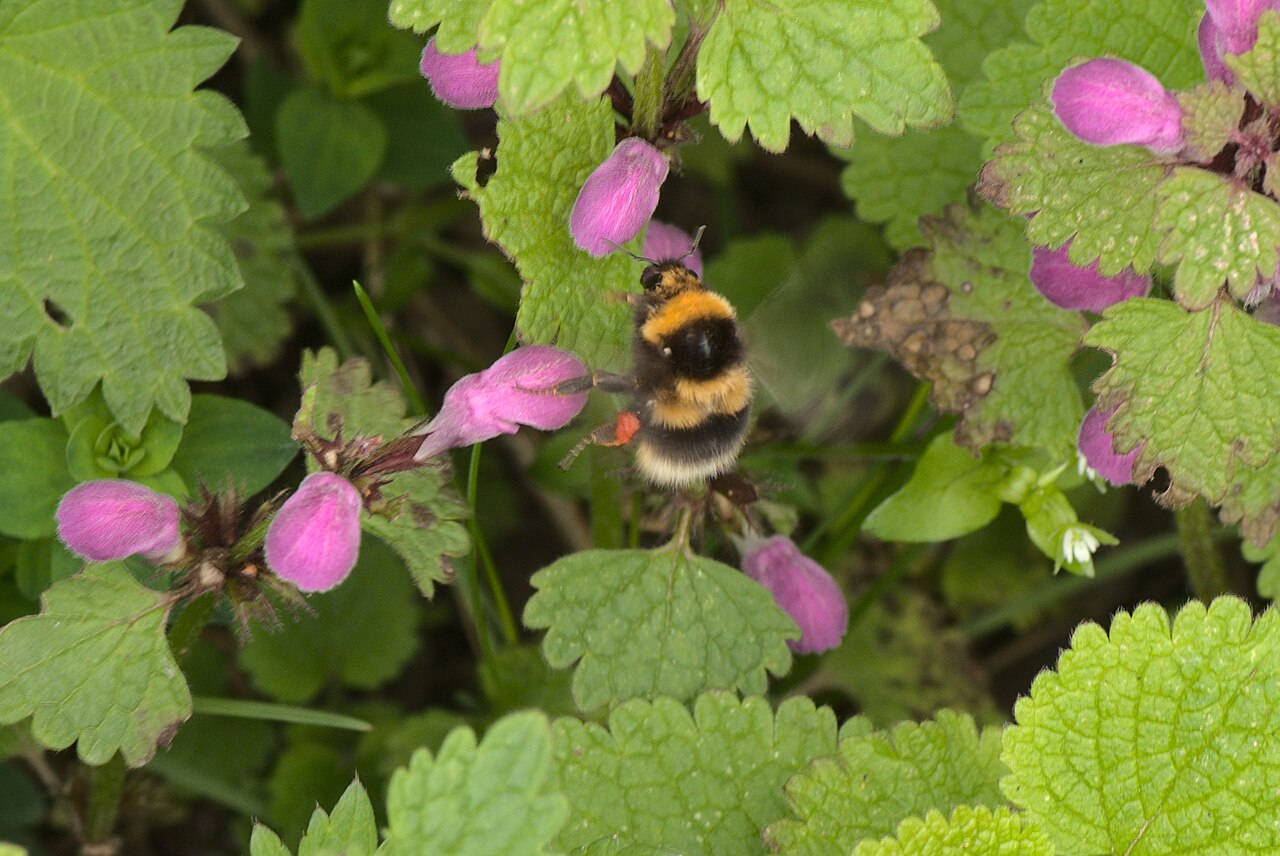
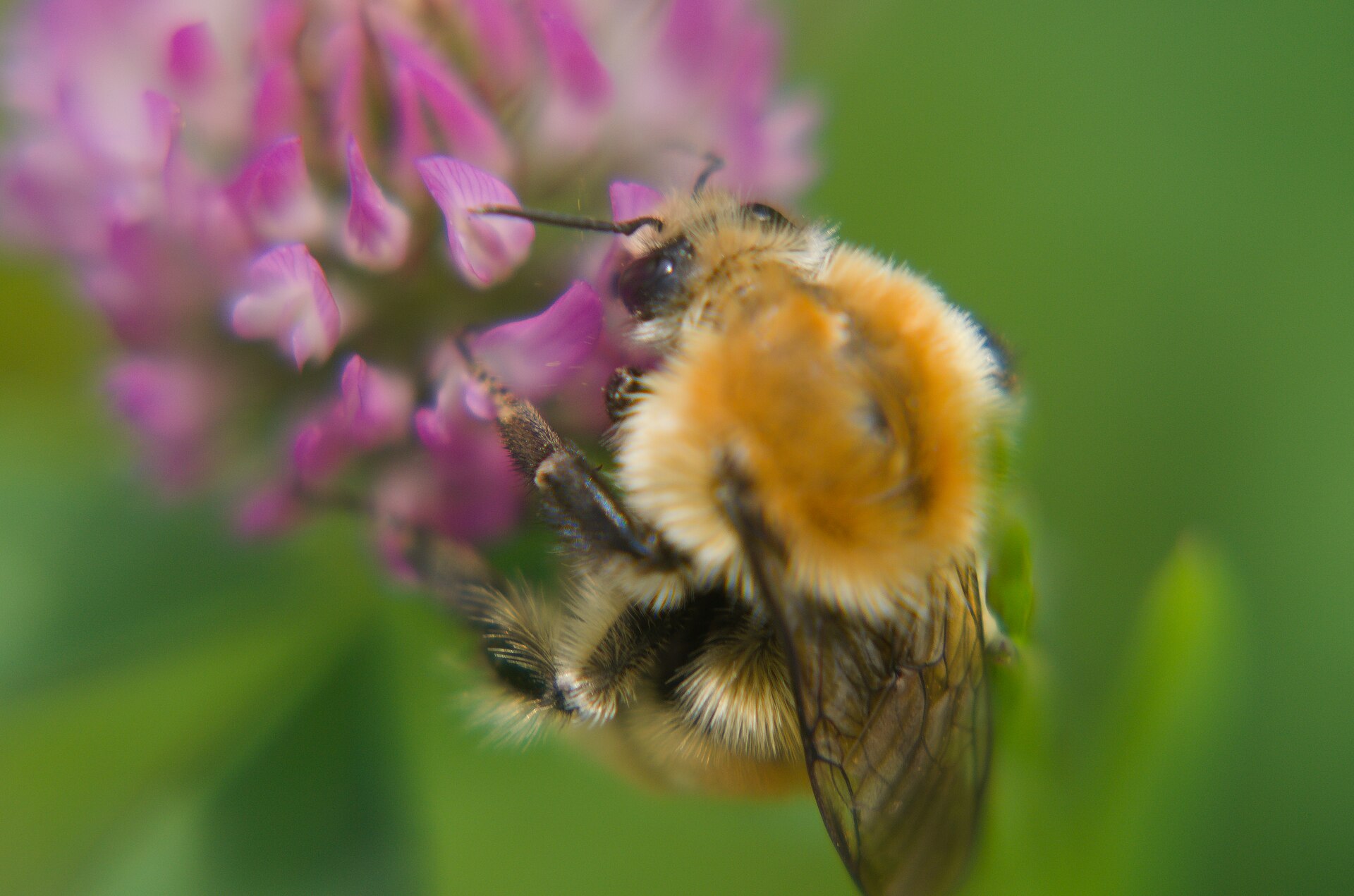
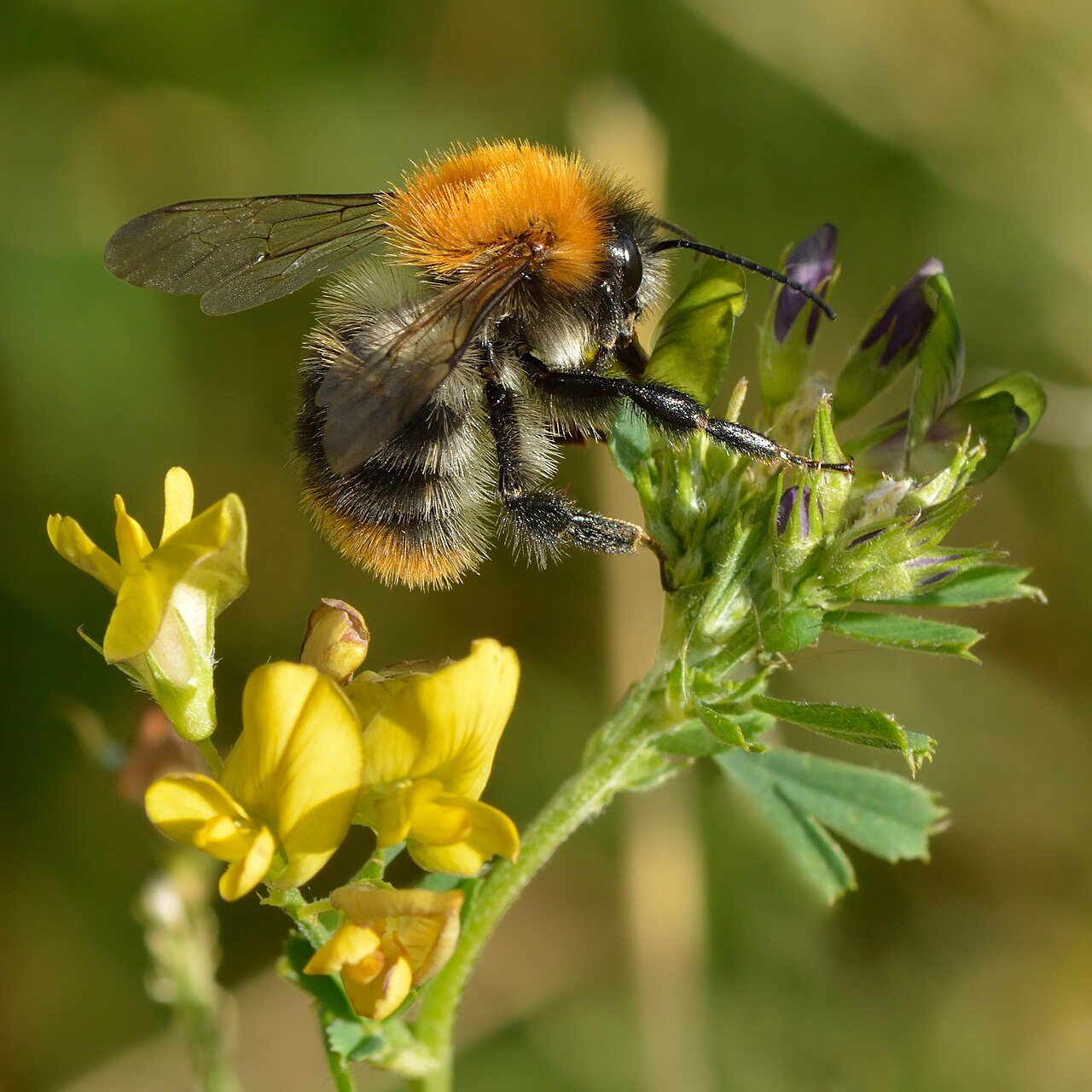
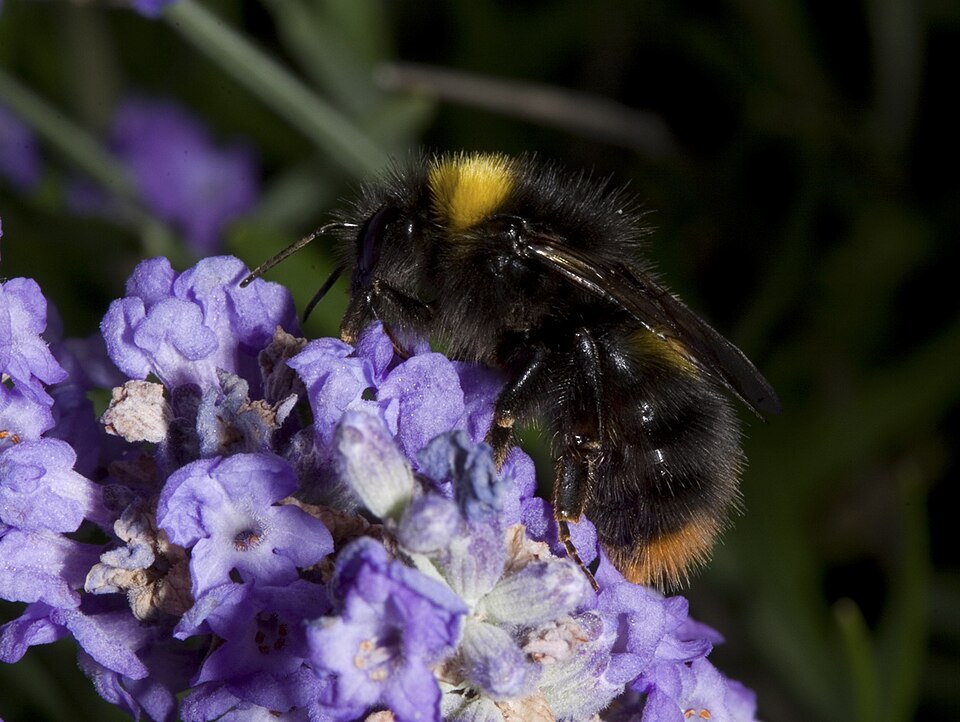
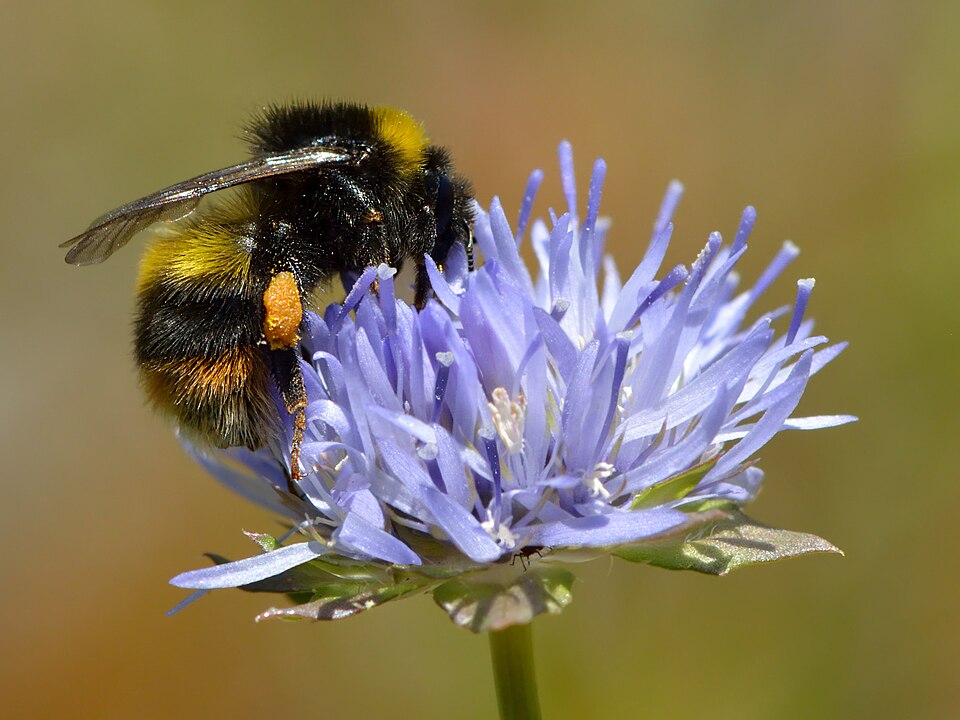
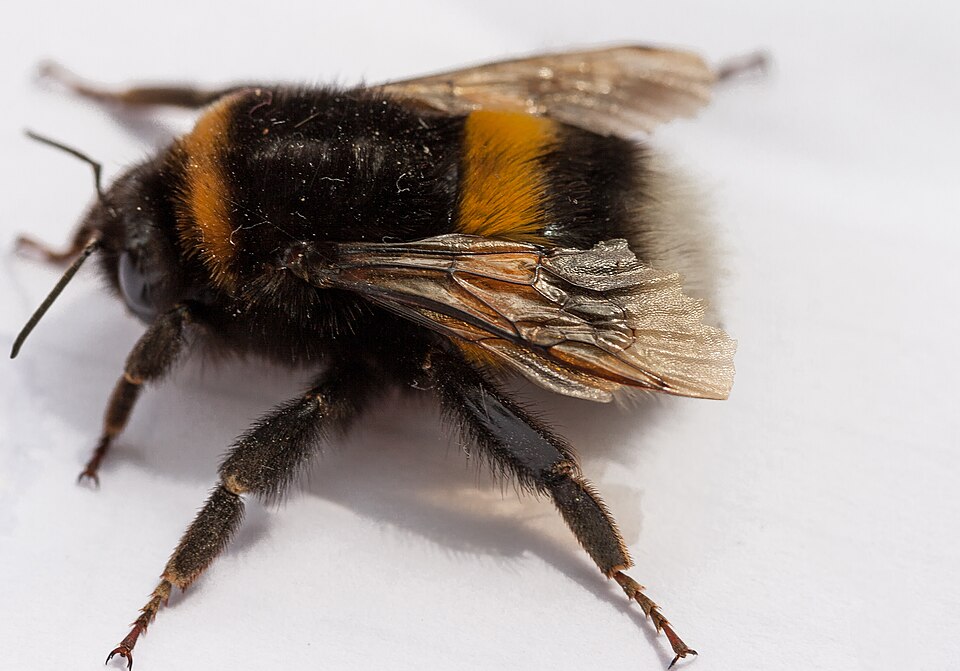
Bombus lucorum
White-tailed Bumble BeeA common large bumble bee with a white tail and a yellow collar. It nests underground in old rodent burrows and is widespread across gardens, farmlands, and forests.
USGS Bee Inventory and Monitoring Lab / Public Domain
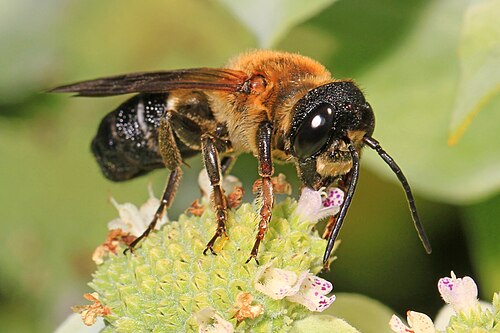
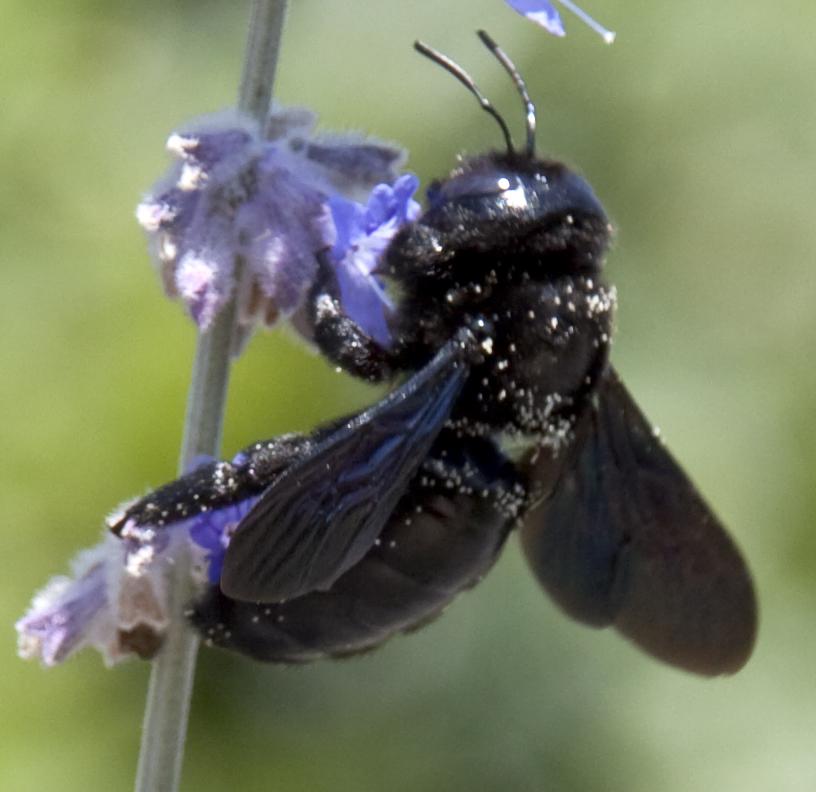
Xylocopa violacea
Violet Carpenter BeeThe largest bee in Switzerland, with a striking violet-black body and dark wings. It gnaws nesting tunnels in soft dead wood and is a powerful pollinator of large flowers.
Tony Hisgett / CC BY 2.0Colletidae — Plasterer & Yellow-face Bees
Colletidae are known as plasterer bees because they line their nest burrows with a cellophane-like secretion that dries into a waterproof membrane. Yellow-face bees (Hylaeus) are slender, mostly black and yellow, and carry pollen internally in their crop rather than on their legs.
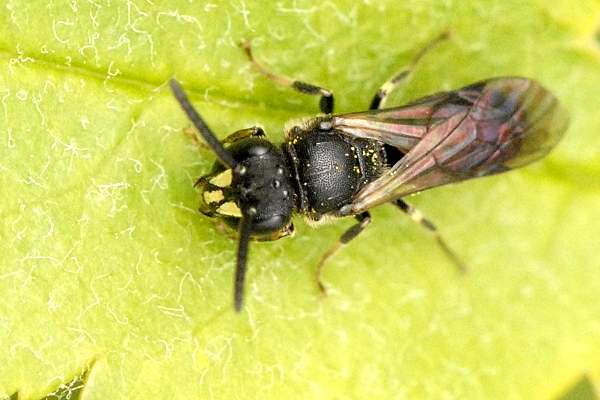
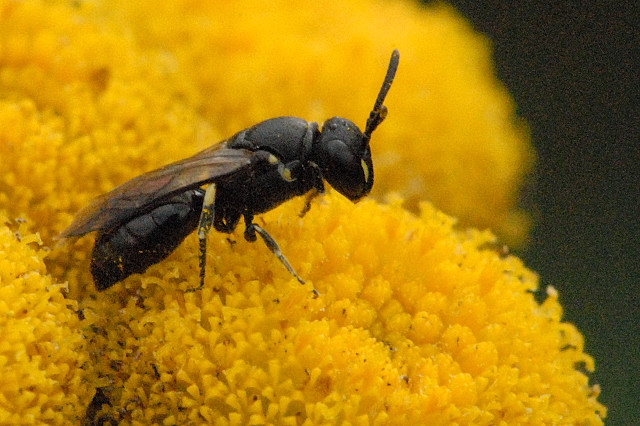
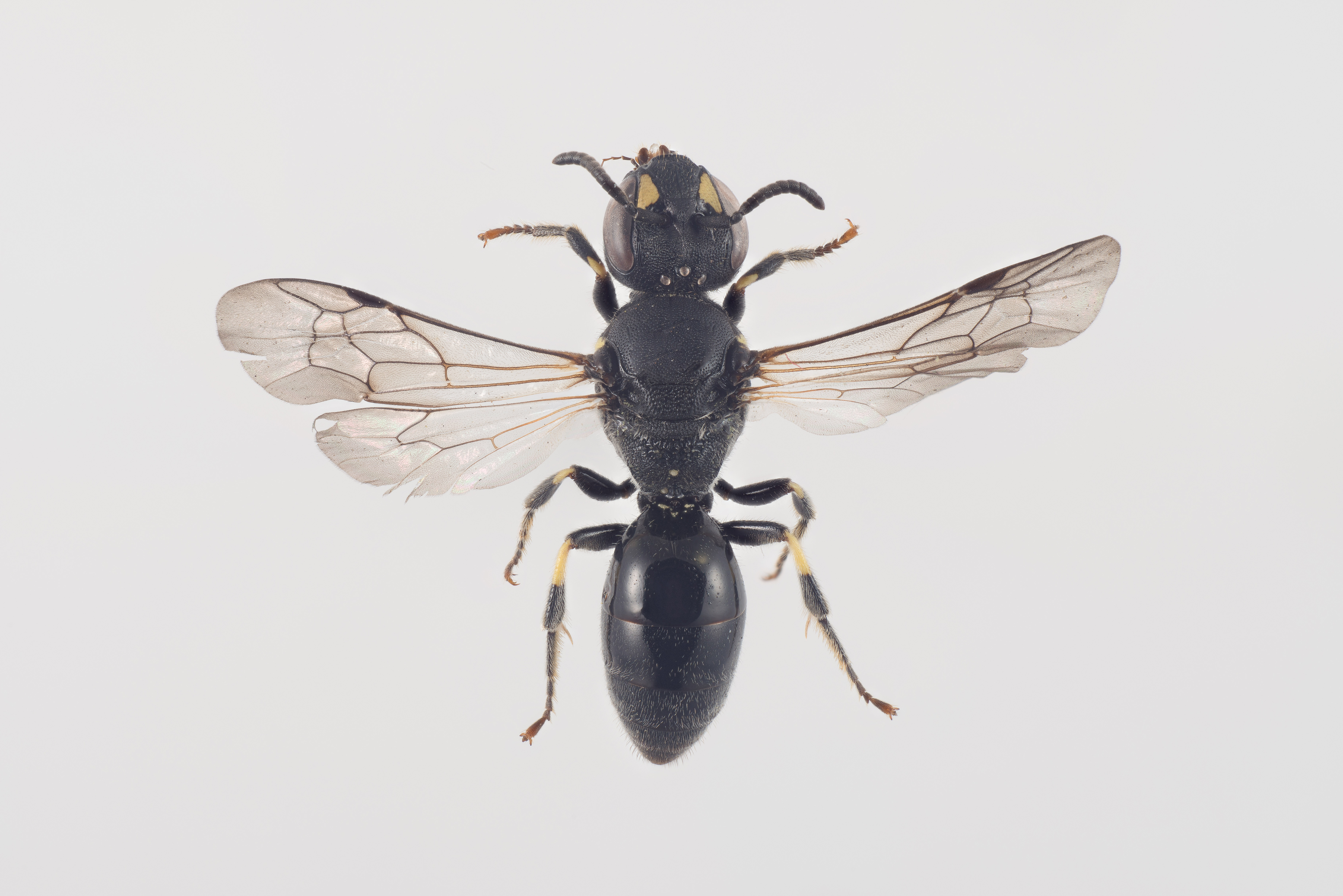
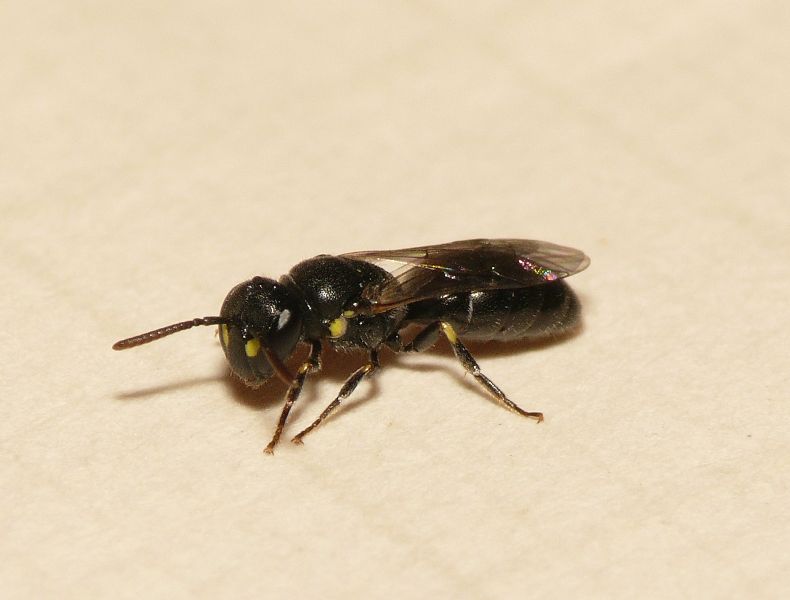
Hylaeus communis
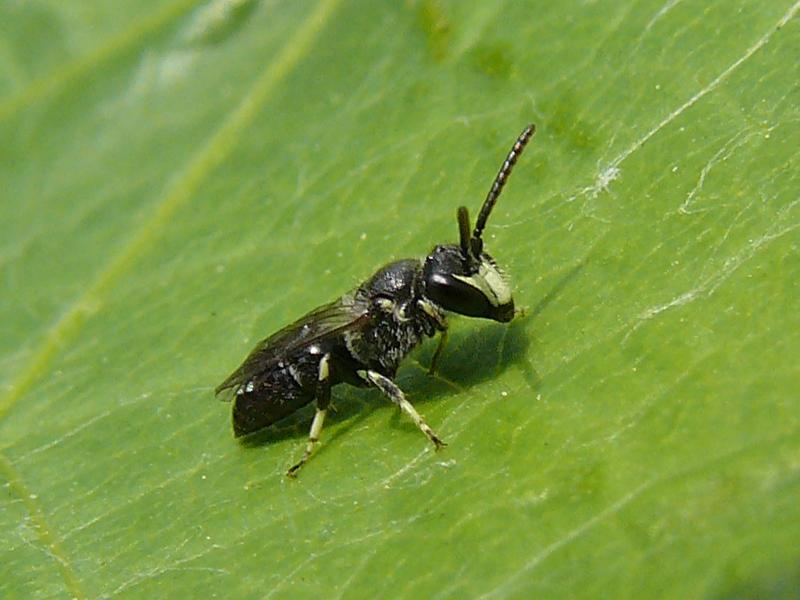
Common Yellow-face BeeA small, mostly black bee with yellow facial markings. It nests in hollow plant stems and beetle burrows, and carries pollen in its crop rather than on its legs.
James Lindsey / CC BY-SA 2.5
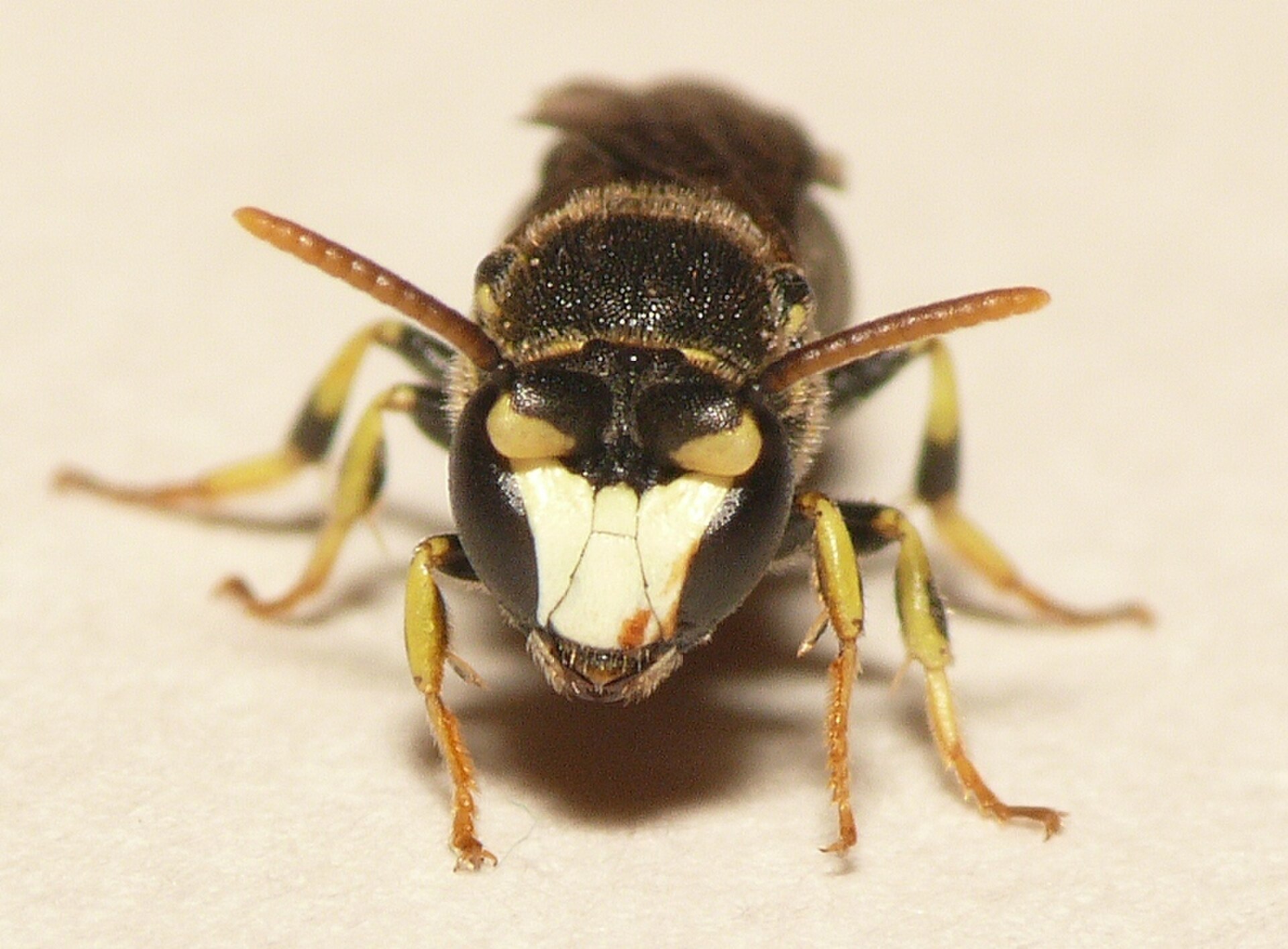
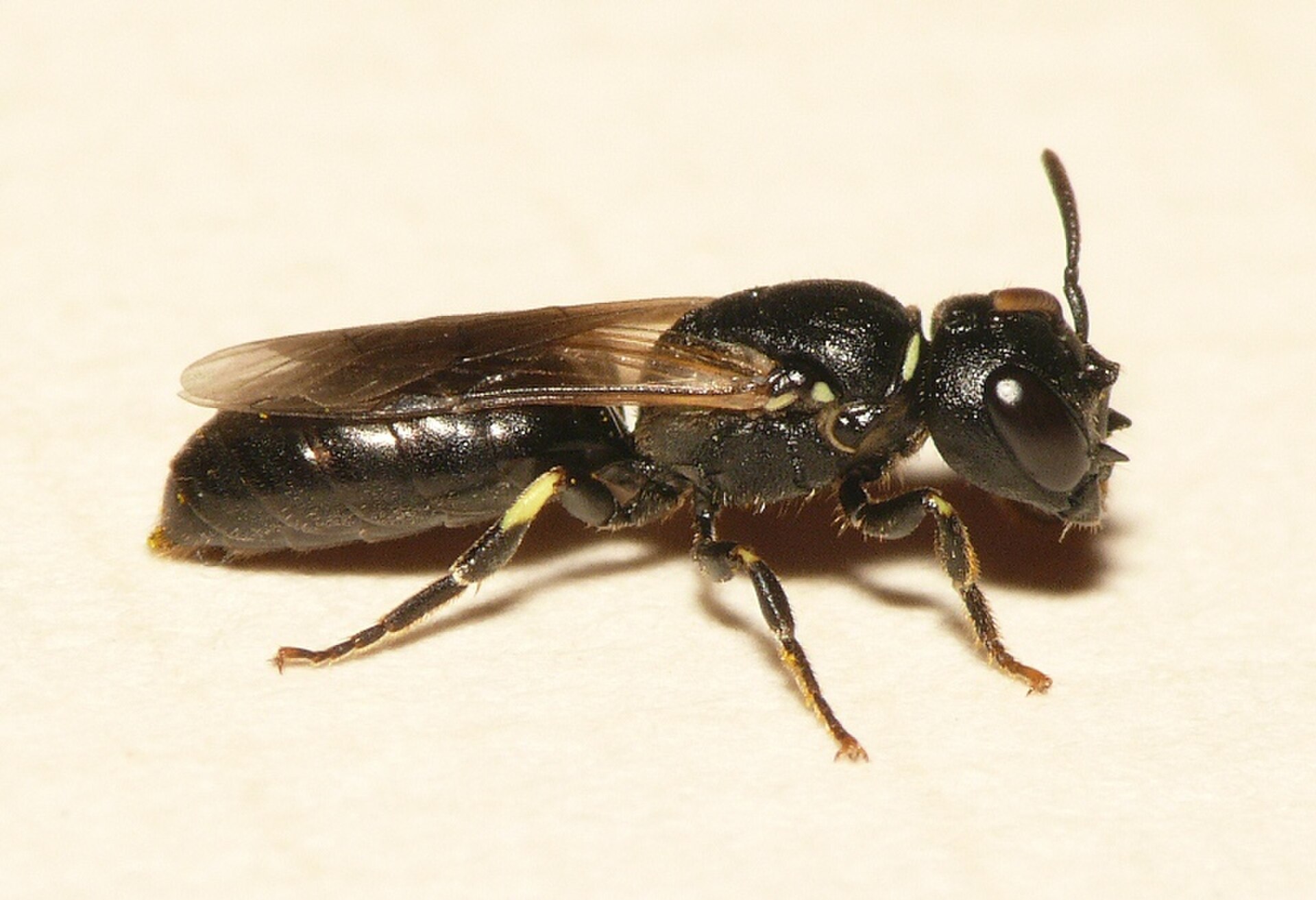
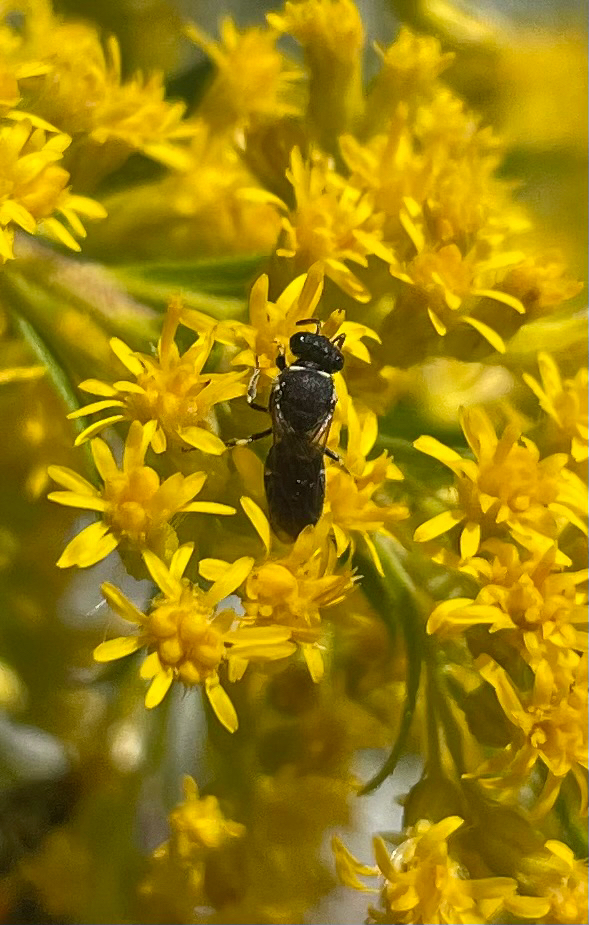
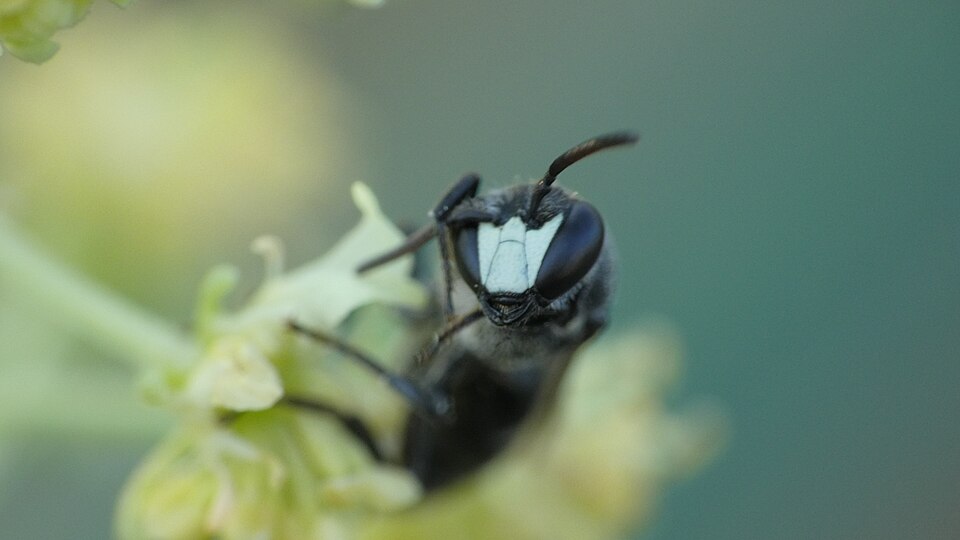
Hylaeus confusus
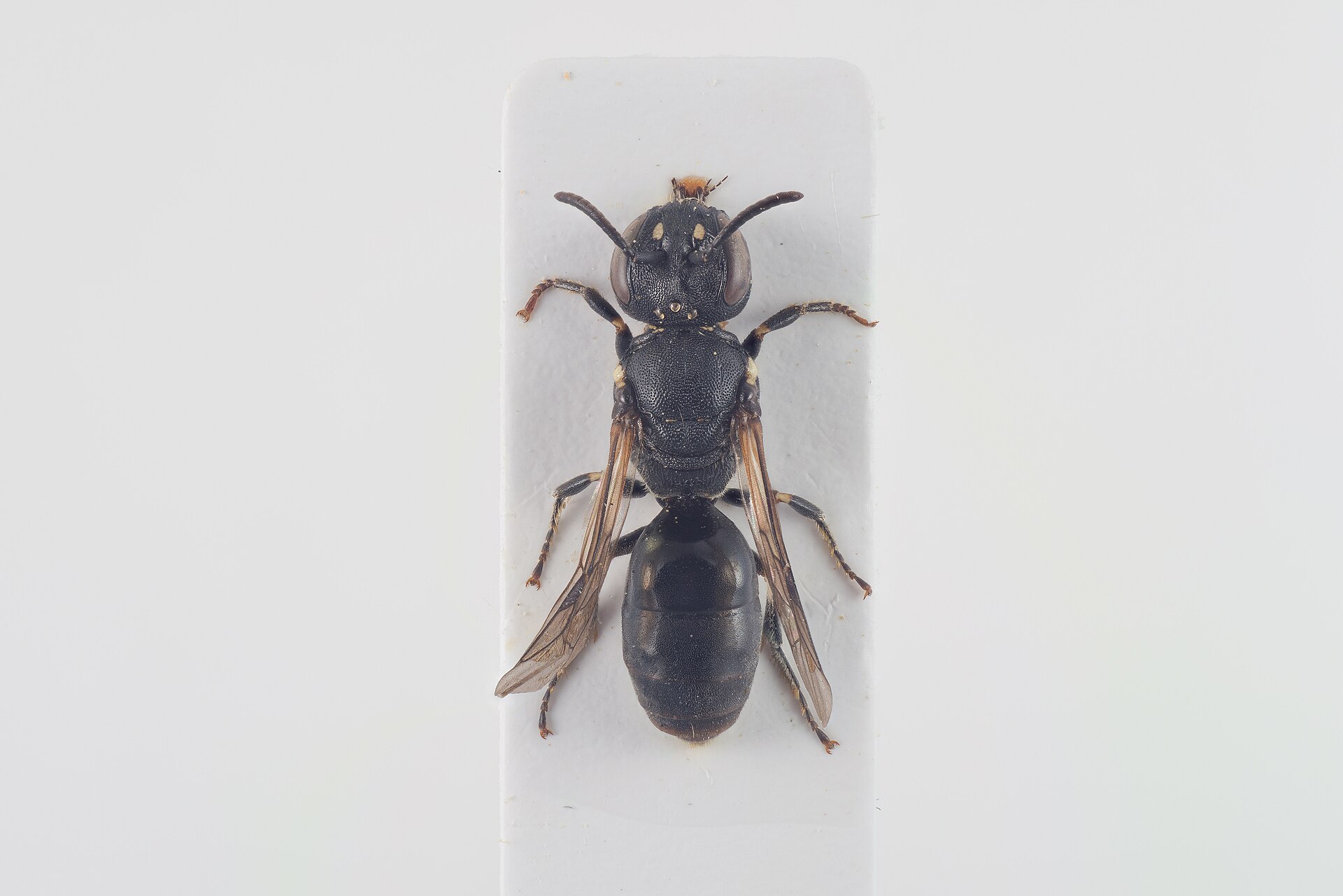
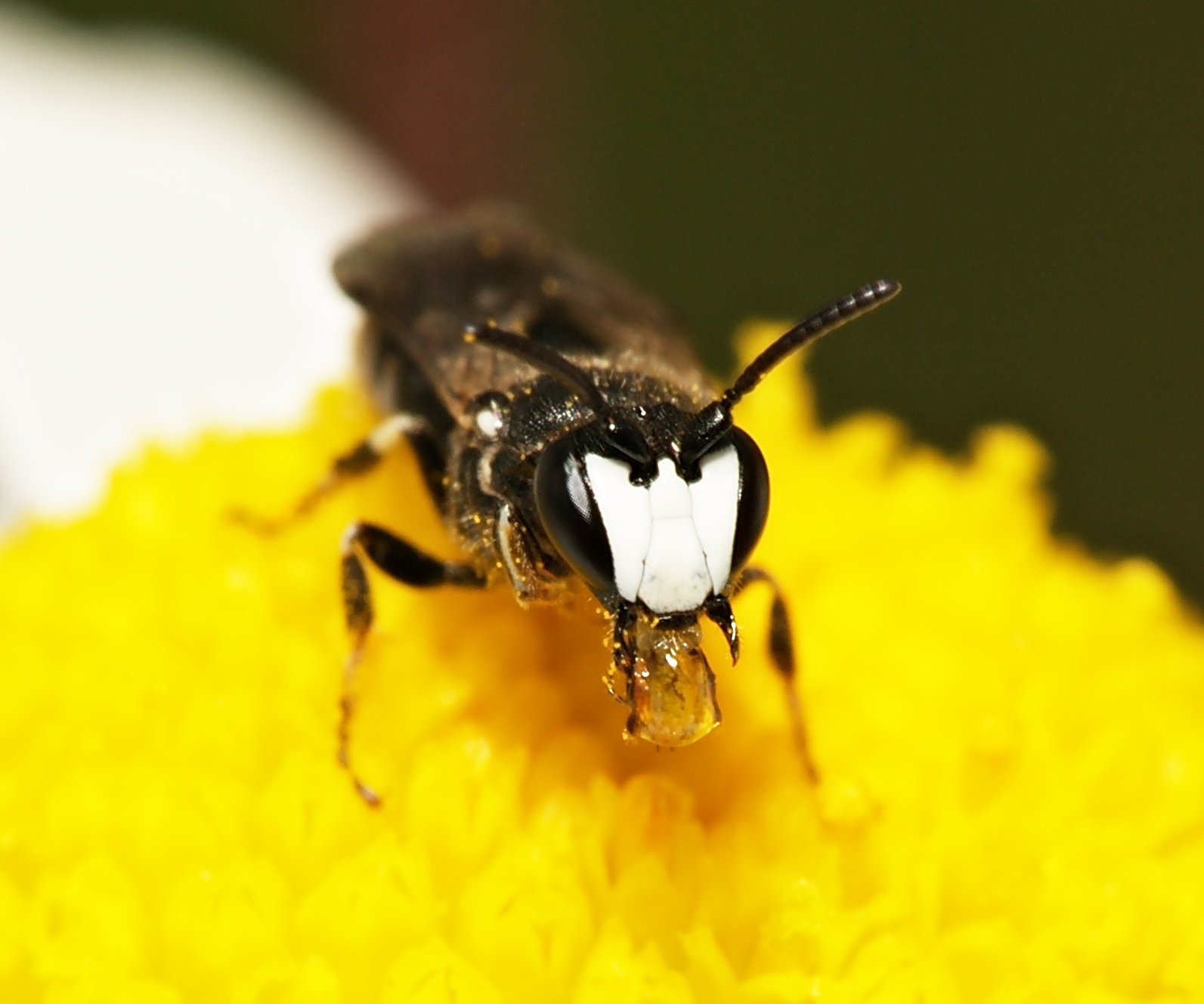
Confused Yellow-face BeeA slender yellow-face bee with white facial markings. It nests in hollow stems and is commonly found visiting wildflowers in meadows and along forest edges.
USGS Bee Inventory and Monitoring Lab / Public Domain
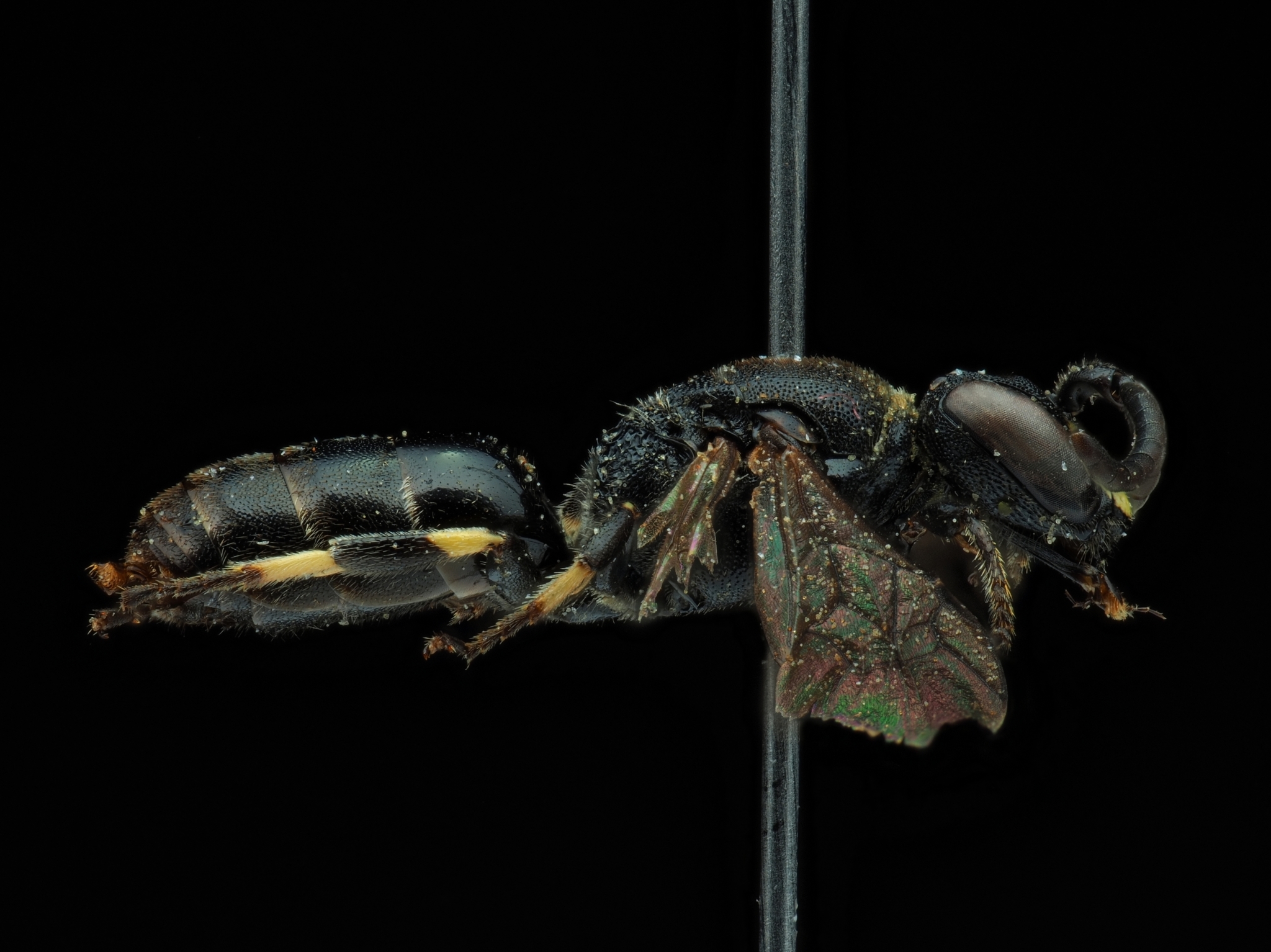
Hylaeus hyalinatus
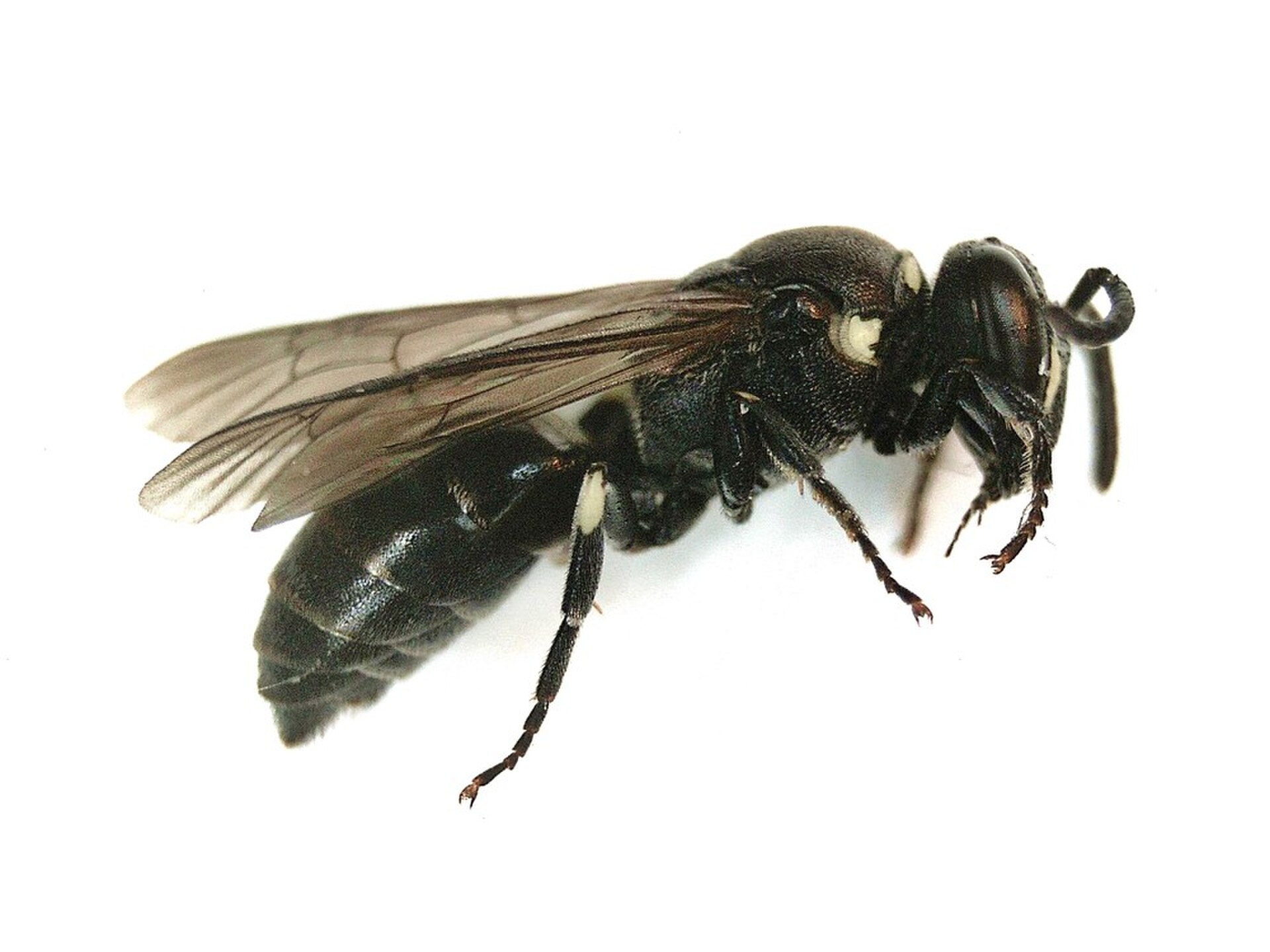
Hairy Yellow-face BeeA yellow-face bee with largely transparent wings and white face marks. Originally from Europe, it has become established in North America and nests in cavities.
USGS Bee Inventory and Monitoring Lab / Public DomainHylaeus punctatus
Dotted Yellow-face BeeA small yellow-face bee with distinctive punctuation on the head and thorax. It is associated with dry, sandy habitats and visits a range of wildflowers.
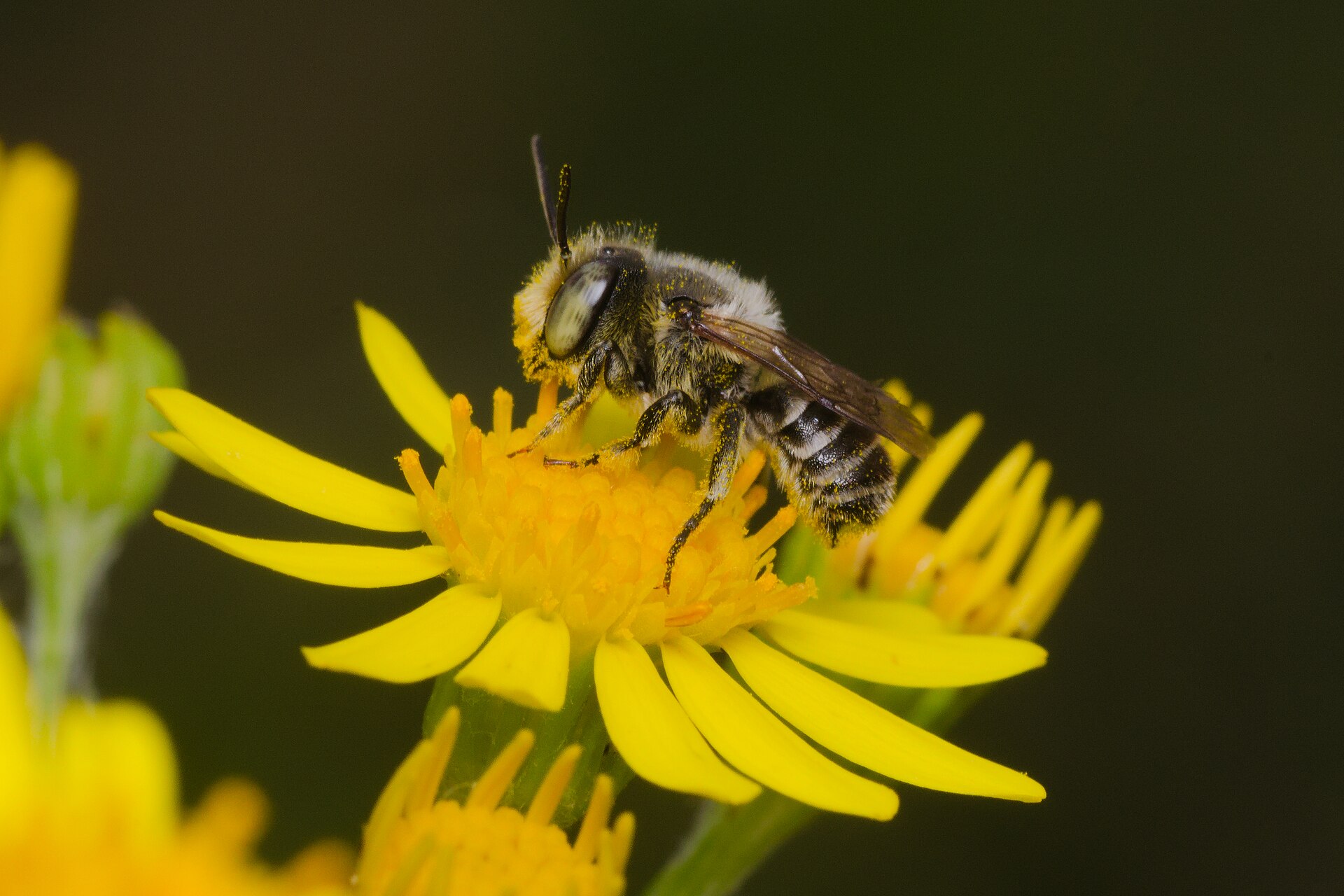
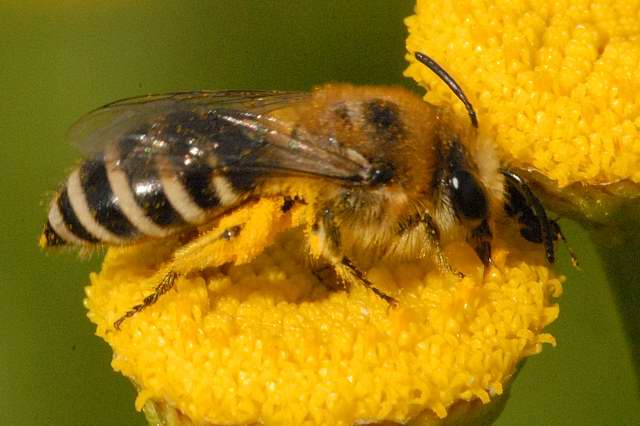
Colletes daviesanus
Davies' Plasterer BeeA medium-sized plasterer bee that lines its underground nest cells with a waterproof secretion. It specializes on composite flowers, especially tansy and ragwort.
James K. Lindsey / CC BY-SA 3.0
Colletes hederae
Ivy BeeA specialist late-autumn bee that emerges when ivy blooms. It nests in large aggregations in sandy soil and is one of the latest-flying bees in the season.
Colsu / Wikimedia Commons / CC BY-SA 4.0Halictidae — Sweat Bees
Halictidae, commonly called sweat bees, range from solitary to primitively social. Many species have a metallic sheen and are attracted to human perspiration for salts. They nest in soil or rotting wood and are important generalist pollinators in meadows and gardens.
Halictus rubicundus
Orange-legged Furrow BeeA distinctive sweat bee with orange-red legs and a metallic greenish body. It nests in bare soil in large aggregations and exhibits a wide range of social behaviors.
Martien van den Heuvel / Wikimedia Commons / CC BY
Halictus tumulorum
Bronze Furrow BeeA small metallic-green sweat bee found in a wide range of habitats. Females nest in bare soil and often share a common entrance tunnel in small aggregations.
Aiwok / CC BY-SA 3.0
Lasioglossum albipes
White-legged Furrow BeeA small sweat bee with pale leg hairs, common in meadows and gardens. It nests in bare soil and is a generalist forager on many flower species.
James K. Lindsey / CC BY-SA 3.0
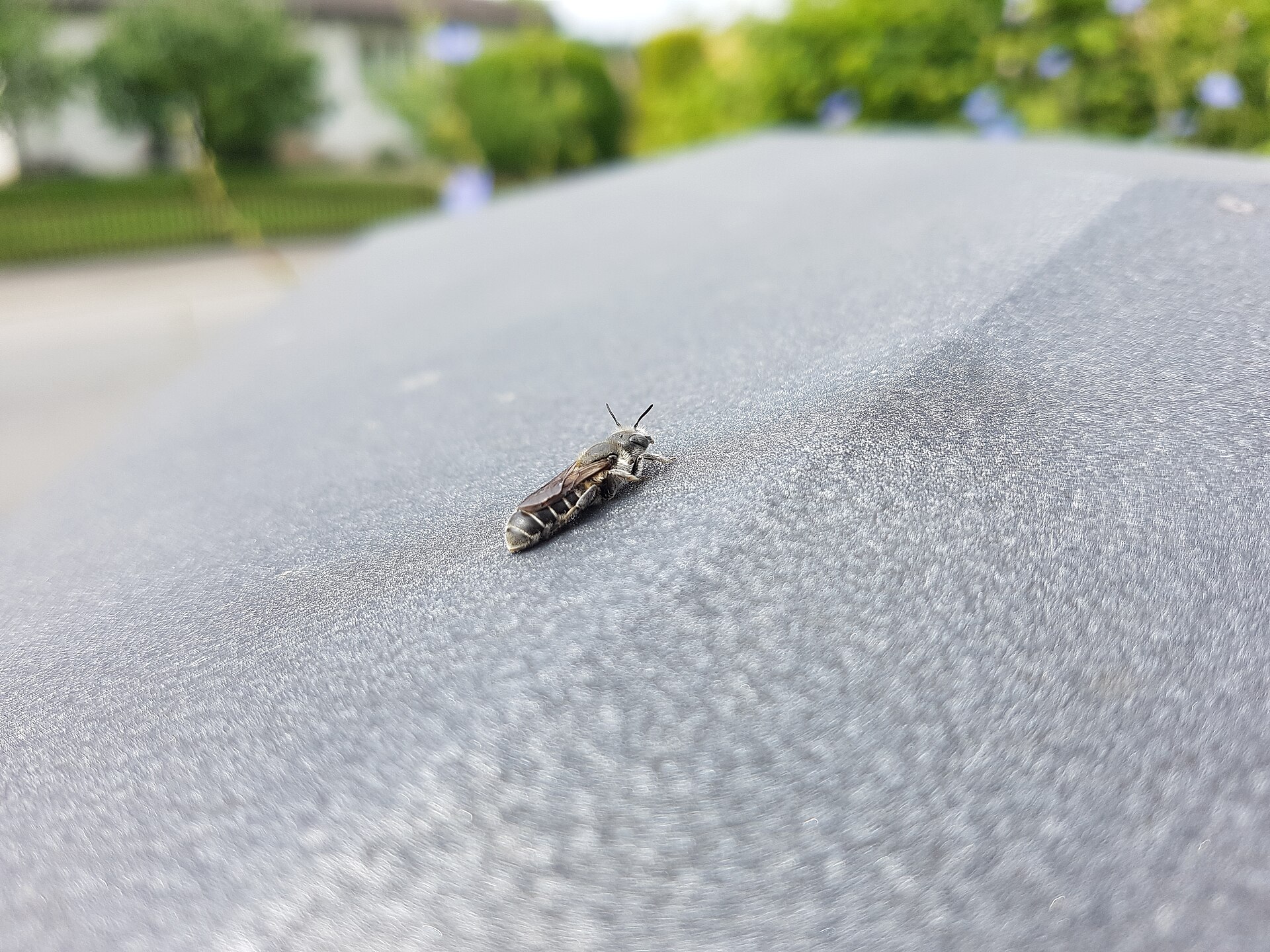
Lasioglossum leucozonium
White-banded Furrow BeeA medium-sized sweat bee with distinct white hair bands on the abdomen. It is a common and important pollinator of many crops and wild plants across its Holarctic range.
USGS Bee Inventory and Monitoring Lab / Public Domain
Lasioglossum zonulum
Green Furrow BeeA striking metallic-green sweat bee, one of the larger Lasioglossum species. It nests in bare soil and is often seen on brambles and thistles in sunny locations.
James K. Lindsey / CC BY-SA 3.0Megachilidae — Leafcutter & Mason Bees
Megachilidae are solitary bees known for their unique nesting behaviors. Leafcutter bees cut circular pieces from leaves to line their nests, while mason bees use mud or plant resins. All carry pollen on their underside (scopa) rather than on their hind legs.
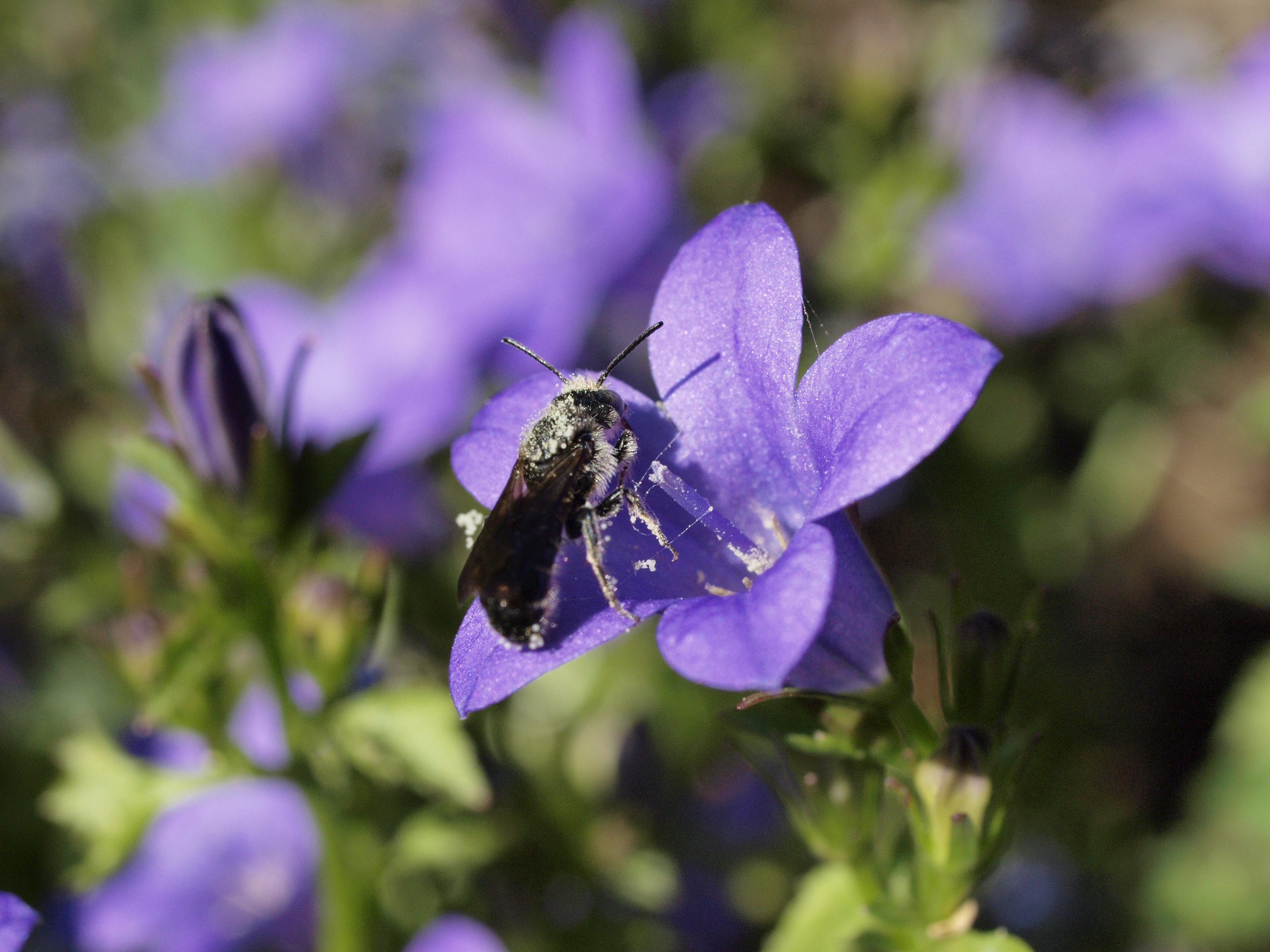
Chelostoma campanularum
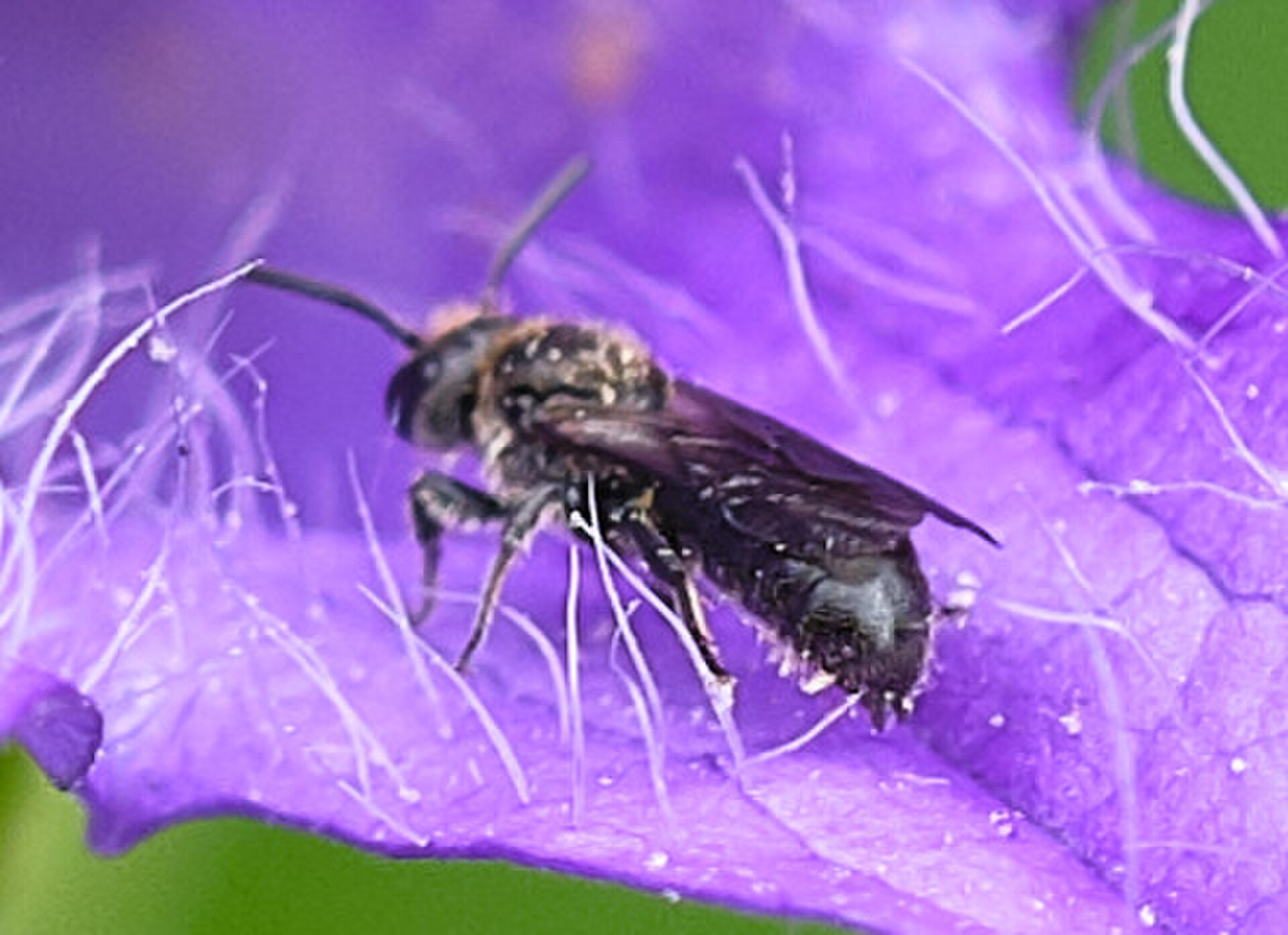
Harebell Carpenter BeeA tiny slender bee specialized on bellflowers (Campanula). Females nest in hollow stems and dead wood and are one of the few insects that can enter narrow bellflower corollas.
Lukas Large / Wikimedia Commons / CC BY-SA 2.0
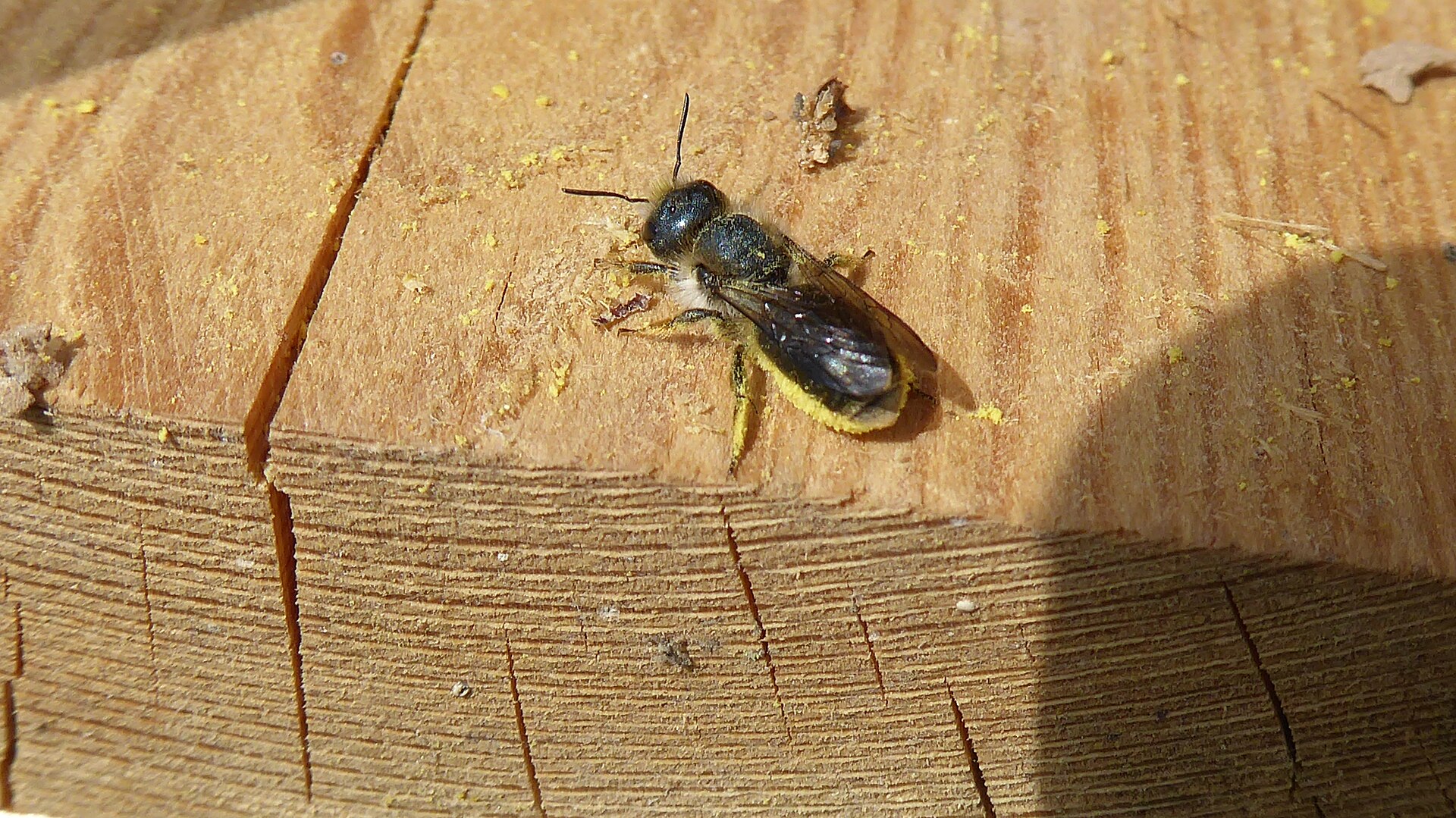
Chelostoma rapunculi
Rampion Carpenter BeeA slender black bee that specializes on Campanula flowers. It nests in pre-existing cavities and dead wood, using mud to partition its nest cells.
linsepatron / CC BY 2.0
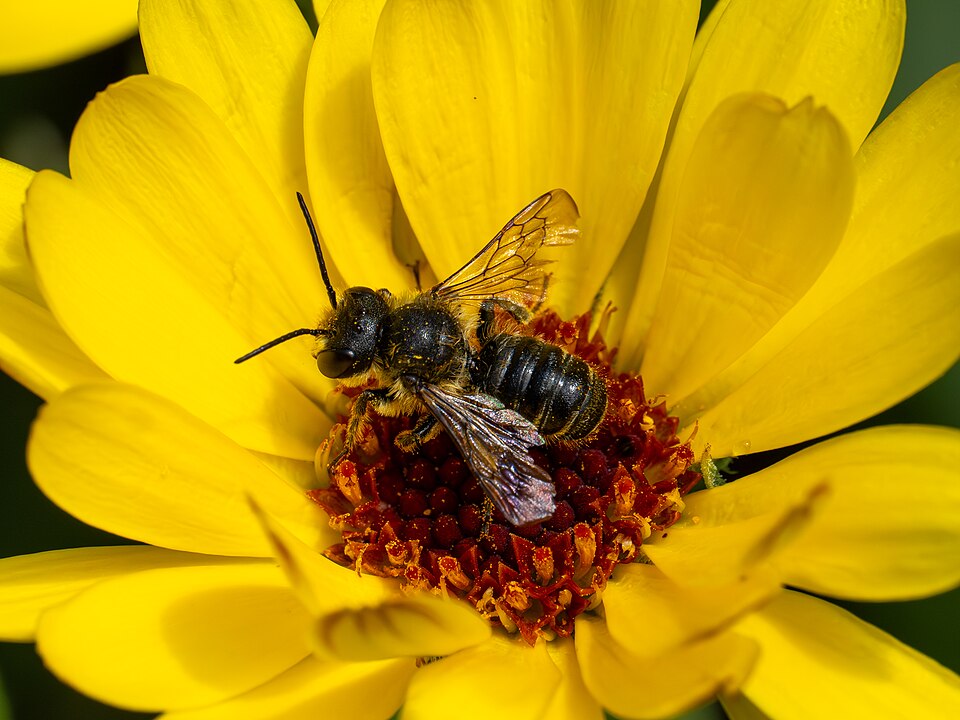
Megachile centuncularis
Common Leafcutter BeeA medium-sized leafcutter bee that cuts circular pieces from rose and birch leaves to build its nest cells. It nests in cavities and dead wood and is an important alfalfa pollinator.
James K. Lindsey / CC BY-SA 3.0
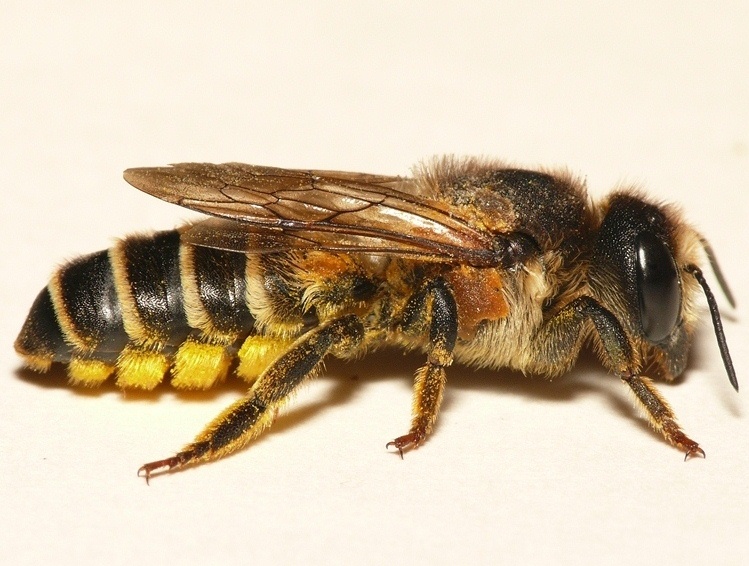
Megachile ericetorum
Heather Leafcutter BeeA robust leafcutter bee that specializes on Fabaceae (legume) flowers. It uses leaf pieces to line its nest burrows in the ground and dead wood.
Dick Belgers / Wikimedia Commons / CC BY 3.0
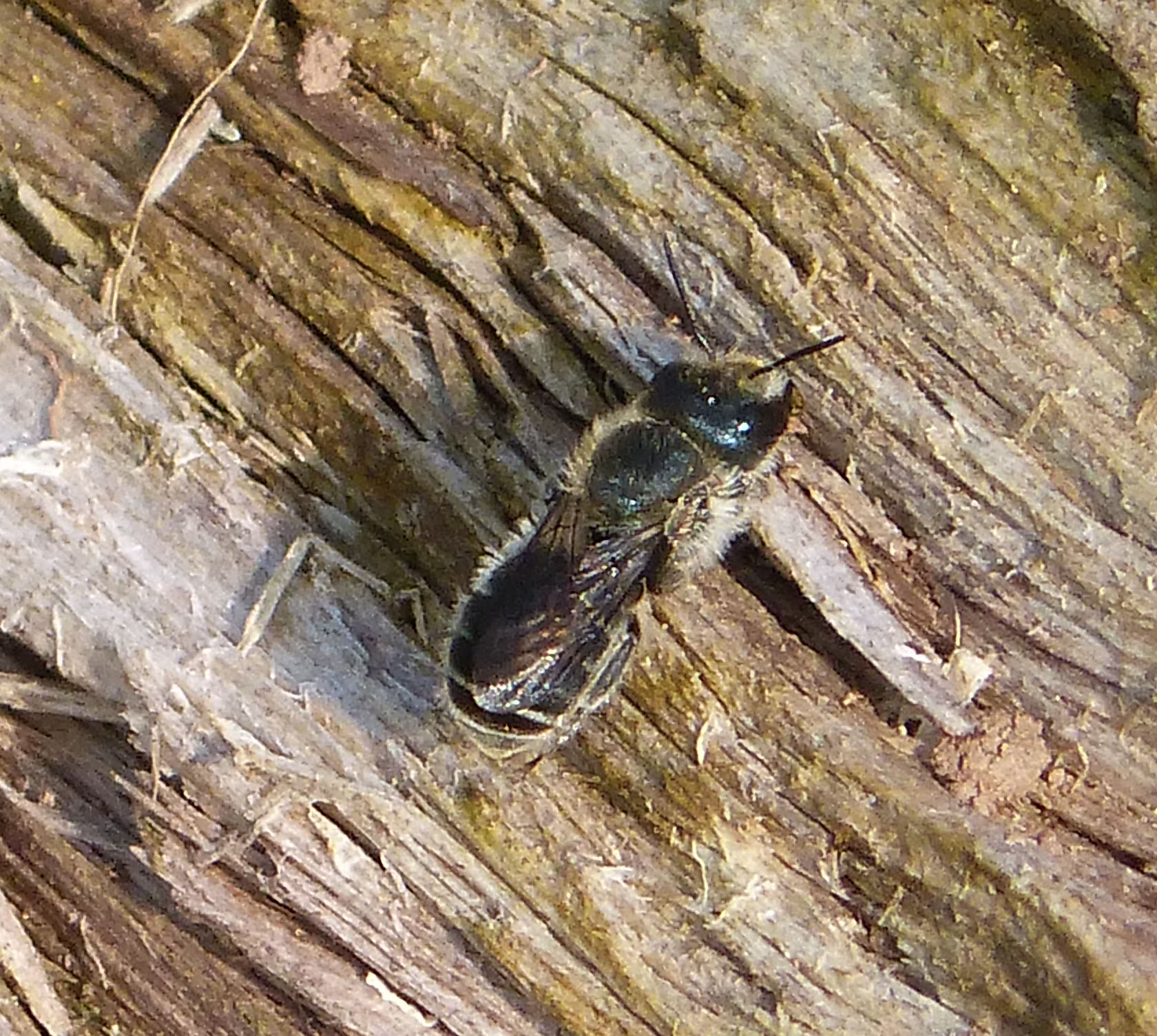
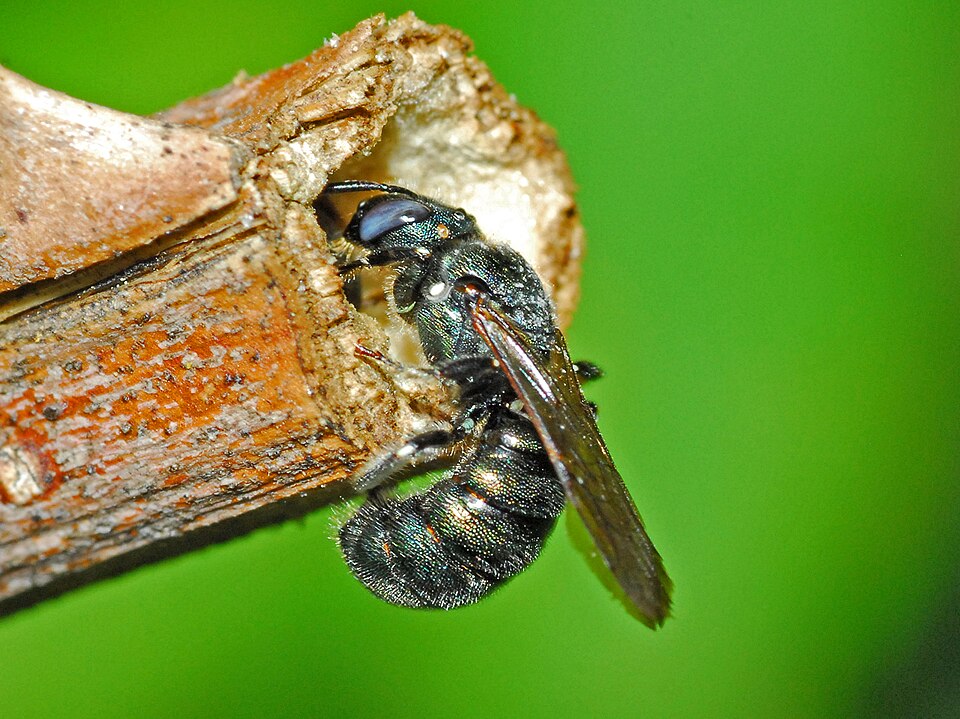
Osmia caerulescens
Blue Mason BeeA metallic-blue mason bee that nests in pre-existing cavities such as hollow stems and beetle holes. It is an excellent pollinator of fruit trees and uses mud to seal its nest cells.
gailhampshire / Wikimedia Commons / CC BY 2.0
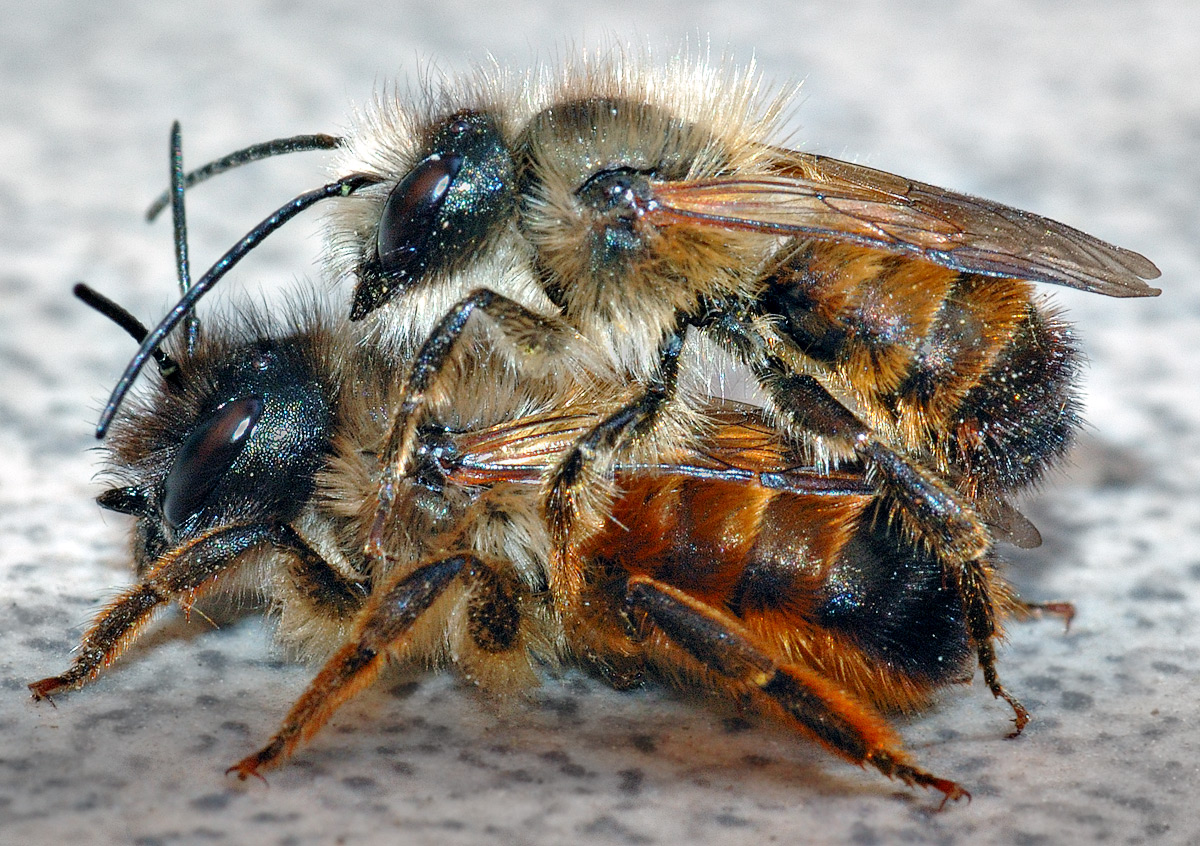
Osmia bicornis
Red Mason BeeA common spring mason bee with a ginger-red coat of hairs on the thorax. It readily uses bee hotels and nesting tubes, making it a popular garden pollinator throughout Europe and parts of North America.
USGS Bee Inventory and Monitoring Lab / Public Domain
Osmia cornuta
European Orchard BeeA large spring mason bee with a distinctive red abdomen and black face. It emerges early in spring and is a crucial pollinator of orchard trees, especially apple and cherry blossoms.
USGS Bee Inventory and Monitoring Lab / CC BY-SA
Anthidium manicatum
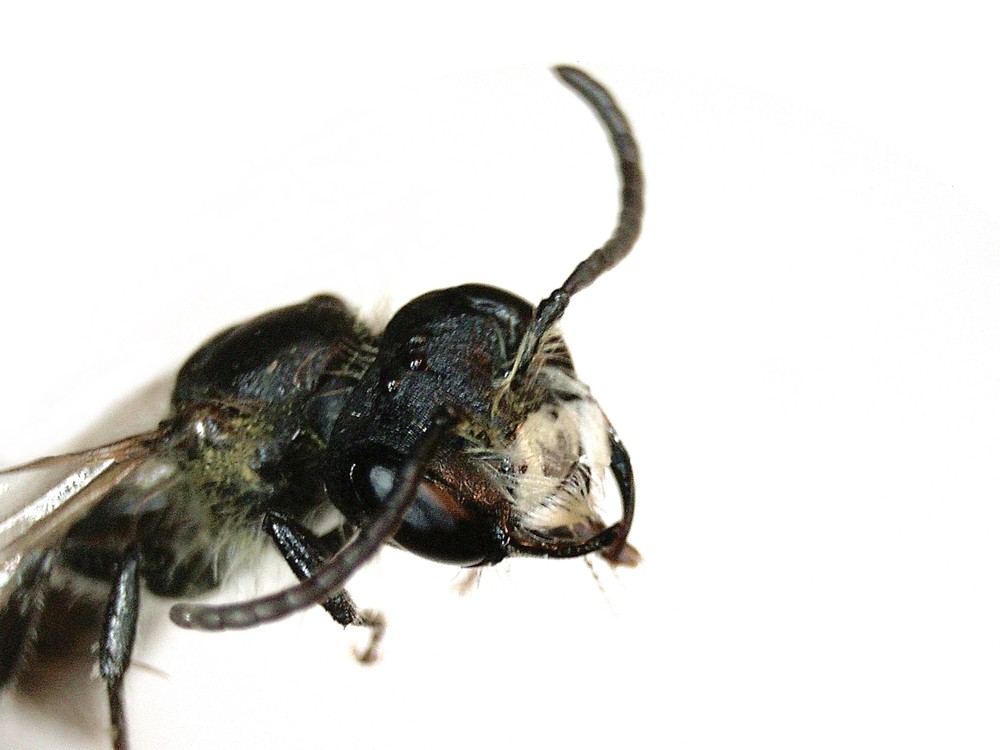
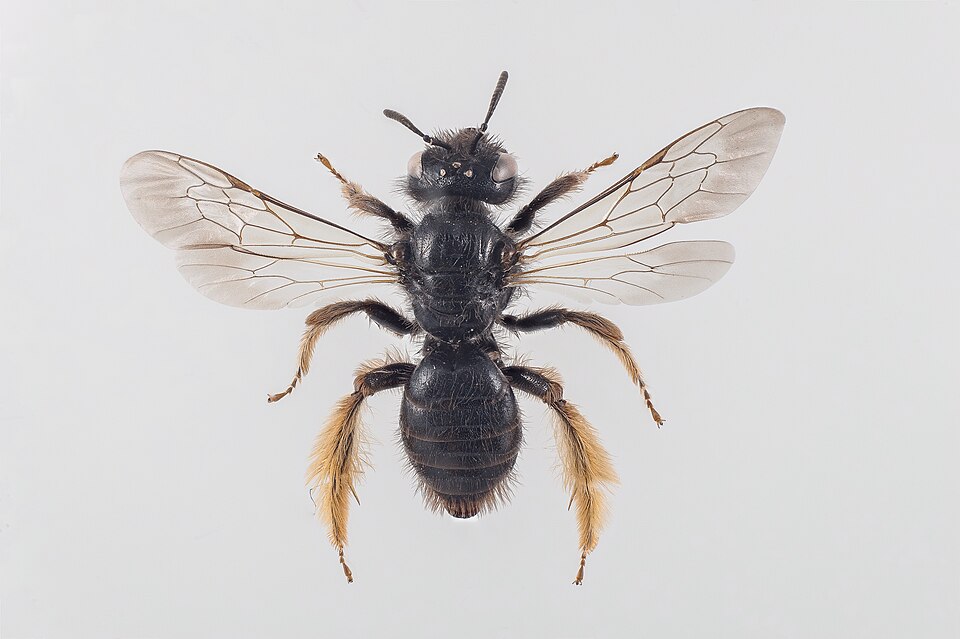
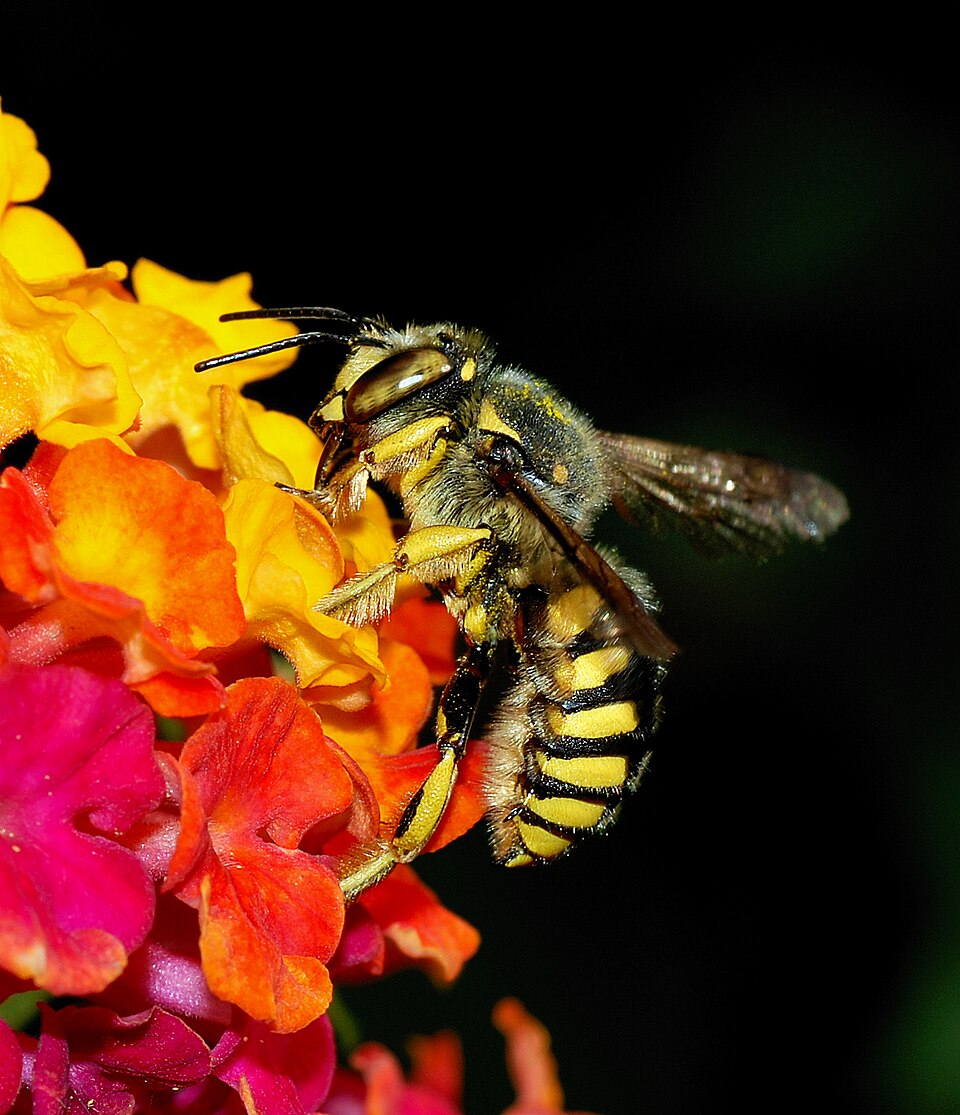
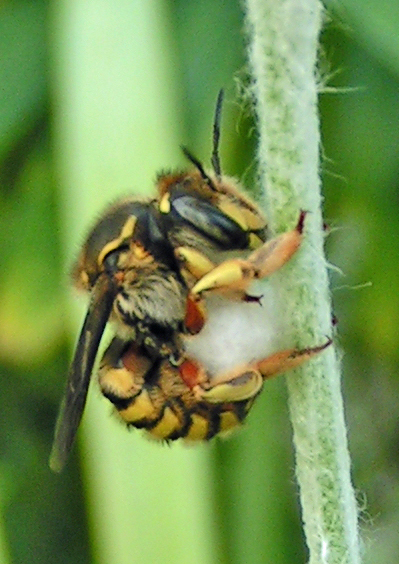
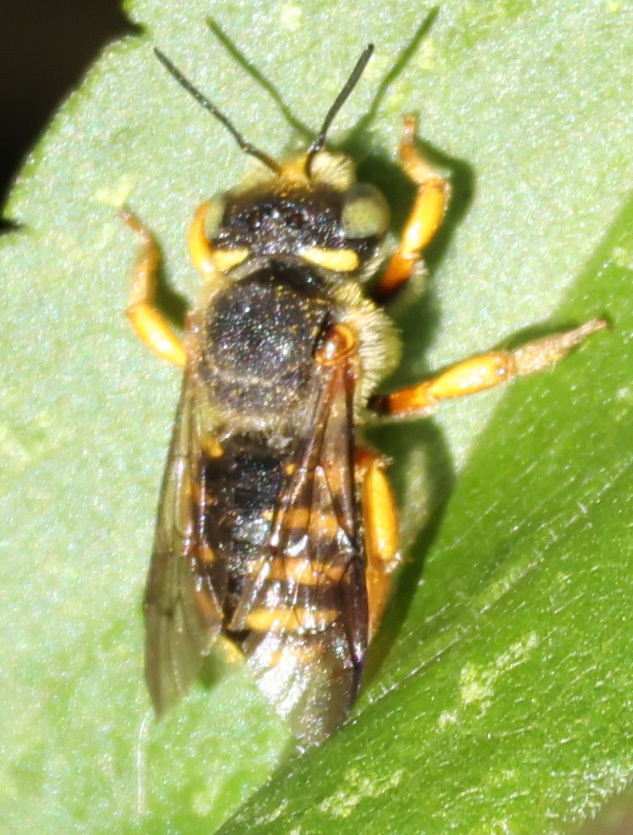
European Wool Carder BeeA large, striking bee that collects plant hairs (not pollen) to line its nest. Males are territorial and aggressively defend flower patches. It was introduced from Europe to North America.
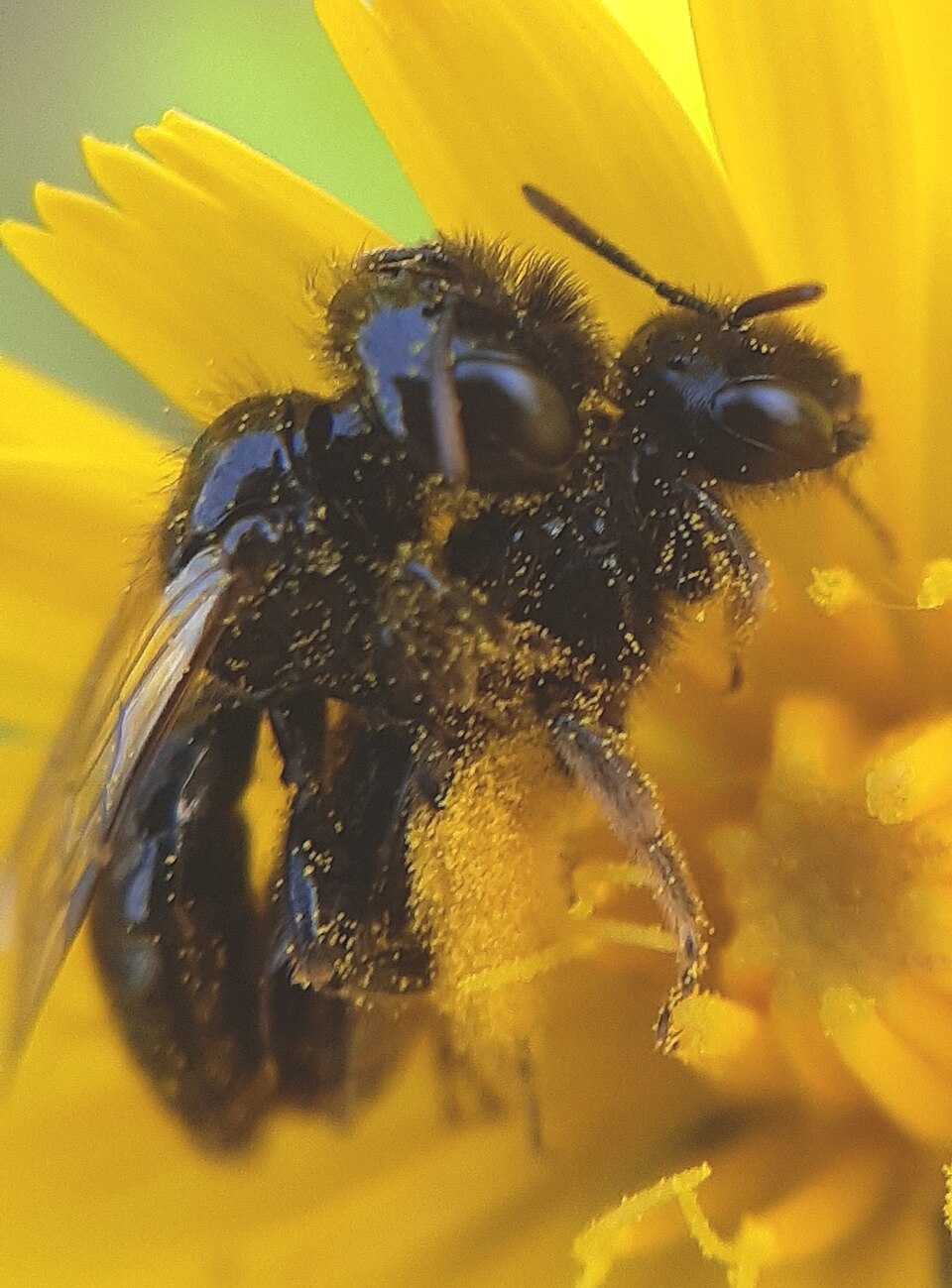
Jacy Lucier / Wikimedia Commons / CC BY-SA 4.0
Megachile rotundata
Alfalfa Leafcutter BeeA managed crop pollinator introduced worldwide for alfalfa seed production. It cuts neat oval leaf pieces to line its nest and is an efficient, solitary cavity-nesting bee.
Adrian Tync / CC BY-SA 4.0