Xylocopa violacea
Switzerland's largest bee (20–28 mm) with iridescent violet wings. It bores tunnels into dead wood with powerful mandibles — a true carpenter bee.
The strangest, quirkiest and most fascinating wild bees of Switzerland.
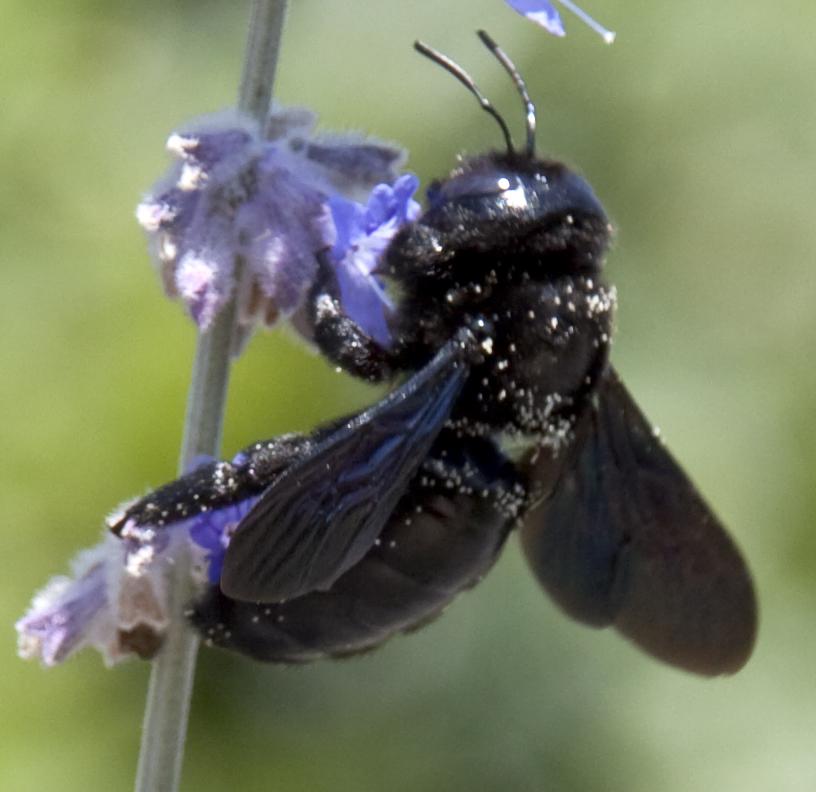
Switzerland's largest bee (20–28 mm) with iridescent violet wings. It bores tunnels into dead wood with powerful mandibles — a true carpenter bee.
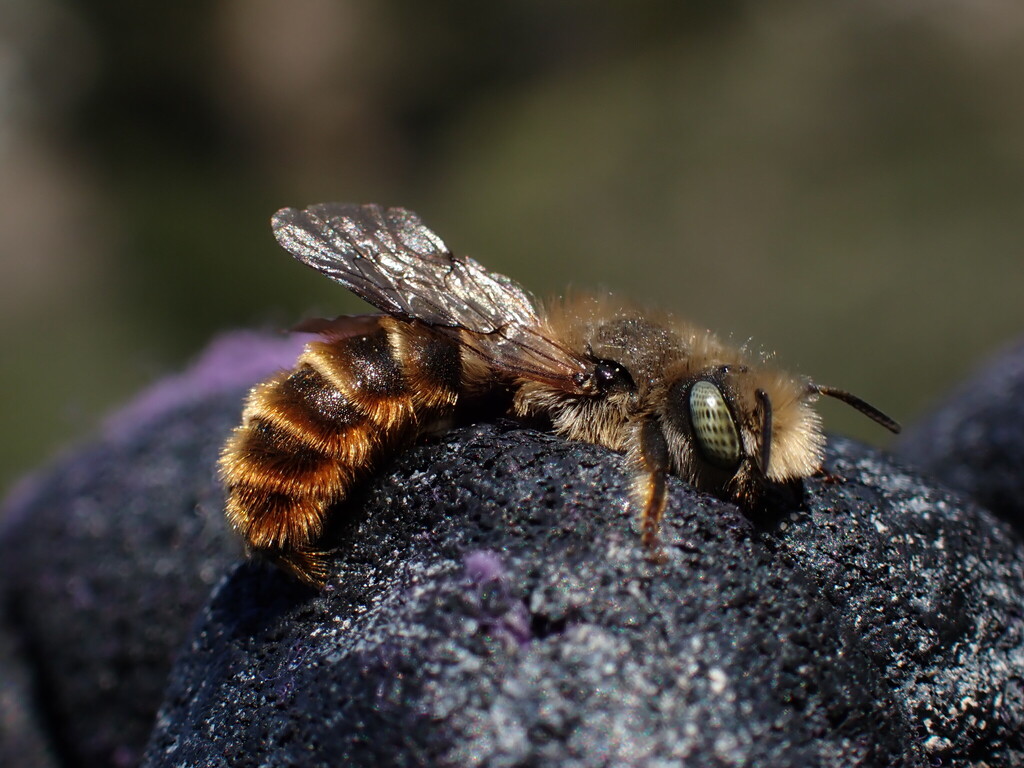
This mason bee nests in empty snail shells instead of soil or cavities — the only Swiss species with this quirky preference.
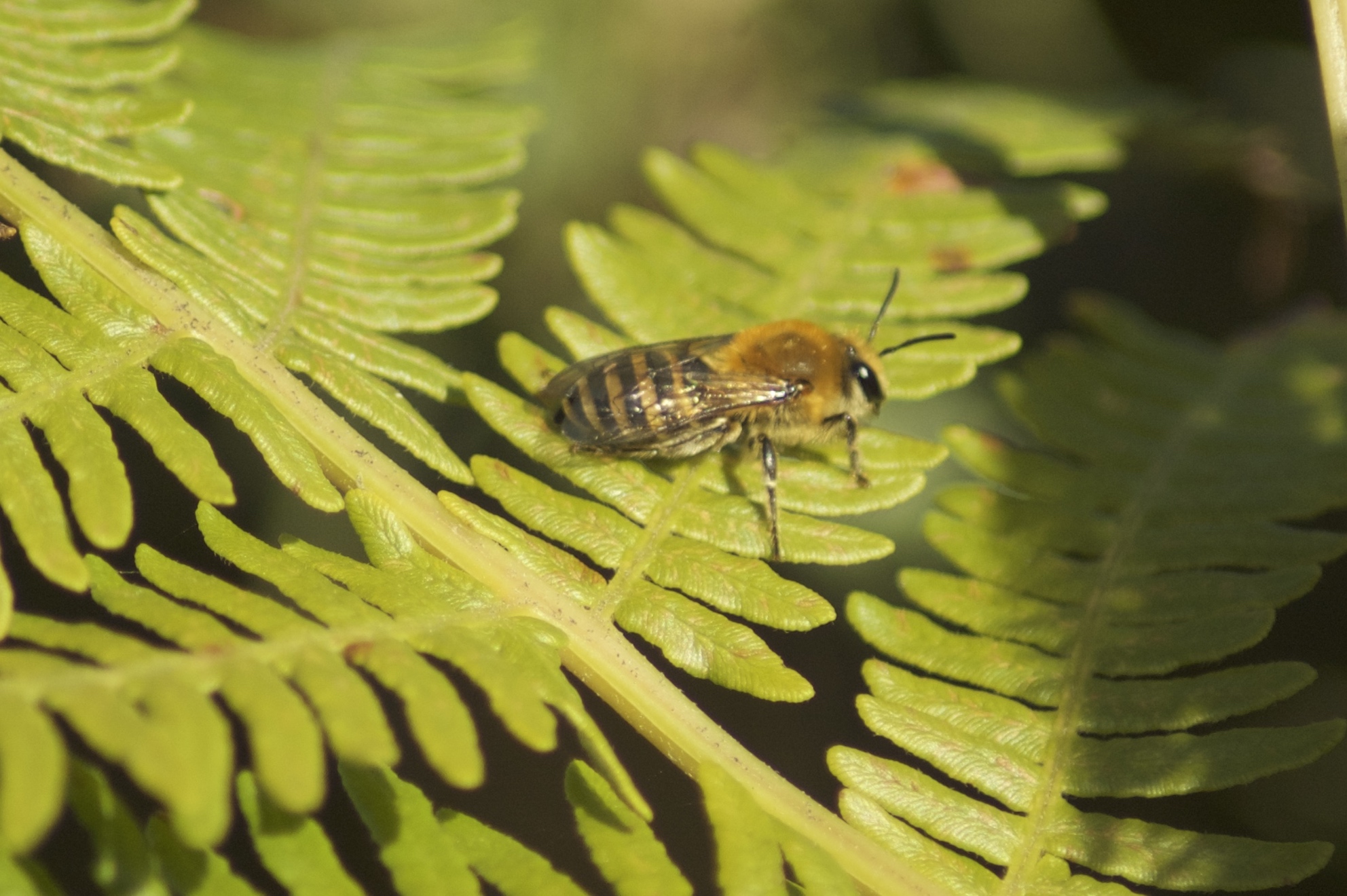
The only Swiss bee that flies in autumn (September–November). First described in 1993 and has since expanded rapidly northwards.
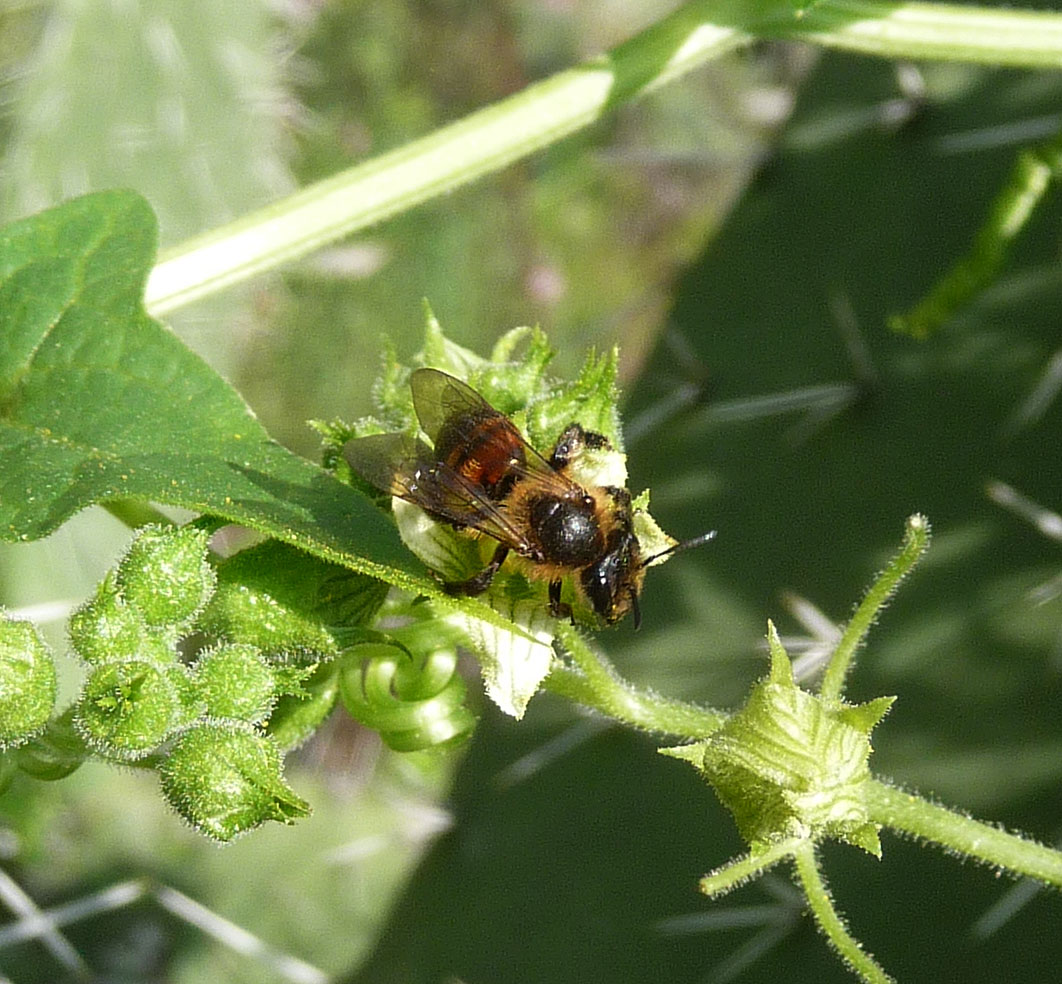
Both sexes sleep inside bryony flowers at night. Wake up, collect pollen, go back to sleep — the cosiest life of any Swiss bee.
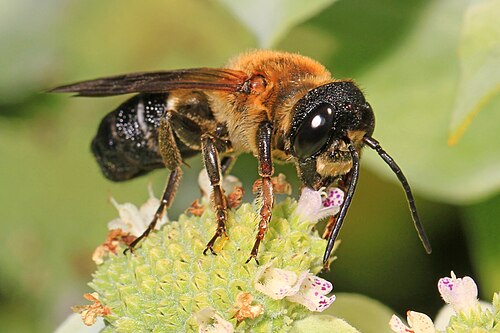
A 19–25 mm giant from East Asia spreading rapidly across Switzerland. With its four-toothed mandibles it looks like a tiny superhero.
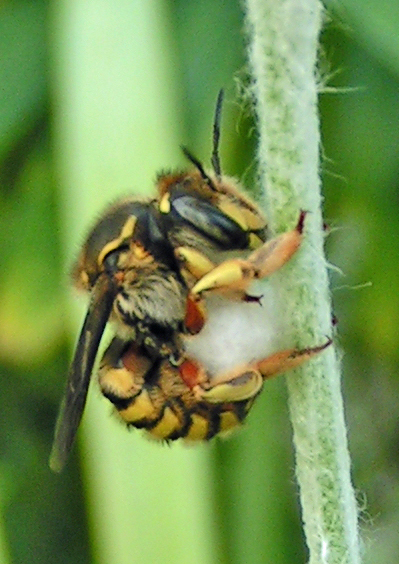
Males have three sharp abdominal spines and fight fierce aerial battles over territory. Females scrape plant 'wool' for nest lining — hence 'wool carder bee'.
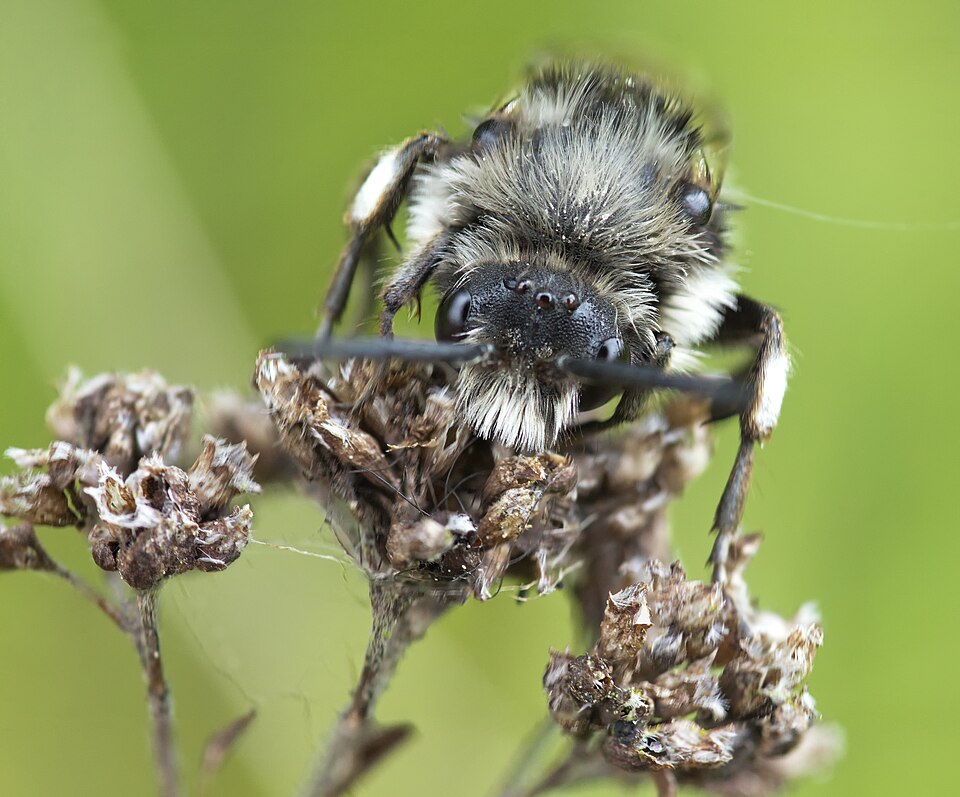
This cuckoo bee looks like a tiny panda: jet black with cream spots. It has no pollen-collecting apparatus — it smuggles its eggs into other bees' nests.
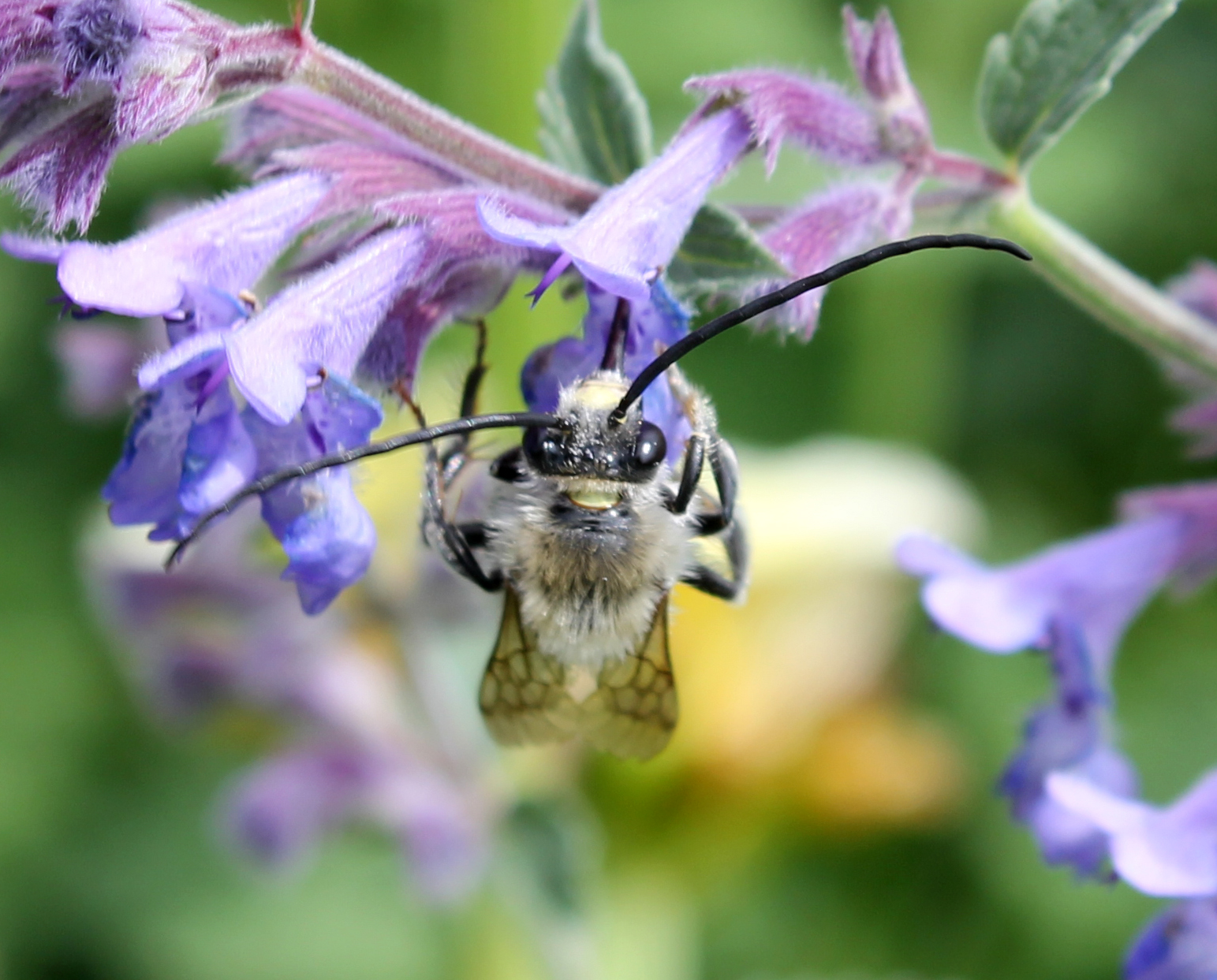
Males have antennae as long as their entire body — an alien-like appearance. They also sport a bright yellow face mask.
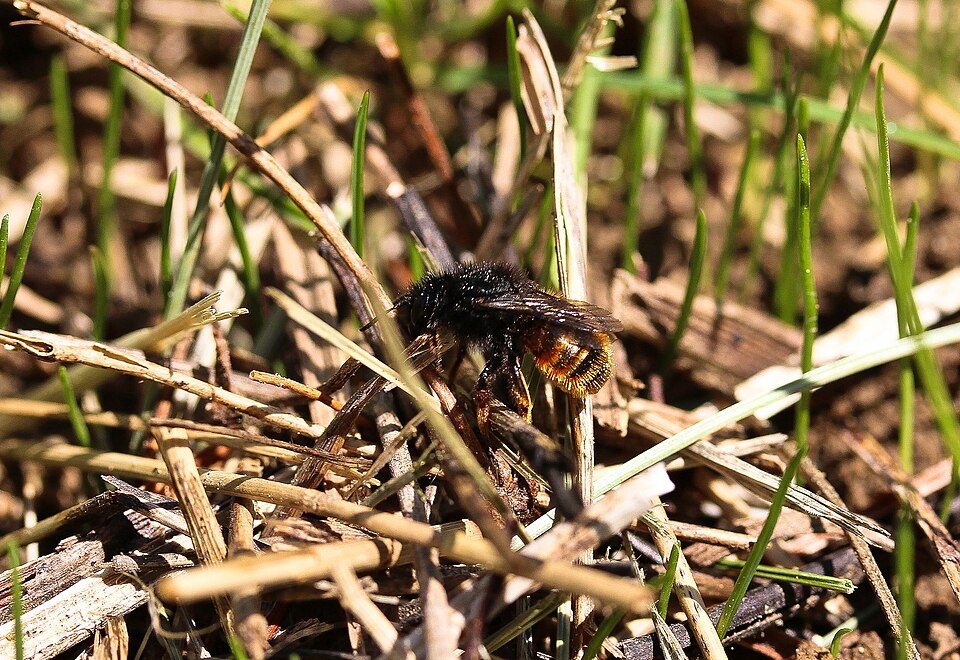
Also nests in snail shells, but then camouflages them with pine needles and grass — a master of disguise in the bee world.
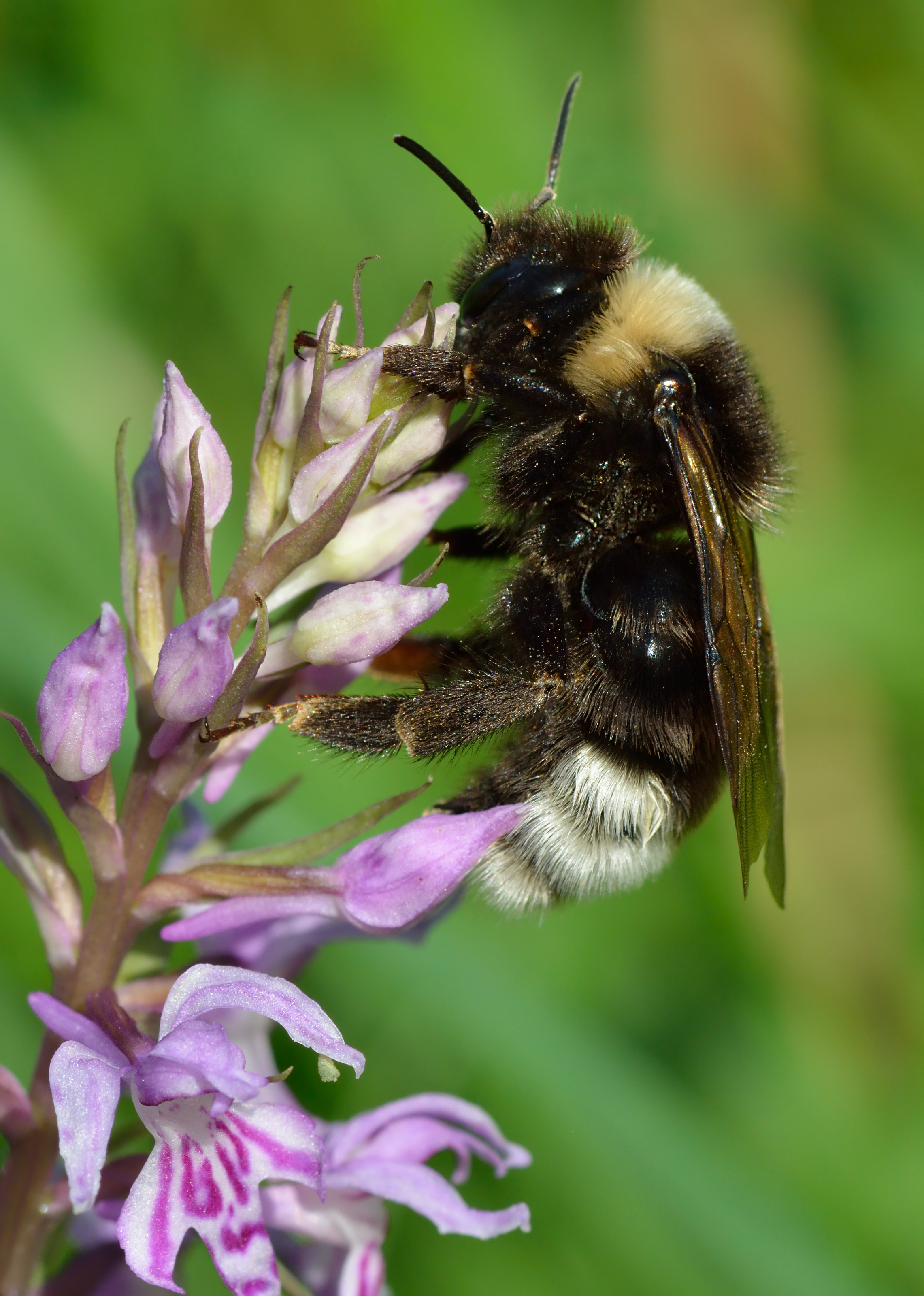
A cuckoo bumblebee with no workers of its own. The female invades a host nest, kills the queen, and forces host workers to raise her young. Brutal, but brilliant.